
Report published in Magazine Canal Solar – Vol. 6, No. 6, October/2025
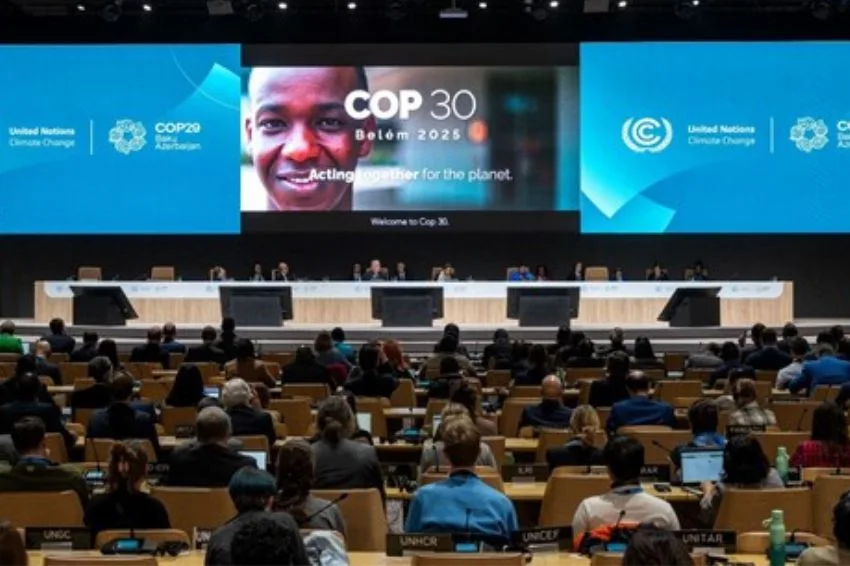
The eyes of the world are on Brazil this week as it hosts the 30th United Nations Climate Change Conference – COP30.
The main global meeting and forum for deliberation on the climate agenda began in Belém (PA) between November 10 and 21, more than three decades after Rio-92, the conference that laid the groundwork for the creation of the COPs.
In addition to being held in Brazil for the first time, the choice of the capital of Pará state has special symbolic significance. From the beginning of negotiations, the Federal Government advocated for holding the conference in the heart of the Amazon, one of the most strategic ecosystems for regulating the planet's climate and a key element in environmental preservation efforts.
After last year's edition in Baku, Azerbaijan, was criticized for lacking bolder goals to combat the climate crisis, the new conference carries even greater weight.
For Brazil, hosting the event becomes a unique opportunity to take a leading role in the climate agenda and demonstrate concrete progress in the transition to clean energy. At the same time, it carries the challenge of ensuring a high-standard infrastructure to accommodate thousands of participants.
But how exactly does a COP work? Who participates in it? And what are the benefits for Brazil in hosting an event of this magnitude? To answer these and other questions, the Canal Solar has prepared a complete guide about the conference.
What is a COP?
Far beyond a technical acronym, COP is the largest stage for global negotiations on the planet's climate future. Created within the framework of the UNFCCC (United Nations Framework Convention on Climate Change), the conference brings together world leaders, scientists, non-governmental organizations, and representatives of civil society to discuss concrete actions to combat climate change.
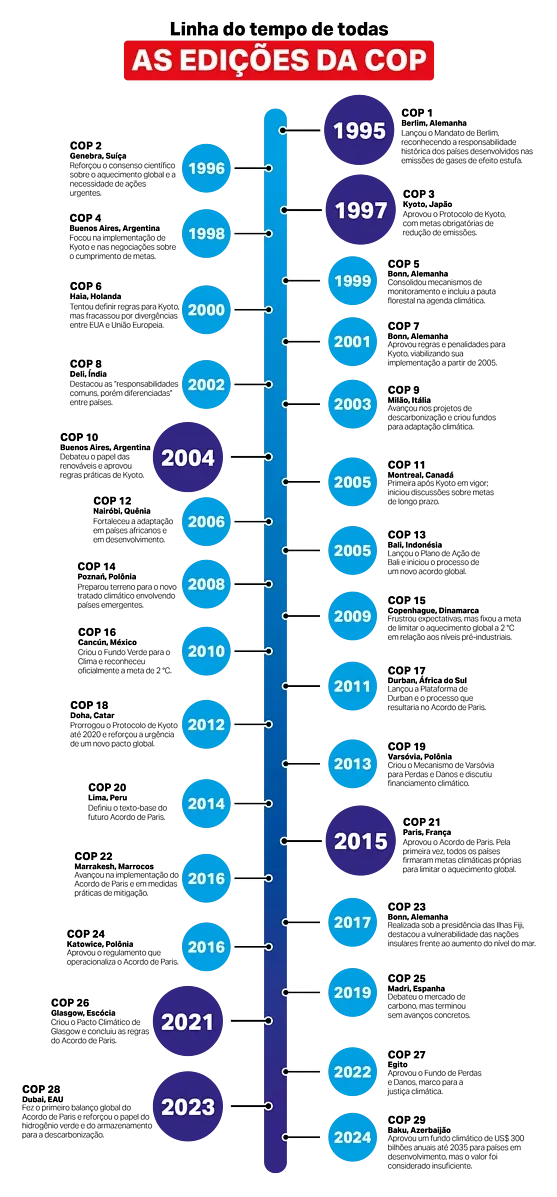
The first edition took place in 1995 in Berlin, Germany, and since then COP has been held annually, with the exception of 2020, when it was canceled due to the Covid-19 pandemic.
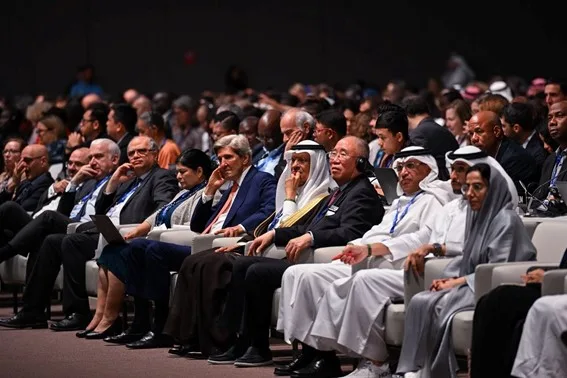
At each meeting, negotiations seek to align global interests around tangible objectives, such as reducing greenhouse gas emissions, financing climate projects, and transitioning to a low-carbon economy.
All resolutions approved require consensus among the 198 signatory countries of the UNFCCC, which makes discussions challenging but ensures legitimacy and global adherence to the established goals.
Throughout history, some editions have been groundbreaking. In 1997, in Japan, the Kyoto Protocol was signed, the first major international agreement to reduce emissions.
In 2015, the Paris Agreement was born, committing countries to limiting the increase in the average global temperature to well below 2°C — with additional efforts to reach 1,5°C. More recently, in Dubai, during COP 28, countries agreed to begin the transition to abandoning fossil fuels, albeit without defined deadlines.
Who can go to COP?
In addition to bringing together representatives from governments, the private sector, and international organizations, the meeting is also open to civil society. The event is divided into three main areas:
- Blue Zone: The official UN area where negotiations between countries and high-level meetings take place.
- Green Zone: An open space for the public, with events, exhibitions and debates promoted by non-governmental organizations, companies and academics.
- Side EventsForums, technical meetings, and panels promoted by various institutions and interest groups.
The expectation is to receive between 50,000 and 60,000 people, including 7,000 members of the so-called "COP family," made up of official delegations and UN teams. The COP 30 discussions will also be broadcast live on digital platforms, partner television channels, and the event's official media.
How do negotiations work?
Negotiations within a COP serve to align global interests around concrete objectives, such as targets for reducing greenhouse gas emissions, climate finance mechanisms, the transition to a low-carbon economy, and other global agreements.
The COP presidency prioritizes themes, defines objectives, and shapes discussions. This year, it will be held by diplomat André Corrêa do Lago, with executive direction by Ana Toni, National Secretary for Climate Change.
The event will last two weeks, with the first week reserved for more technical discussions and the second week for political meetings and the signing of agreements.
What is the program for COP 30?
Almost all of the events will take place in Belém City Park, a 500 m² area that has been transformed into a large park to host the COP 30 event.
After the conference concludes, the space will remain as a legacy for the city. The Federal Government estimates investing approximately R$ 5 billion in preparations, considering the Union's budget, resources from BNDES (Brazilian Development Bank), and other partners.
Complementary projects include Porto Futuro II, which will become a cultural and gastronomic hub, as well as the expansion of the hotel network and even the adaptation of cruise ships as floating hotels to meet the demand for beds.
What are the main challenges of COP 30?
In general, COP30 will have to deal with complex issues involving aligning the commitments of developed and developing countries regarding climate finance; ensuring that emissions reduction targets are compatible with science; and addressing the socioeconomic impacts of climate change on vulnerable populations.
As host, Brazil has already indicated that it intends to review the NDC's (Nationally Determined Contributions), to raise the emissions reduction target to up to 67% by 2035. In addition, the Federal Government structured the conference around six main themes.
They are: just and inclusive energy transition; protection of tropical forests and biodiversity; climate finance and loss and damage; adaptation to climate change and resilience; climate justice and social inclusion; and innovation and bioeconomy in the Amazon.
all the content of Canal Solar is protected by copyright law, and partial or total reproduction of this site in any medium is expressly prohibited. If you are interested in collaborating or reusing part of our material, please contact us by email: redacao@canalsolar.com.br.
Comments
Comments are moderated before publication.Comments should be respectful and contribute to a healthy debate. Offensive comments may be removed. The opinions expressed here are those of the authors and do not necessarily reflect the views of the author. Canal Solar.