• Friday, April 3, 2026
Facebook X-twitter Instagram Youtube LinkedIn Spotify
  • GC Solar: 22,32 GW
  • GD Solar: 45,76 GW
  • advertise here
  • About us
  • Expedient
logo site solar channel
  • News
    • Market & Investments
    • International market
    • Politics & Regulation
    • Projects & Applications
    • Renewable
    • Sustainability & ESG
    • Technology & Innovation
    • Electric Vehicles
  • Articles
    • Opinion Article
    • Manufacturer's Article
    • Technical Article
  • Latam
  • Batteries
  • Blog
  • Solar Energy Companies
    • Integrators
  • Magazine
    • Magazine Canal Solar
    • Conecta Magazine
  • Consultancy
  • Courses
  • News
    • Market & Investments
    • International market
    • Politics & Regulation
    • Projects & Applications
    • Renewable
    • Sustainability & ESG
    • Technology & Innovation
    • Electric Vehicles
  • Articles
    • Opinion Article
    • Manufacturer's Article
    • Technical Article
  • Latam
  • Batteries
  • Blog
  • Solar Energy Companies
    • Integrators
  • Magazine
    • Magazine Canal Solar
    • Conecta Magazine
  • Consultancy
  • Courses
  • News
    • Market & Investments
    • International market
    • Politics & Regulation
    • Projects & Applications
    • Renewable
    • Sustainability & ESG
    • Technology & Innovation
    • Electric vehicles
  • Articles
    • Opinion
    • technicians
    • Manufacturer Items
  • Latam
  • Blog
  • Solar Energy Companies
  • Integrators
  • Magazine
    • Conecta Magazine
  • About Us
  • Advertise Here
  • CS Consulting
  • Courses
  • International market
  • News
    • Market & Investments
    • International market
    • Politics & Regulation
    • Projects & Applications
    • Renewable
    • Sustainability & ESG
    • Technology & Innovation
    • Electric vehicles
  • Articles
    • Opinion
    • technicians
    • Manufacturer Items
  • Latam
  • Blog
  • Solar Energy Companies
  • Integrators
  • Magazine
    • Conecta Magazine
  • About Us
  • Advertise Here
  • CS Consulting
  • Courses
  • International market
logo site solar channel
Home / News / Technology & Innovation / Dyness launches BESS all-in-one in the Brazilian market.

Dyness launches BESS all-in-one in the Brazilian market.

The solutions are backed by Dyness' extensive experience in commercial and industrial (C&I) projects in mature international markets.
Follow on Whatsapp
  • Photo by Raphael Guerra Raphael Guerra
  • March 19, 2026, at 14:37 AM
3 min 23 sec read
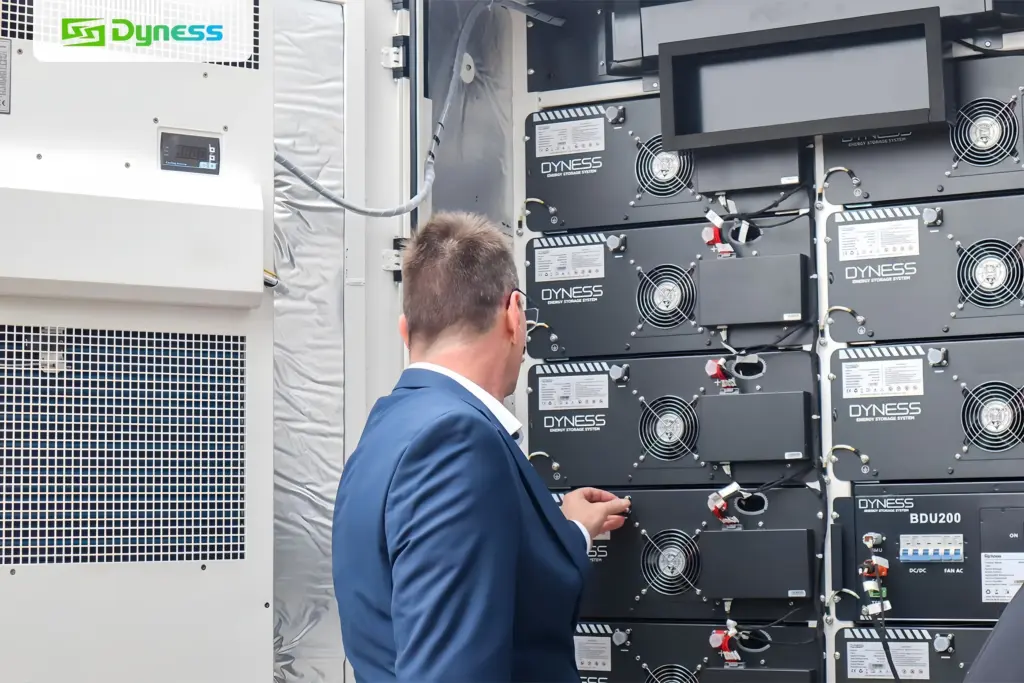
Dyness launches BESS all-in-one cabinets in the Brazilian market.
Photo: Dyness/Disclosure

European experience, generating local value.

As Brazil's commercial and industrial energy market continues to evolve, Battery Energy Storage Systems (BESS) emerge as a strategic solution to increase energy efficiency, resilience, and cost optimization.
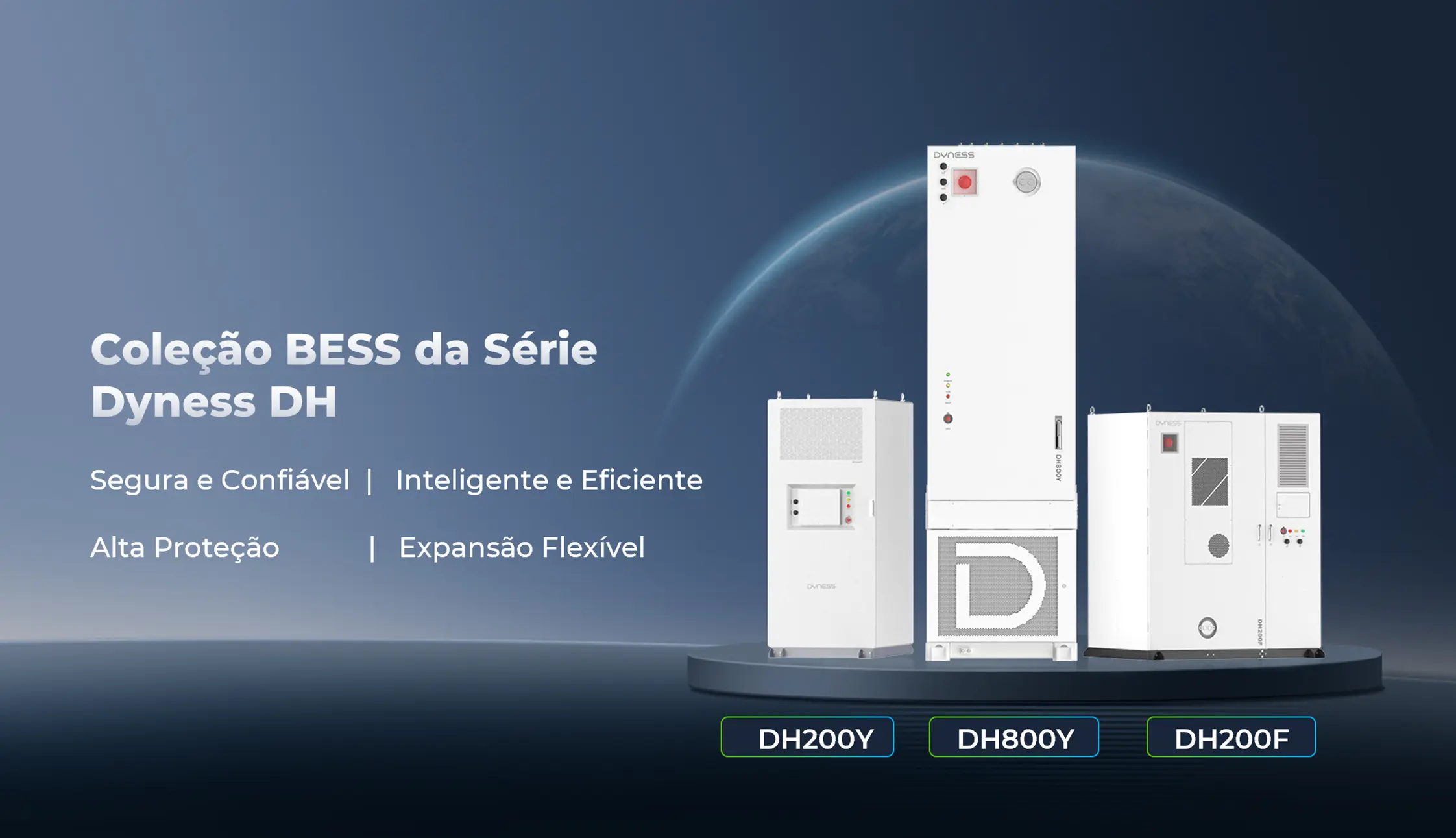
Dyness has officially announced the arrival of its all-in-one battery energy storage systems for the C&I segment to the Brazilian market, marking a new phase of the company's expansion in Latin America. The launch includes three integrated solutions in main cabinets:

  • DH200Y – BESS Integrated Liquid Cooling (232 kWh battery + integrated PCS)
    • Connected to the grid: up to 10 cabinets, reaching 2,3 MWh.
  • DH800Y – High Capacity BESS Liquid Cooling (420 kW / 836 kWh per unit)
    • Connected to the grid: scalable up to 10 cabinets, totaling up to 4,2 MW / 16 MWh.
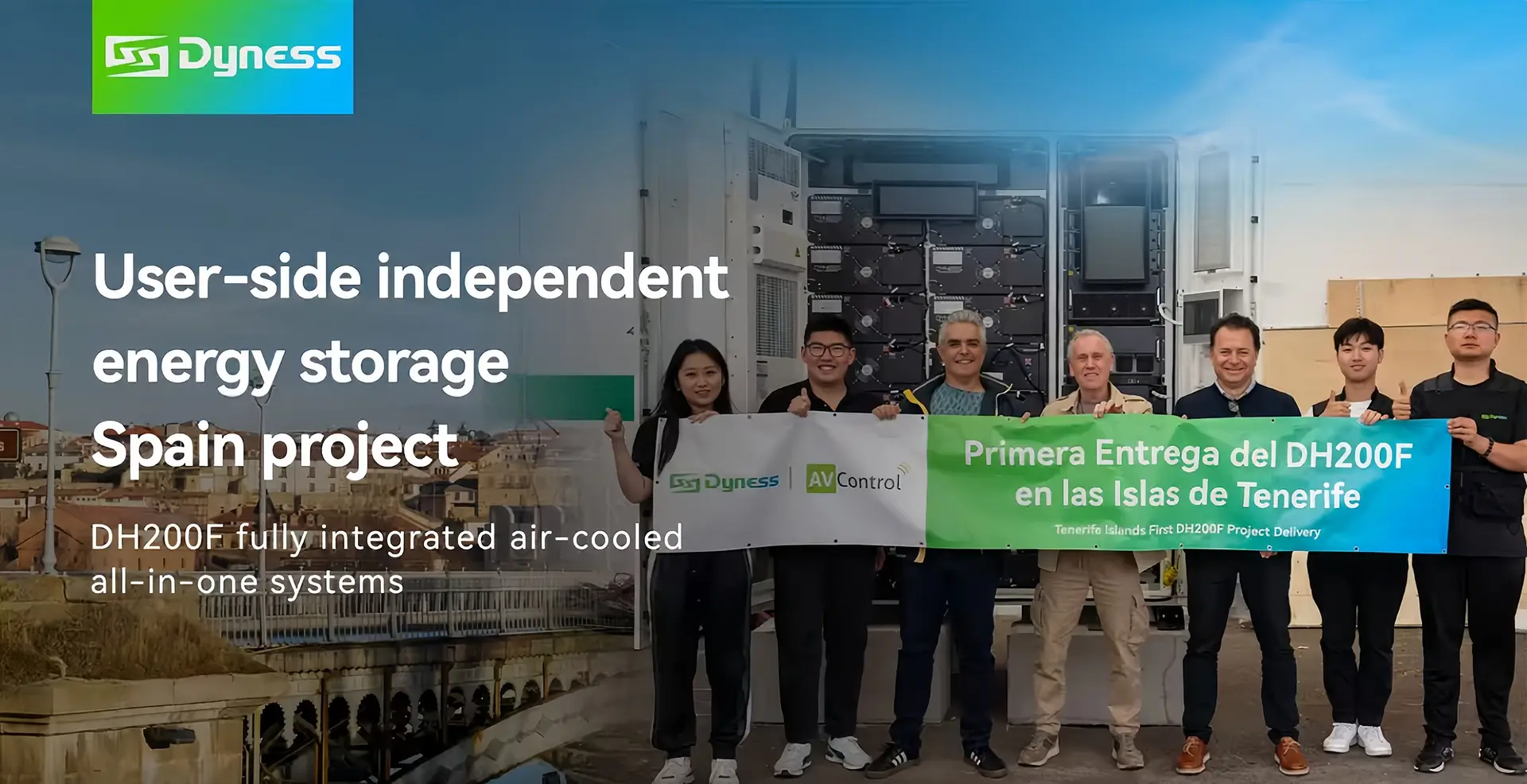
  • DH200F – BESS Integrated Air Cooling (215 kWh battery + PCS + MPPT + STS integrated design)
    • Connected to the grid: up to 12 cabinets, reaching 1,2 MW / 2,5 MWh
    • Off-grid: up to 5 cabinets, delivering 500 kW / 1 MWh

Designed for scalable commercial and industrial installations, the systems support functions such as peak shaving, time shifting, and backup power supply, aligning directly with the demand-based billing structure and time-of-use tariffs practiced in Brazil.

Why do BESS (Basic Essential Systems) make sense for Brazil?

In Europe, BESS systems have grown rapidly due to increased grid volatility, fluctuations in energy prices, and growing demand for energy autonomy. Key application scenarios include:

  • Peak ShavingReducing charges based on demand and optimizing contracted power.
  • Time ShiftingStore energy during periods of low tariffs and release it during peak hours.
  • Backup PowerTo ensure operational continuity during network instabilities or interruptions.
  • Own ConsumptionMaximize the use of local solar energy and reduce dependence on the electricity grid.

These same needs have become increasingly relevant in Brazil. With rising electricity costs, tariff complexity, and the need for greater reliability in supply for commercial and industrial operations, Brazilian companies face challenges very similar to those seen in Europe in recent years.

Lessons from recent events

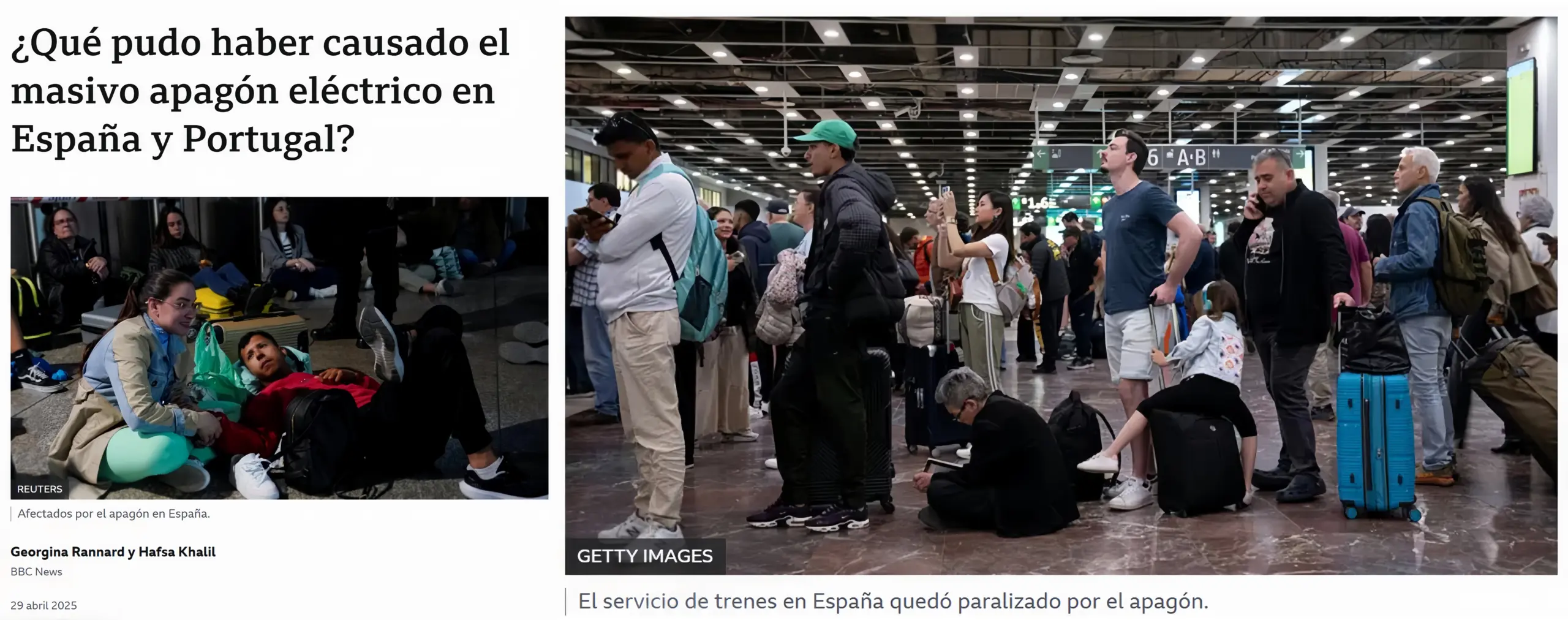
In recent years, several European countries have experienced stress on their electricity grids. For example, Spain faced a nationwide blackout last year, highlighting the vulnerability of centralized systems and accelerating investments in decentralized energy storage solutions.
The bidding for the second LRCAP product was finalized after approximately 25 minutes of competition. The tender covers the contracting of existing natural gas and coal-fired thermal power plants. The closing price reached R$ 2.249.995,00/MW.year, indicating a discount of only R$ 5/MW compared to the established ceiling price. For this product, the contracts have a duration of 10 years, with supply scheduled to begin on August 1, 2027.

More recently, Germany has experienced partial blackouts. In early January 2026, criminal attacks on high-voltage cables in southwest Berlin caused power outages for five days, affecting approximately 45.000–50.000 homes and 2.200 businesses, one of the longest blackout periods in the city since World War II.

These events reinforce the idea that BESS (Business Support Systems) are no longer just a tool for integrating renewable energies: they are also instruments for financial optimization and risk management. The Brazilian BESS market is entering a phase where intelligent energy management will be a decisive factor for competitiveness.
More recently, Germany has experienced partial blackouts. In early January 2026, criminal attacks on high-voltage cables in southwest Berlin caused power outages for five days, affecting approximately 45.000–50.000 homes and 2.200 businesses, one of the longest blackout periods in the city since World War II. These events reinforce that BESS (Business Support Systems) are no longer just a tool for integrating renewable energies: they are also instruments for financial optimization and risk management. The Brazilian BESS market is entering a phase where intelligent energy management will be a decisive factor for competitiveness.

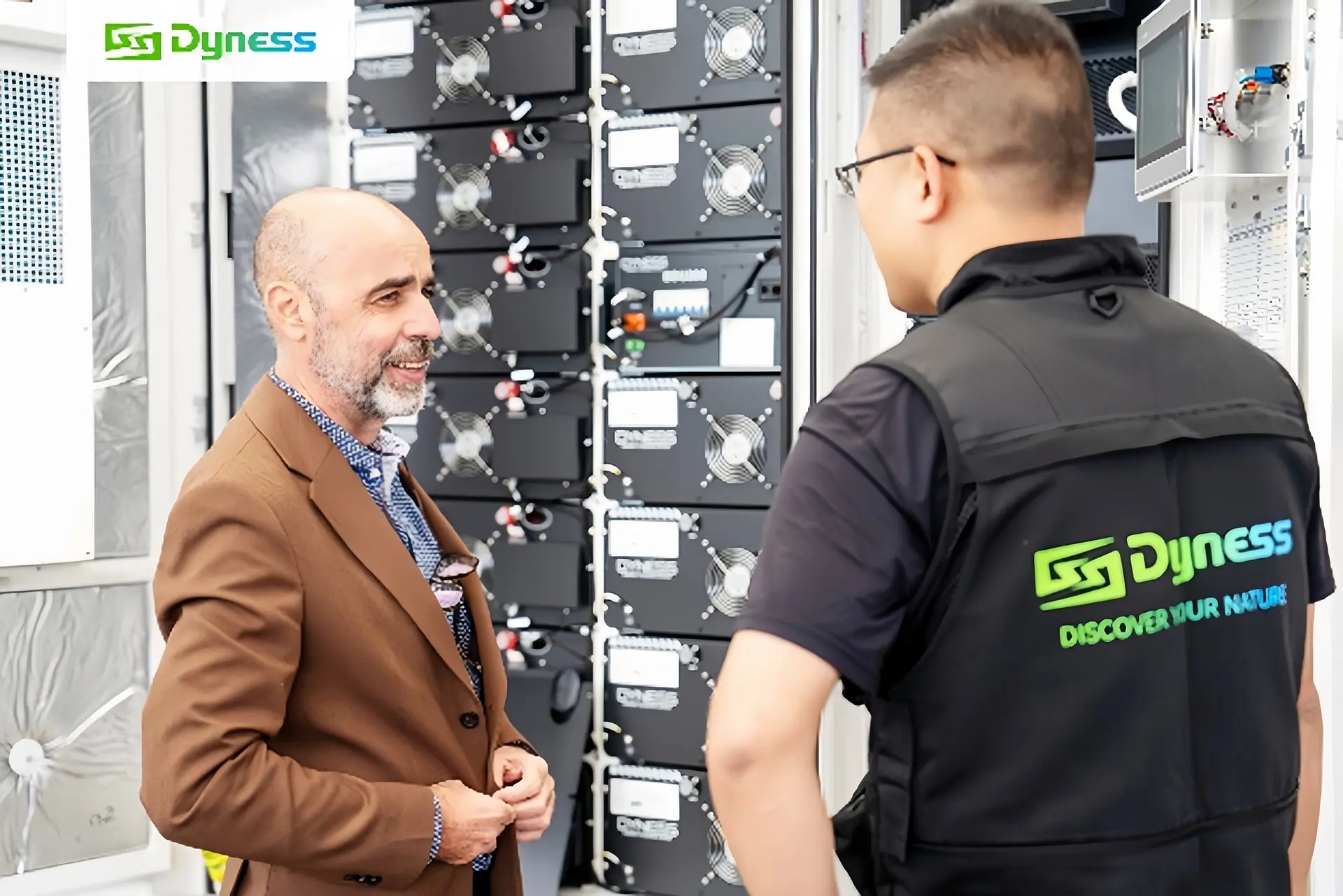
Dyness has already supported the implementation of BESS in several European markets, including the Netherlands, Spain, Germany, and Poland, where tariff volatility and network pressure have driven the rapid adoption of these solutions.
Global experience, local opportunity

Cindy Wu, Marketing Director for Dyness in Latin America, states: “European experience demonstrates that when electricity becomes volatile, storage becomes strategic. Brazil is entering a similar stage, not due to a crisis, but due to its tariff structure and industrial competitiveness. Our goal is to bring Dyness' proven global experience in BESS to Brazil, adapting it to local energy realities and supporting the next phase of industrial energy optimization.”

all the content of Canal Solar is protected by copyright law, and partial or total reproduction of this site in any medium is expressly prohibited. If you are interested in collaborating or reusing part of our material, please contact us by email: redacao@canalsolar.com.br.
Batteries BESS (Battery Energy Storage System) Dyness renewable energy energy market
Photo by Raphael Guerra
Raphael Guerra
Journalist graduated from PUC Campinas. Worked at Futpress, TV Século 21 and ENM. Has experience in podcasting, television, radio, news and press relations.
PreviousPrevious
NextNext

Leave a comment Cancel reply

Your email address will not be published. Required fields are marked with *

Comments should be respectful and contribute to a healthy debate. Offensive comments may be removed. The opinions expressed here are those of the authors and do not necessarily reflect the views of the author. Canal Solar.

News from Canal Solar in your Email

Posts

Canal Solar - Advances in AI could transform Brazil into a global data center hub, study indicates.

Advances in AI could transform Brazil into a global data center hub.

Rockcore announces local inventory of microinverters in Brazil.

Rockcore announces local inventory of microinverters in Brazil.

More news

Read More
Canal Solar - Advances in AI could transform Brazil into a global data center hub, study indicates.

Advances in AI could transform Brazil into a global data center hub.

Canal Solar - Easter beyond chocolate: see how major companies in the sector are investing in renewables.

How are Cacau Show, Nestlé, and other chocolate giants investing in renewables?

To BESS or not to BESS?

To BESS or not to BESS?

It is a news and information channel about the photovoltaic solar energy sector. Channel content is protected by copyright law. Partial or total reproduction of this website in any medium is prohibited.

Facebook X-twitter Instagram Youtube LinkedIn Spotify

Site Map

Categories

  • News
  • Articles
  • Interviews
  • Consumer Guide
  • Authors
  • Videos
  • Projects
  • Magazine
  • Electric Vehicles

Channels

  • About Us
  • Contact
  • Privacy
  • Quality Policy
  • Work with us
  • Expedient
  • advertise here

Membership and certifications

Copyright © 2026 Canal Solar, all rights reserved. CNPJ: 29.768.006/0001-95 Address: José Maurício Building – Mackenzie Avenue, 1835 – Floor 3, – Vila Brandina, Campinas – SP, 13092-523
Receive the latest news

Subscribe to our weekly newsletter

Fill in the information above and receive your free copy of Canal Solar magazine.