
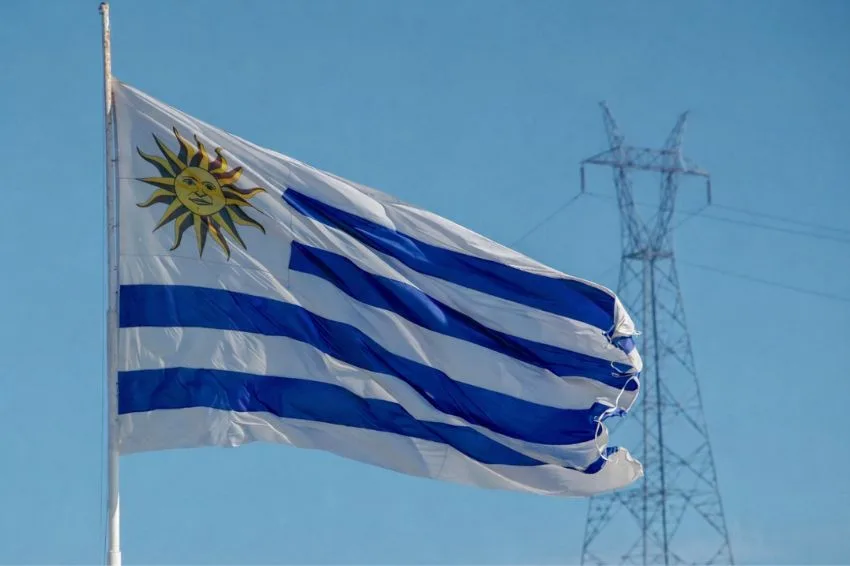
Uruguay has one of the cleanest and most renewable electricity systems in the world. In recent decades, the country has undergone a profound transformation in its energy matrix, drastically reducing its dependence on fossil fuels and expanding the share of renewable sources.
Currently, most of the electricity generated in the country comes from hydroelectric plants, wind farms, solar power plants, and biomass, which places Uruguay among the global leaders in renewable energy generation.
In addition to reducing carbon emissions, this diversification contributes to greater energy security and less exposure to the volatility of international fuel prices.
Relevance of hydroelectric power plants
Historically, hydroelectric power generation has been the basis of the Uruguayan electricity system. The country has large binational and national power plants installed on strategic rivers.
The main ones include:
- Salto Grande, a binational hydroelectric plant shared with Argentina;
- Bonete's Corner;
- Baygorria;
- Palmar.
Despite the strong expansion of other renewable sources, hydroelectric power plants still play a significant role in system stability and in managing electricity operations.
Accelerated expansion of wind energy
Wind energy has become one of the pillars of Uruguay's electricity matrix. Starting in the 2010s, the country held several auctions and renewable energy contracting programs that boosted the construction of wind farms in various regions.
Today, wind power generation represents a significant portion of the electricity produced in the country, contributing to lower costs and decreasing the need for thermal power generation. The complementarity between wind, water, and sun helps maintain the balance of the electrical system throughout the year.
Solar and biomass are growing.
In recent years, Uruguay has also expanded its use of other renewable sources, such as solar photovoltaic and biomass.
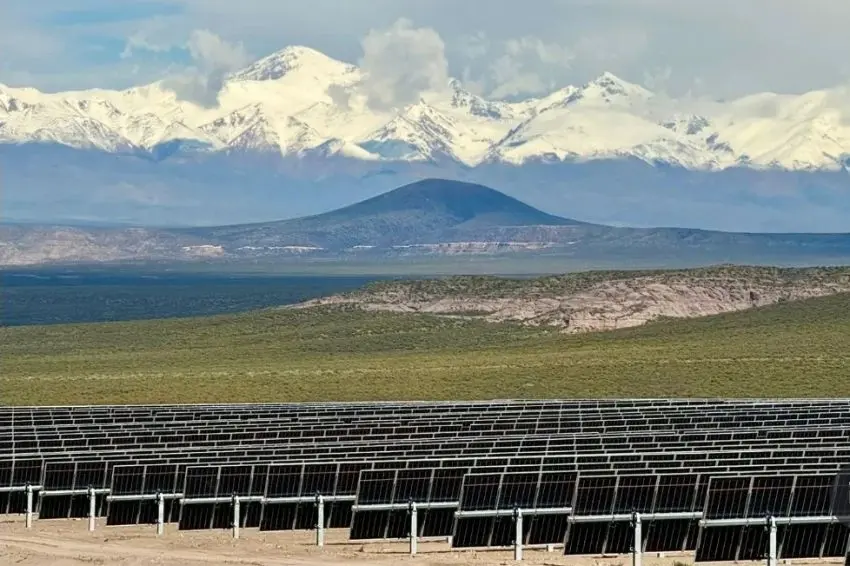
Solar power generation has grown with the installation of solar parks and distributed systems, while biomass utilizes waste from the forestry and agricultural industries, important sectors of the Uruguayan economy.
This diversification strengthens the resilience of the electrical system in the face of climatic or hydrological variations.
Institutional structure
The Uruguayan electricity sector has a strong state presence, although it also includes private participation in renewable energy generation projects.
The main company in the system is... UTE (National Administration of Electric Power Plants and Transmissions), a state-owned company responsible for a large part of the generation, as well as operating in the transmission and distribution of energy.
The power plant also plays a central role in the planning of the electrical system and in the integration of different generation sources.
Market and system operation
The operation of the Uruguayan electrical system takes place within a regulated environment, with centralized coordination to ensure a balance between supply and demand.
The administration of the electricity market is carried out by ADME (Administration of the Electric Market), responsible for:
- Technical operation of the interconnected system;
- Generation coordination;
- Energy transaction management.
ADME also works on electrical integration with neighboring countries, enabling energy exchange with Argentina and Brazil.
Transmission and distribution
The high-voltage transmission infrastructure connects the different regions of the country and integrates the various sources of renewable generation into the national electricity system.
A large part of the power transmission and distribution network is operated by UTE itself, guaranteeing virtually universal coverage of the electricity service throughout Uruguayan territory.
Who regulates the electricity sector?
The country's energy policy is defined by the MIEM (Ministry of Industry, Energy and Mining), which is responsible for planning the development of the sector.
Regulation and oversight are the responsibility of URSEA (Energy and Water Services Regulatory Unit), the body that establishes technical standards, monitors tariffs, and supervises the provision of services.
Tariffs and pricing
Electricity rates in Uruguay reflect the costs of generation, transmission, and distribution, defined within a regulated system.
Despite the high share of renewables, factors such as infrastructure investments and operating costs influence the prices paid by consumers.
The country also engages in energy exchange with neighboring nations, which can impact price dynamics at certain times.
Challenges
Even with a highly renewable energy matrix, Uruguay's electricity sector faces significant challenges, including:
- Variability of wind and hydroelectric power sources;
- Need for expansion of transmission networks;
- Increasing integration of distributed generation;
- Maintaining tariff competitiveness.
Nevertheless, the country is frequently cited as one of the most successful examples of energy transition in the world. Latin Americathanks to long-term planning and the combination of public policies and private investments.
all the content of Canal Solar is protected by copyright law, and partial or total reproduction of this site in any medium is expressly prohibited. If you are interested in collaborating or reusing part of our material, please contact us by email: redacao@canalsolar.com.br.




Comments
Comments are moderated before publication.Comments should be respectful and contribute to a healthy debate. Offensive comments may be removed. The opinions expressed here are those of the authors and do not necessarily reflect the views of the author. Canal Solar.