
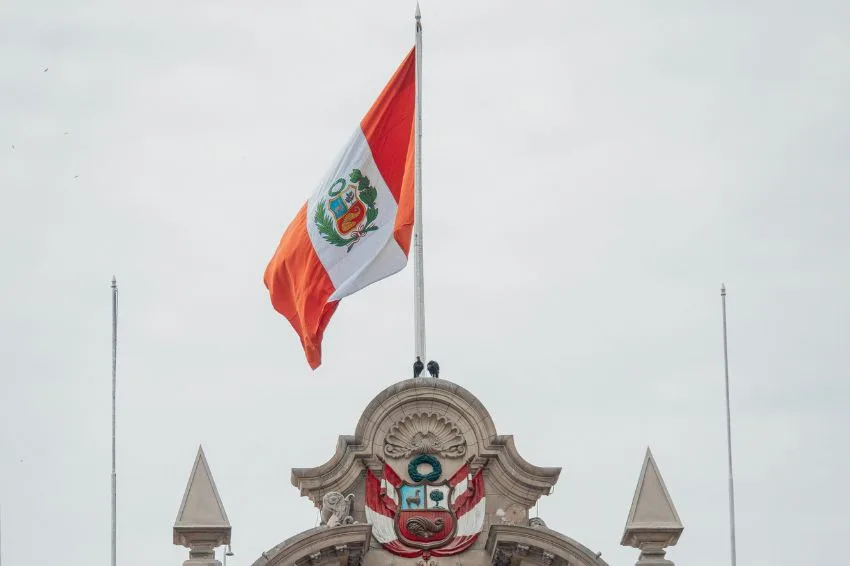
Peru has an electricity system structured around a mixed model, with strong private sector participation in power generation and state regulatory oversight. In recent decades, the country has expanded its generation capacity and diversified its energy matrix, combining thermal power plants and renewable sources, especially hydroelectric power.
The expansion of electrical infrastructure accompanies economic growth and energy demand, with policies focused on energy security and sustainable development. A large portion of the electricity is supplied by the SEIN (National Interconnected Electrical System), which integrates the main energy-producing and consuming regions of the country.
Predominance of hydroelectric power plants
Historically, hydroelectric power has been the basis of the Peruvian electrical system. The country has a high water potential due to the presence of the Andes Mountains and the large number of rivers that run through its territory. Among the main hydroelectric power plants are:
- Mantaro, in Huancavelica, central region;
- Cerro del Águila, in the province of Tayacaja, central region;
- Chaglla, in Huánuco, central region.
These power plants provide a significant portion of the electricity consumed in the country and help maintain the stability of the system. Furthermore, hydroelectric generation contributes to reducing carbon emissions and decreasing dependence on fossil fuels.
Natural gas in thermal power generation
In addition to hydroelectric power, Peru also has a significant thermal power park, mainly fueled by natural gas. The exploration of the Camisea gas field, located in the province of La Convención, Cusco region, which began in the early 2000s, has allowed for a significant expansion of the country's thermal capacity.
The main generating complex that uses this gas is the Kallpa Thermoelectric Complex in Lima, although some units may operate on diesel or fuel oil as a supplementary source. These plants play a strategic role in complementing hydroelectric generation, especially during periods of drought.
Just as in Brazil, these power plants play a strategic role in complementing hydroelectric generation, especially during periods of drought and, consequently, lower reservoir availability.
Expansion of renewables
In recent years, Peru has increased the share of renewable sources in its electricity mix, including:
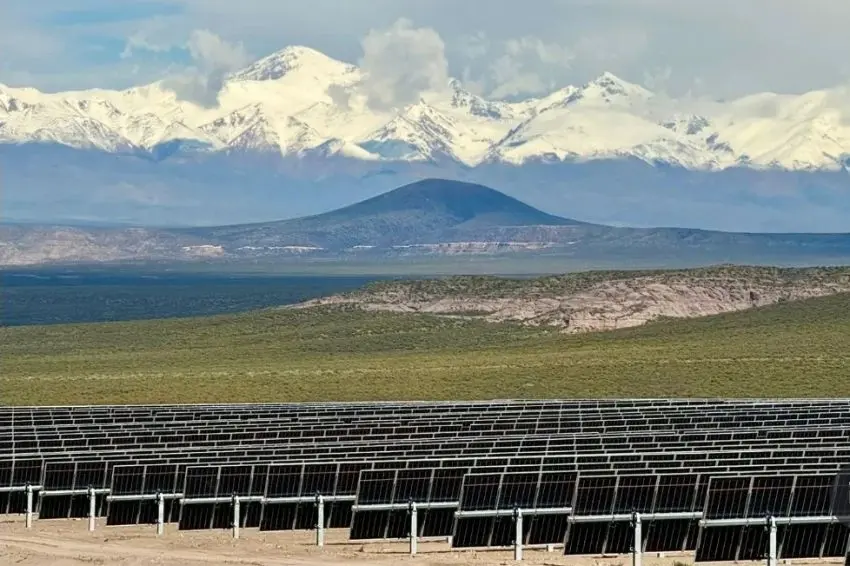
- Solar photovoltaic energy;
- Wind energy;
- Small hydroelectric power plants;
- Biomass.
Solar and wind power projects have been developed mainly in coastal regions and in the south of the country, taking advantage of intense solar radiation and constant winds. Small hydroelectric plants and biomass supplement generation in rural areas. Currently, Peru's energy mix is approximately:
- Hydropower: approximately 55-60%. According to MINEM (Ministry of Energy and Mines of Peru), hydropower remains the main source of electricity generation in the country.
- Thermal (natural gas): approximately 30-35%. Thermal power plants complement hydroelectric generation, especially during periods of drought.
- Renewables: approximately 8-13% from solar, wind, small hydroelectric plants, and biomass generation, which is gradually growing as part of the diversification of the electricity matrix.
- Other fossil fuels (diesel, coal, oil): less than 1%. These sources have a minimal share in electricity generation.
This diversification aims to make the electricity system more resilient and sustainable, reducing dependence on fossil fuels and increasing the country's energy security.
Auctions and regulation moving forward
The growth of renewable energy in Peru has been driven by public policies and specific contracting mechanisms. The government promotes renewable energy auctions, known as RER (Renewable Energy Resources) auctions, which allow for the contracting of long-term generation projects.
These processes have been important in stimulating investments in solar and wind energy in the country. The main regulatory framework guiding this progress is Legislative Decree No. 1002 of 2008, which promotes the generation of electricity from Renewable Energy Resources and establishes incentives such as priority dispatch and grid access, as well as the legal basis for RER auctions.
The regulation of this decree by Supreme Decree No. 050-2008-EM It details the mechanisms for contracting renewable energy projects. Furthermore, amendments to Law No. 28.832 broadened the legal framework to allow for competitive auctions among all generation technologies, consolidating a more open regulatory environment for clean energy.
Institutional structure
The Peruvian electricity sector has several institutions responsible for market planning, operation, and regulation. The main ones are:
- MINEM (Ministry of Energy and Mines): responsible for formulating energy policy and strategic planning for the sector.
- OSINERGMIN (Organismo Supervisor de la Inversión en Energía y Minería): regulator that supervises the functioning of the electricity market, establishes technical standards and regulates tariffs.
- COES (Comité de Operación Económica del Sistema Interconectado Nacional): responsible for the technical operation of the interconnected electrical system and for coordinating power generation.
Transmission and distribution
The high-voltage transmission network connects the main power plants to consumption centers, while regional utilities are responsible for distributing energy to end users.
In recent years, Peru has invested significantly in expanding its electrical infrastructure to improve transmission capacity, service quality, and access to energy in rural and isolated regions.
According to MINEM, the country has been implementing plans to expand the electricity grid since at least 2023, through the 2023-2032 Transmission Plan and its continuation in the 2025-2034 Plan, focusing on strengthening the National Interconnected System (SEIN) and ensuring reliability of supply.
Also according to MINEMIn 2025, a package of 16 transmission projects was launched with a total estimated value of US$896 million, which will benefit approximately 8 million inhabitants in 13 regions of Peru.
Additional investments in expanding the national electricity system will reach US$159 million in 2025, for the construction of new lines and modernization of substations, including more than 420 km of high-voltage transmission lines, according to information from the specialized press. Switchgear Magazine.
Finally, according to IDB InvestA $76,1 million loan is funding approximately 250 km of transmission lines in regions such as Arequipa, Piura, and San Martín, with the goal of bringing electricity to remote communities.
Tariffs and market operation
The Peruvian electricity market operates under a regulated model with private participation. Electricity tariffs are set based on generation, transmission, and distribution costs, under the supervision of the regulatory body.
Large consumers, such as industries and large companies, can enter into contracts directly with power generators, while residential and commercial consumers pay regulated rates.
Challenges
Despite significant progress, Peru's electricity sector still faces structural challenges identified by national institutions and international organizations specializing in energy.
Expansion of transmission networks
According to a technical studies According to COES, the operator of SEIN, the expansion of transmission infrastructure is necessary to keep up with the growth in demand and the entry of new generating plants.
System diagnostics indicate the possibility of congestion in certain power corridors and the need to reinforce lines and substations to ensure a balance between generation and consumption in Peruvian territory.
Greater integration of renewable energies
Second reviews According to the IFC (International Finance Corporation), an institution of the World Bank Group, the expansion of variable renewable sources, such as solar and wind, requires additional investments in electrical infrastructure, greater operational flexibility of the system, and solutions such as energy storage.
These elements are considered fundamental to enabling interconnected electrical systems to integrate intermittent sources while maintaining stability and reliability in the electricity supply.
Expanding access to electricity in remote areas.
The challenge of universal access to electricity also remains in the country. According to MINEM, there are still gaps in service in rural and isolated regions, especially in the Peruvian Amazon.
Programs Government-led rural electrification projects seek to expand access to energy in these areas through grid expansion and the adoption of decentralized solutions, such as microgrids and distributed generation systems.
all the content of Canal Solar is protected by copyright law, and partial or total reproduction of this site in any medium is expressly prohibited. If you are interested in collaborating or reusing part of our material, please contact us by email: redacao@canalsolar.com.br.

Comments
Comments are moderated before publication.Comments should be respectful and contribute to a healthy debate. Offensive comments may be removed. The opinions expressed here are those of the authors and do not necessarily reflect the views of the author. Canal Solar.