
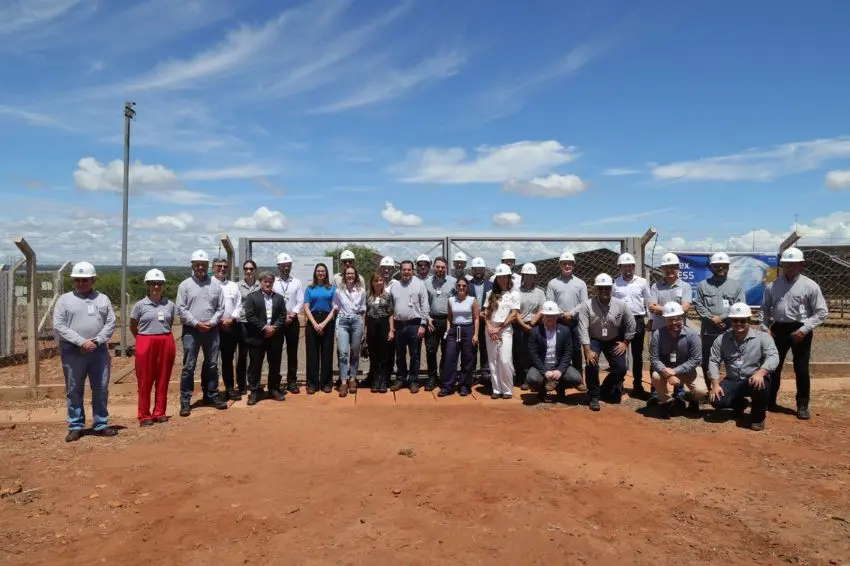
The Ilha Solteira Hydroelectric Power Plant, operated by CTG Brasil and located in the city of Ilha Solteira (SP), now has a laboratory dedicated to studying the use of batteries associated with solar power generation. The project, called Flex BESS, was developed by CTG Brasil in partnership with the SENAI Institute for Innovation in Information and Communication Technologies (ISI-TICs) of Pernambuco, Thymos Energia, and Wisebyte, and aims to test ways of applying the energy produced and stored, as well as operating models that can be adopted by the electricity sector.
“Energy storage projects are part of CTG Brasil's strategy, as they increase operational flexibility. Flex BESS, added to our portfolio of projects that includes regulatory studies for reversible power plants and the development of software to identify potential applications for these plants, represents a step in building solutions that guarantee greater stability and efficiency for the sector. This initiative allows us to develop projects that not only expand the integration of renewable sources, but also contribute to the development of new business models,” explains Fernanda Martins, Director of Business Development and Research & Development at CTG Brasil.
The project includes a photovoltaic plant with 1.248 modules, a generation capacity of 692 kWp, and the potential to supply the estimated consumption of more than 380 homes. Currently, the energy generated will be for the company's internal consumption. Alongside the plant, a 215 kWh Huawei BESS system was installed to evaluate the behavior of electrochemical storage in operations connected to the electrical grid.
“This is a pilot project in Brazil, within a hydroelectric plant, and it can be used as a national case study. Given the entire context of energy transition, the development of this project is highly relevant for SENAI Pernambuco, through the SENAI Innovation Institute. Through this, we are positioning ourselves on the topic of Smart Energy Systems and are working to have relevant structures and case studies so that we can contribute to the Brazilian National Energy System and the industrial sector, promoting cleaner energy in a smart and cheaper way for society,” points out the Director of Innovation and Technology at SENAI-PE, Oziel Alves.
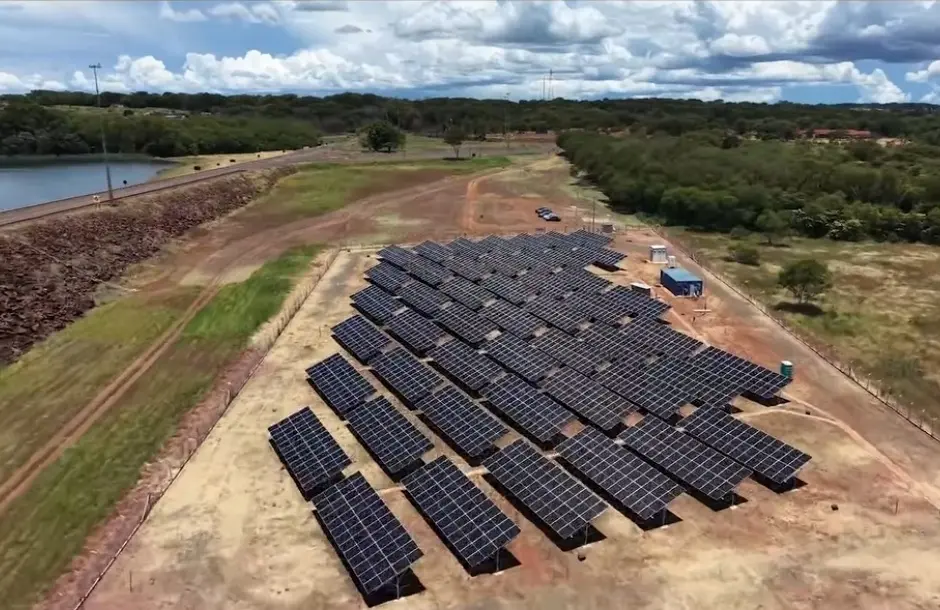
The structure allows for measuring, in continuous operation, how storage can support the grid during periods of generation variation and contribute to auxiliary and ancillary services. The project scope also includes computational studies and assessments on battery use in different operating scenarios, providing data for models to make the system more resilient and cost-effective.
“Projects like this are fundamental to accelerating the integration of energy storage systems into the Brazilian electricity sector. By testing battery solutions in a real-world environment, we can generate technical and economic evidence that supports new business models and the evolution of regulation, especially for the provision of ancillary services and increased system flexibility. We are excited to contribute our technical and regulatory expertise to this initiative, which will help develop the energy storage market,” says Fillipe Soares, Consulting Director at Thymos Energia.
HDT acts as a strategic partner in the implementation of the project, being responsible for the integration of Huawei's energy storage solutions in Brazil. With expertise in BESS systems, the company contributes directly to the technical and operational feasibility of the initiative.
“At Flex BESS, our role is to ensure the efficient and safe application of battery systems, as well as to generate relevant learnings that drive the large-scale adoption of these solutions in the country, expanding the flexibility and reliability of the electrical system,” says Guilherme Prym, commercial director of BESS at HDT.
The laboratory will be used for equipment testing, solution development, including regulatory aspects, and technical training of the teams involved. The system will be monitored to verify performance, costs, load and discharge cycles, and ways to integrate storage with hydroelectric, solar, and wind power plants. The initiative received an investment of R$ 15 million through resources from the Aneel Research and Development program, SENAI, and partners.
all the content of Canal Solar is protected by copyright law, and partial or total reproduction of this site in any medium is expressly prohibited. If you are interested in collaborating or reusing part of our material, please contact us by email: redacao@canalsolar.com.br.
Comments
Comments are moderated before publication.Comments should be respectful and contribute to a healthy debate. Offensive comments may be removed. The opinions expressed here are those of the authors and do not necessarily reflect the views of the author. Canal Solar.