
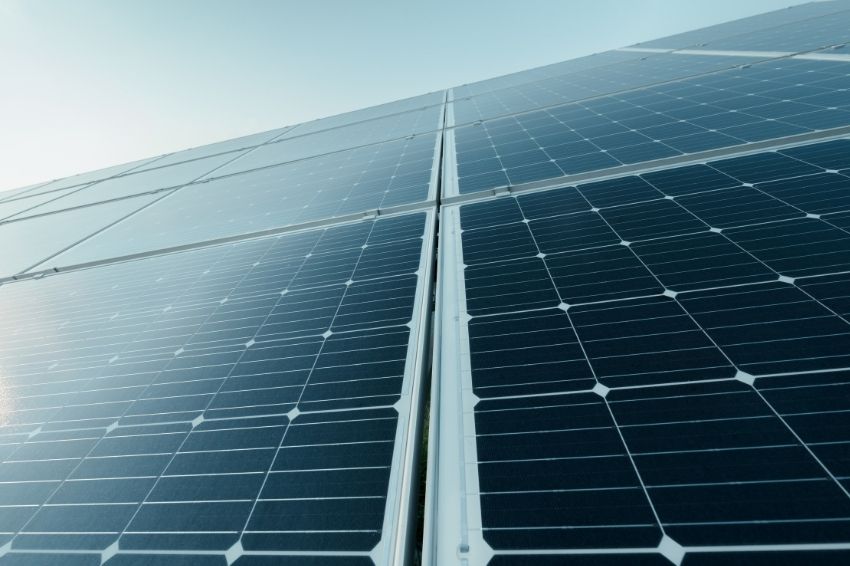
Photovoltaic solar panels are currently the main players in the generation of clean energy in Brazil, and solar energy accounts for... 22% of the country's entire electricity grid.
The trend is, in fact, towards expansion, since technology generates cost reductions, technological advancements, and is supported by the growing interest in sustainable solutions.
With the arrival of new technologies, such as TOPCon and PERC, there are promises of even more benefits, and therefore it is important to understand in depth how a solar panel works, what its differences are, prices, and selection criteria to invest safely.
Interested in joining the energy revolution? Discover how photovoltaic solar panels work and see how capturing solar radiation (and transforming it into electricity) can power everything from small homes to commercial systems!
What are photovoltaic solar panels?
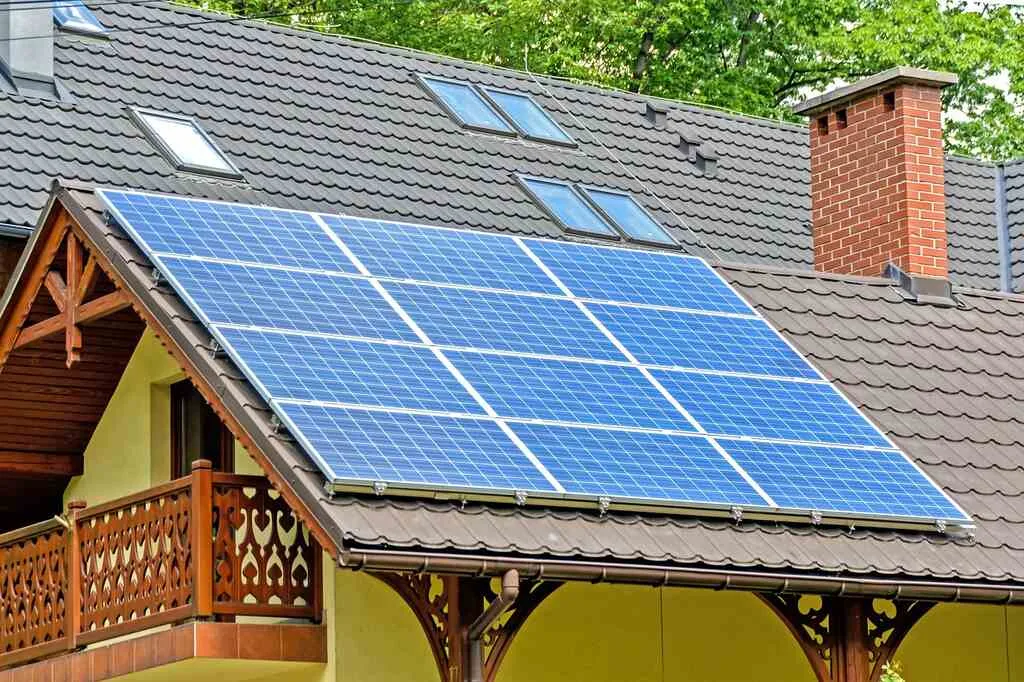
Photovoltaic solar panels (or modules Solar panels (or solar panels) are devices designed to convert sunlight into electrical energy through the photovoltaic effect, thanks to their composition of silicon cells, tempered glass, and a resistant frame to protect the entire system against weather such as dust, wind, and hail.
Through the photovoltaic effect, the panels generate solar panel energy Continuous and silent operation, with high durability. Overall, such a system can operate for more than 25 years when properly installed and maintained.
Therefore, they have become the basis of photovoltaic systems in the country, from residential applications to large solar power plants.
How do they work technically?
Photovoltaic solar panels work based on a phenomenon called photovoltaic effectThis is the process by which sunlight is transformed into electrical energy. Although it may seem complex, its functioning can be understood in three simple steps, as shown in the infographic below:
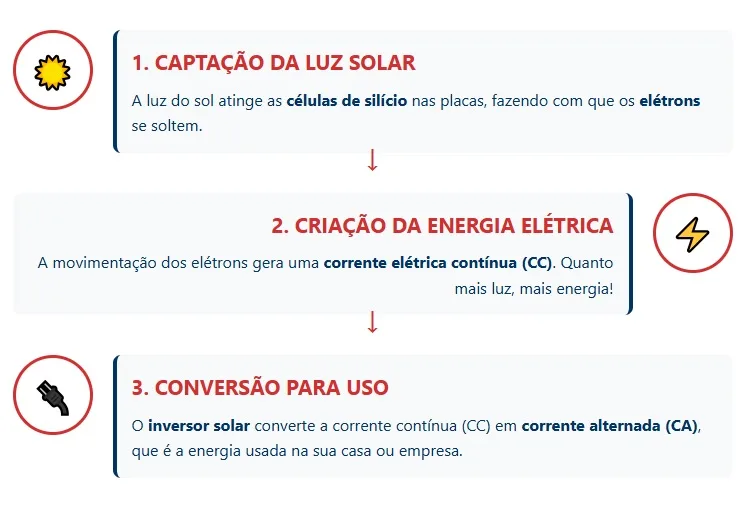
But of course, even though the operation seems simple, the process depends on factors such as light intensity, temperature, shading, and the efficiency of the technology used in the cells. Therefore, the quality of the photovoltaic panels directly influences the performance of the system as a whole.
What is the structure of a solar panel?
A photovoltaic solar panel is made up of several components that work together to transform sunlight into electrical energy. Although it may seem like a simple piece of equipment when viewed on a rooftop, its structure is highly technological and designed to withstand decades of use in outdoor environments.
The basis of everything is photovoltaic cells, responsible for converting solar radiation into electricity. These cells are made of silicon, the most widely used material on the market, and can be of two main types: monocrystalline and polycrystalline.
- As monocrystalline cells They have higher efficiency and are recognized by their uniform black color;
- As polycrystallineThese, which are usually bluish, have lower manufacturing costs and lower efficiency.
Since an isolated cell generates little energy, several of them are connected to each other, and form the solar panelThe more cells and the higher their efficiency, the greater the final power output of the panel. In addition to the cells, the structure of a solar panel includes:
- Tempered glass: front layer that protects the cells against impacts, strong winds and rain;
- EVA (vinyl acetate): plastic film that encapsulates and secures the cells;
- Backsheet: back layer that provides electrical insulation and protects against moisture;
- Aluminum frame: reinforces mechanical strength and facilitates roof attachment;
- Junction boxWhere are the diodes located? bypass, responsible for preventing cell overheating and reducing generation loss in shading conditions.
What are the main types of solar panels?
There are different types of solar panels, each with specific characteristics that influence their efficiency, cost, and application. Here are the main types.
Monocrystalline silicon solar panels
Monocrystalline silicon solar panels are produced from a single silicon crystal, which ensures good energy efficiency and performance per square meter. Visually, they have a darker color and a more uniform appearance.
Although the manufacturing process is complex, most factories operate almost exclusively with monocrystalline technology. This is because this type of panel delivers more power per unit and better logistical efficiency (more watts transported per container), which favors large-scale production.
As a result, monocrystalline modules have become the most readily available on the market and are widely used in residential, commercial, and industrial installations.
Currently, this technology is the standard in the photovoltaic industry, both for its efficiency and the wide range of models available.
Thin film solar panels
Thin film solar panels are made with a thin layer of photovoltaic material deposited on a surface such as glass, plastic or metal.
This type of panel is more flexible and lightweight, making it a good choice for applications that require lightweight materials or unconventional surfaces.
Although they are less efficient than silicon wafersThin-film panels tend to be less expensive and may perform better in low-light conditions, such as cloudy or shady days.
Polycrystalline silicon solar panels
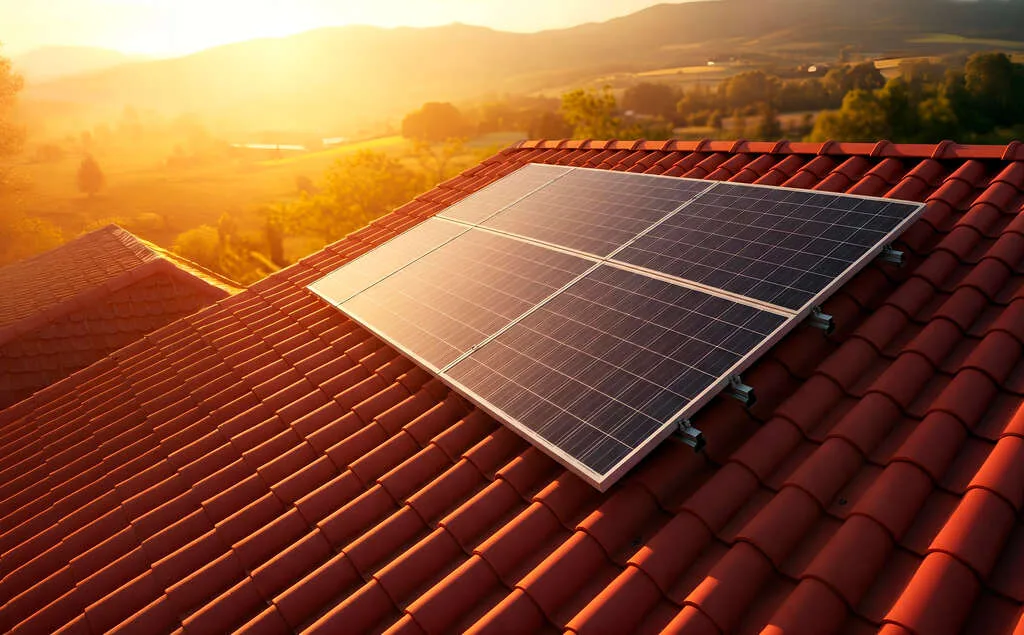
Polycrystalline silicon solar panels are made up of multiple fused silicon crystals. However, this technology has been rapidly losing market share. Currently, the supply of polycrystalline modules is increasingly limited, as manufacturers have almost entirely migrated to monocrystalline. This has reduced the variety of models available and made this type of panel less common in new installations.
Today, the use of polycrystalline panels is more due to occasional availability than to technical or economic advantages, which explains why they have been gradually replaced by monocrystalline panels in [context missing - likely related to specific applications]. residential projects and commercial.
TOPCon
Solar panels with technology TOPCon (Tunnel Oxide Passivated Contact), also called Type NThese technologies represent one of the most recent developments in the photovoltaic industry because they utilize N-type silicon cells, which suffer less degradation over time and exhibit better performance at high temperatures.
The main difference in this technology lies in the ultra-thin oxide layer between the silicon and the electrical contact. This layer acts as a "tunnel" that provides an easier path for electrons, preventing dispersion along the way. In addition, a layer of doped polysilicon is added, serving as passivation, responsible for reducing internal losses and increasing conversion efficiency.
In addition to high operational efficiency, these panels have better performance on cloudy days and a lower annual degradation rate, which helps maintain more stable energy generation throughout the module's life cycle.
Perc
The technology Perc (Passivated Emitter Rear Cell) was one of the major advances in recent years. In these cells, the rear part receives a passivating aluminum layer that reduces electron waste and reflects light that passed straight through and was not absorbed. In this way, the light gains a new opportunity to be absorbed and generate energy.
The result is a significant increase in energy production, especially in indirect light conditions or high temperatures. It's worth noting, however, that this model is gradually being replaced by options such as the TOPCon line.
Factors to consider when choosing solar panels today
Choosing solar panels in 2026 requires more than comparing models or looking for the lowest price. The market has evolved, new technologies have emerged, and installation conditions vary considerably between homes, businesses, and... industries.
Therefore, before finalizing a purchase, analyze technical and structural factors such as:
| Factor | What does it mean? | Important values / parameters | Impact on choice |
| Module efficiency | Percentage of sunlight converted into electrical energy. | Current averages range from 20% to 22,5%. TOPCon and Type N technology lead in efficiency. | The higher the efficiency, the fewer panels are needed to generate the same amount of energy. |
| Cell technology | Type of silicon and manufacturing method for the cells. | Monocrystalline, PERC, TOPCon, Thin Film (polycrystalline is rare today). | It affects yield, thermal behavior, and performance at low irradiance. |
| Brand Bankability (Tier) | The brand's financial capacity in projects financed by banks. | Tier 1 requires a track record of large-scale projects funded by different commercial banks. | It indicates the manufacturer's financial stability. |
| Module power (Wp) | Maximum energy that each panel can generate under standard conditions. | 590 W to 630 W are the most common; models from 700 W to 715 W are already on the market. | More powerful panels reduce the amount needed on the roof or in the power plant. |
| Annual degradation | Loss of efficiency over time. | ~0,45% to 0,55% per year; up to ~0,4% on TOPCon modules. | Less degradation increases cumulative production over the system's lifespan. |
| Warranties | Manufacturer commitments regarding the product and its generation. | Product lifespan: 10–15 years; Performance lifespan: 25–30 years (80%–88%). | It guarantees protection against defects and predictability of generation in the long term. |
| Climate resistance | Ability to withstand extreme conditions. | IEC 61215 and IEC 61730 certifications. | It indicates resistance to wind, hail, heat, humidity, and UV rays. |
| Dimensions and weight | Size and mass of the modules. | ~2 m × 1 m; 25 kg to 32 kg per module. | It impacts the facility layout and the structural requirements of the roof. |
| Real cost-benefit | Relationship between power, warranty and efficiency. | Technical evaluation, not just unit price. | A more efficient module can reduce structures, cables, and labor. |
How much does it cost to install solar panels in Brazil today?
The cost to install photovoltaic solar panels It depends on factors such as the type of module chosen, the inverter, the mounting structure, the system's power, the property's location, and even the complexity of the roof.
Therefore, the final cost is not limited to the price of the solar panel, but to the entire photovoltaic system. Today, a residential or commercial system includes:
- Solar panels (photovoltaic modules);
- solar inverter (or microinverters);
- Fixing structures;
- Cables, connectors and electrical protections;
- Technical design + skilled labor;
- Company Approval together with the distributor.
With this, the average prices in Brazil are*:
| System type / estimated size | Price per Wp (R$/Wp) | Example of a (power) system | Estimated value |
| Small/modest residential (~2 kWp) | ~ R$ 3,87/Wp | 2 kWp | ~ R $ 7.700 |
| Typical/average residential (~4 kWp) | ~ R$ 2,84/Wp (June 2025) | 4 kWp | ~ R $ 11.360 |
| Residential/modest (~8 kWp) | ~ R$ 2,31/Wp (most competitive level) | 8 kWp | ~ R $ 18.500 |
| Small commercial / micro-generation (e.g., up to ~30–75 kWp) | ~ R$ 2,02–2,28/Wp (variable depending on size) | 30–75 kWp | depends on the size (ex: 30 kWp → ~R$ 60.000; 75 kWp → ~R$ 170.000) |
| Larger systems / mini-generation (commercial/industrial model) | It varies considerably depending on size, infrastructure, structure, logistics, and scale. | ≥150 kWp (or more) | Price depends on the case — costs are more sensitive to customization and logistics. |
* Reference and estimated values obtained by multiplying power by price per Wp: these serve as a base calculation, but can vary considerably depending on project characteristics (module type, structure, labor, location, taxes, logistics, etc.).
How to choose the ideal solar panel?
Choosing the ideal solar panel should be based on the specific needs of each individual. photovoltaic project.
In some situations, it may be more advantageous to opt for cards with greater power to reduce the number of units installed.
The price, in turn, varies according to the financial capacity of each client.
However, whenever possible, it is advisable to opt for higher quality brands. Although the initial cost is higher, the investment is justified by the lower maintenance costs and the greater durability of the equipment, which can operate efficiently for up to 25 years.
Another item to check is the efficiency rate. The efficiency rate of a photovoltaic panel represents the percentage of solar energy which is converted into usable electricity.
In general, the efficiency of photovoltaic panels available on the market ranges between 21% and 22%. This means that of all the solar energy captured, this percentage is transformed into electrical energy.
More affordable panels, such as Tier 1 panels, tend to have higher efficiency, while those in lower categories may have lower efficiency. Efficiency also depends on the technology used, such as monocrystalline or polycrystalline cells.
Where to buy solar panels?

In Brazil, there are a wide variety of distributors that sell solar panels. However, direct purchase by the consumer is not recommended.
The acquisition process must be led by an integrator or architect, professionals qualified to identify the product best suited to the specific needs of each project.
These specialists guarantee not only the correct equipment selection, but also proper installation, ensuring efficiency and durability. photovoltaic system.
With this, you should have all the information you need to understand how photovoltaic solar panels work and how to make a well-informed decision. But take the opportunity to follow more. news on Canal Solar to stay up to date on everything about solar energy.!
Conclusion
Investing in solar panels is a smart and sustainable decision, both to save money electricity bill as to contribute to the preservation of the environment.
With a variety of options available, from technology types to brands, choosing the ideal model depends on your project needs and budget.
Furthermore, correct installation by qualified professionals ensures maximum system performance and safety.
With high durability and low maintenance, solar panels represent an efficient and long-term solution for energy generation. clean and renewable energy.

Comments (1)
Comments are moderated before publication.Comments should be respectful and contribute to a healthy debate. Offensive comments may be removed. The opinions expressed here are those of the authors and do not necessarily reflect the views of the author. Canal Solar.
I would like a quote for a residence