

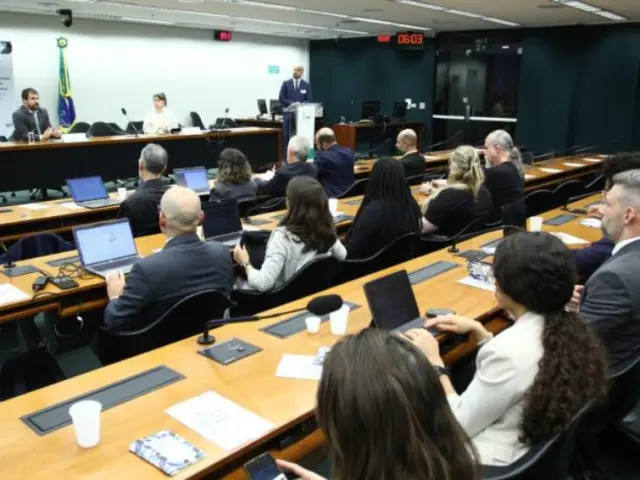
There is a bill being processed in the Chamber of Deputies. bill which aims to guarantee the free supply of up to 200 kWh per month of electricity for low-income families, using photovoltaic solar energy generation. The text is under analysis in the Chamber of Deputies.
Authored by Congressman Lucio Mosquini (MDB-RO), the text amends the Legal Framework for microgeneration and distributed minigeneration (Law 14.300 / 2022The idea is for the Federal Government to fund the implementation of microgeneration solar energy systems (up to 75 kW) to generate the necessary credits that will offset the electricity bills of these families.
The congressman argues that the model was designed to avoid creating new burdens for other consumers or the industrial sector. "This way, cross-subsidies and tariff distortions are avoided," Mosquini states.
The objective, according to the legislator, is to promote energy transition and social inclusion simultaneously. The document emphasizes that, if approved, it will be up to the Federal Government to regulate the selection criteria for beneficiary families, prioritizing those already registered in the CadÚnico (Single Registry for Social Programs).
How would it work?
According to the proposal, the benefit will be operated through the SCEE (Electric Energy Compensation System). In practice, the Government would finance the installation of solar systems, and the energy produced would be deducted from the bills of registered families, up to a consumption limit of 200 kWh.
According to the measure, the subsidies needed to purchase and install the systems will be implemented and funded by the Federal Government, depending on budget availability. The proposal will still be reviewed in a conclusive manner by the Committees on Mines and Energy; Finance and Taxation; and Constitution, Justice and Citizenship, before being put to a vote.
all the content of Canal Solar is protected by copyright law, and partial or total reproduction of this site in any medium is expressly prohibited. If you are interested in collaborating or reusing part of our material, please contact us by email: redacao@canalsolar.com.br.


Comments (1)
Comments are moderated before publication.Comments should be respectful and contribute to a healthy debate. Offensive comments may be removed. The opinions expressed here are those of the authors and do not necessarily reflect the views of the author. Canal Solar.
I think the congressman is forgetting about the tariff for the B line, which is currently at 60% and will reach 100% by 2029. This will make the use of photovoltaic systems unfeasible.