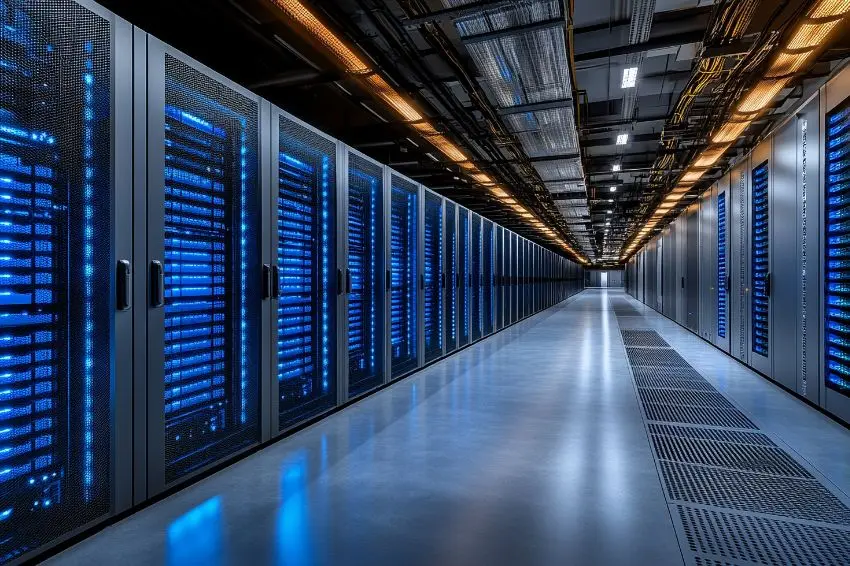
In recent years, Brazil has entered the global map of major investments in data centers. Ceará, Rio Grande do Sul, São Paulo, and other states are vying for the installation of these infrastructures, which promise jobs, innovation, and the attraction of foreign capital.
But along with the enthusiasm, controversy is growing: after all, data centers consume a lot of water and electricity, and in historically vulnerable regions, this can become a social and environmental problem of great proportions.
The water dilemma
Data centers need to keep thousands of servers running continuously, which generates intense heat. To cool this equipment, many facilities resort to large-scale water cooling systems.
International estimates indicate that each interaction with artificial intelligence systems can consume 10 to 25 ml of water, and image generation can multiply that value by up to 30 times.
In states like Ceará, where the use of water from the São Francisco River diversion project is being considered, the issue is delicate: the resource was intended for human consumption and agriculture, not to fuel the technological ambitions of global corporations.
In Rio Grande do Sul, the situation is different, but equally worrying. The climate crisis and recent floods have shown that water management is fragile. Installing data centers without planning can exacerbate disputes over water use, especially during periods of drought.
The challenge of electrical energy
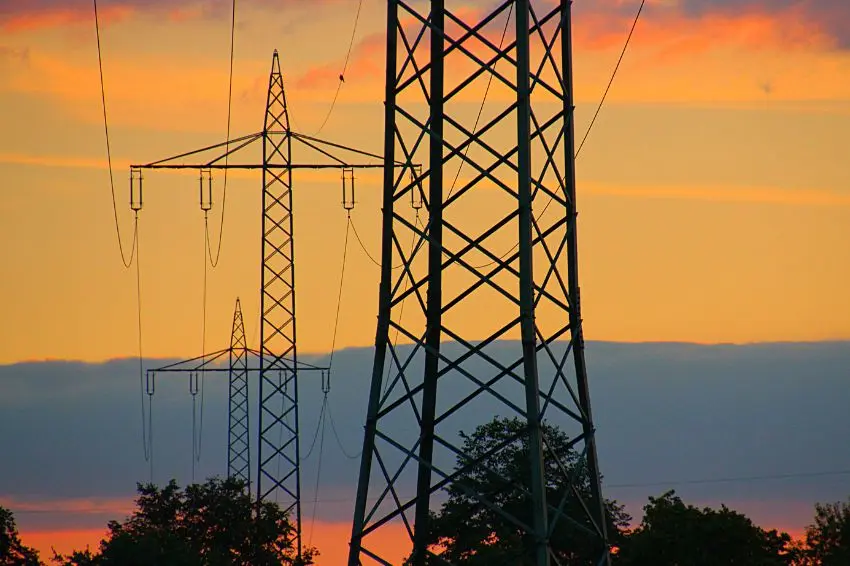
If water is a problem, energy is no less so. Data centers are voracious consumers of electricity. In a country that still heavily relies on hydroelectric power and faces transmission bottlenecks, the expansion of these structures requires deep reflection. This is where the defense of [the relevant legislation/organization] comes in. Modernization of electrical distribution networks for distributed energy resources (DERs).
What are REDs?
Distributed energy resources include:
- Decentralized solar and wind power generation (solar panels in homes, small wind turbines).
- Battery storage.
- Electric vehicles integrated into the grid.
- Intelligent demand management.
Instead of relying solely on large power plants and transmission lines, DERs allow energy to be produced, stored, and consumed more locally and efficiently. For data centers, this means the possibility of operating with local renewable sources, reducing pressure on the electrical grid, and increasing resilience against blackouts.
Storage and distributed energy resources are among ONS’s priorities
AI: risks, benefits, and inevitability
The controversy surrounding data centers cannot be separated from the explosion of artificial intelligence. AI tools are already transforming sectors such as healthcare, education, industry, and agriculture. The benefits are clear: faster diagnoses, process optimization, and increased productivity.
But there are also risks: intensive consumption of natural resources, concentration of power in a few companies, and social impacts on employment.
We are facing a point of historical turning pointAI is not a passing fad; it's a path of no return. The question is not whether we will adopt it, but how we will do so sustainably and fairly. Ignoring the environmental impacts would be repeating past mistakes, such as uncontrolled industrialization that generated pollution and inequality.
Pathways to sustainability
- Water efficiencyInvest in air-cooled systems or in the reuse of treated water.
- Clean and distributed energy: Integrating data centers into smart grids with solar, wind, and local energy generation and storage.
- Transparency and regulation: require public reports on water and energy consumption, and link licenses to sustainability goals.
- Tecnologic innovation: To support research into more efficient chips and algorithms that reduce computational demand.
- Regional planning: Consider the specific characteristics of each Brazilian state, avoiding overburdening already vulnerable regions.
Integration into the Digital Future and Distribution Networks
The installation of data centers in Brazil is a unique opportunity for integration into the digital future. But we cannot allow this technological race to repeat old patterns of predatory exploitation. The debate about water and energy is, in fact, an invitation to rethink our electrical and water infrastructure.
Modernizing distribution networks, investing in distributed energy resources, and demanding environmental responsibility from companies is not just an option: it is the only way to ensure that the advancement of artificial intelligence is an engine of sustainable development, and not a new factor of crisis.
We are facing a decisive moment. Brazil can be a protagonist in a green technological revolution—or just another stage for conflicts over scarce resources. The choice is ours.
The opinions and information expressed are the sole responsibility of the author and do not necessarily represent the official position of the author. Canal Solar.