
Nemesio Oseguera Cervantes, known as El Mencho, was identified by authorities as the leader of the CJNG (Cartel de Jalisco Nueva Generación), one of the most powerful criminal groups in Mexico. According to information released by Mexican authorities and recent public records, he died in February 2026 during a military operation in the state of Jalisco.
Following the incident, security forces reinforced monitoring in strategic regions due to the risk of internal disputes and clashes over illegal routes. Investigations conducted over the past few years indicate that, under his leadership, the cartel transformed fuel theft into one of its main sources of revenue outside of drug trafficking.
Pipeline drilling and fiscal impact
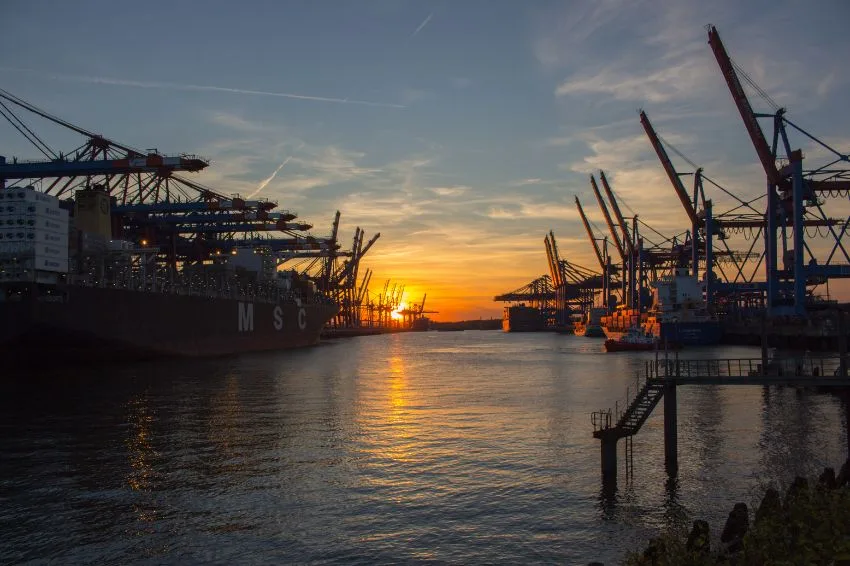
Official reports indicate that the group was involved in the clandestine drilling of oil pipelines belonging to the state-owned company PEMEX (Petróleos Mexicanos). The extracted fuel was distributed on the illegal market, causing billions of dollars in losses to the Mexican treasury and affecting the formal supply chain.
Authorities also identified schemes involving the irregular importation of refined products from the United States, declared as distinct products to reduce taxes, a practice known as "huachicol fiscal" (tax evasion). Part of the financial transactions were allegedly integrated into the formal system through shell companies.
The U.S. Treasury Department has classified fuel theft as one of the group's most lucrative illicit activities outside of drug trafficking.
Logistics and territorial control
According to investigations, the organization structured its own transportation network with tanker trucks and regional operators. Control of these routes expanded its influence in strategic states, strengthening its territorial control and financial capacity.
Security experts believe that the reconfiguration of command after the leader's death could alter the balance of power in areas with critical energy infrastructure.
Pressure on renewable energy projects
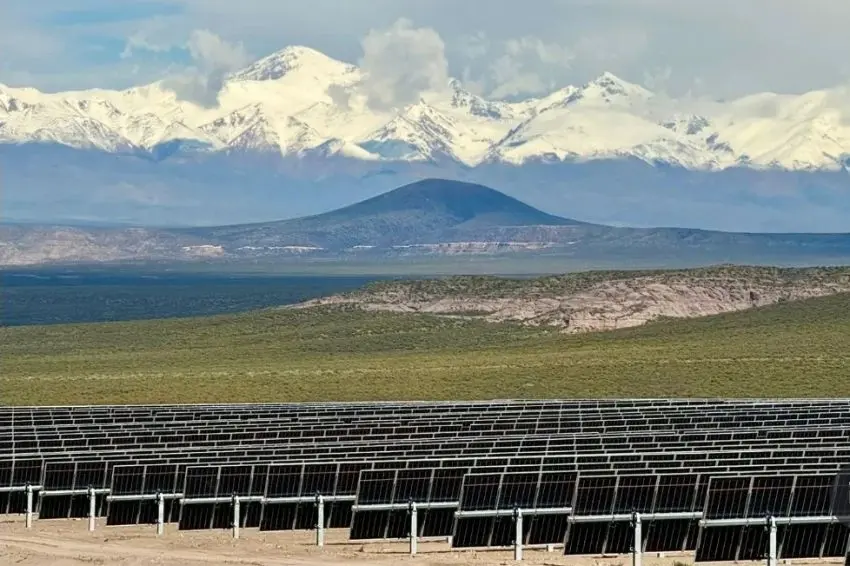
There is no evidence of the group directly operating solar or wind farms. However, security reports and Mexican press coverage indicate records of extortion against companies responsible for solar and wind farms in regions under criminal influence.
Cases of equipment theft, such as photovoltaic panels and copper cables, have also been documented. Analysts point out that territorial disputes can increase operational risks and security costs for clean energy generation projects.
Authorities continue to monitor potential developments in the energy sector, which is considered strategic for the country's economic stability.
all the content of Canal Solar is protected by copyright law, and partial or total reproduction of this site in any medium is expressly prohibited. If you are interested in collaborating or reusing part of our material, please contact us by email: redacao@canalsolar.com.br.
Comments
Comments are moderated before publication.Comments should be respectful and contribute to a healthy debate. Offensive comments may be removed. The opinions expressed here are those of the authors and do not necessarily reflect the views of the author. Canal Solar.