
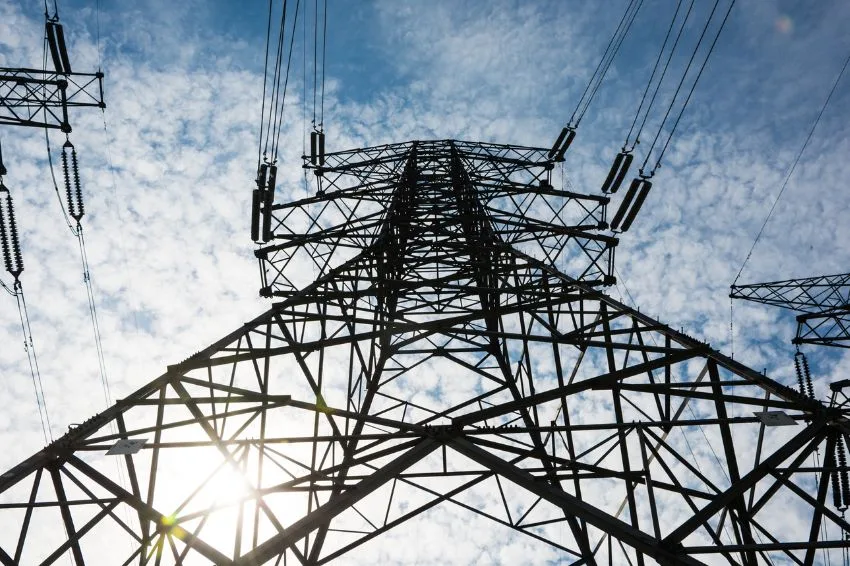
A ANEEL The Brazilian National Electric Energy Agency (ANEEL) approved on Tuesday (January 20th) the Annual Tariff Adjustment (RTA) for the distributor Roraima Energia, responsible for supplying electricity throughout the state. The new tariffs will come into effect on January 25th and will impact approximately 213,000 consumer units in 15 municipalities.
The average impact on consumers will be 24,13%, varying according to consumption class and voltage level. For residential customers (B1), the adjustment will be 22,69%. Low-voltage consumers will see an average increase of 22,90%, while for high-voltage consumers, the impact will be higher, reaching 28,93%.
According to the Agency, the tariff adjustment approved for Roraima Energia was mainly driven by the increase in sector charges, the accumulated financial costs in the current and previous tariff cycles, as well as expenses related to electricity transmission.
The price adjustment covers all consumer classes served by Roraima Energia, including:
- Low voltage: residential consumers (conventional and low income), rural, industrial, commercial, public lighting and public services;
- High voltage: companies and industries with supply at higher voltages, from classes A2 to A4.
Understand the difference: Tariff review vs. tariff adjustment.
The adjustment authorized by ANEEL This falls under the process called Annual Tariff Adjustment, stipulated in the concession contracts and carried out in years when there is no TTP (Periodic Tariff Review).
RTP is broader, redefining parameters such as cost-effective distribution, loss and quality targets, and the components of Factor X (the distributor's productivity index).
RTA, on the other hand, has a more technical and automatic character, updating operational costs based on inflation (IPCA or IGP-M) minus the X Factor, in addition to passing on energy, transmission, and other charges.
The price adjustment by Roraima Energia comes at a time when the state is making progress in the process of... definitive integration into the SIN (National Interconnected System), after years of operating in isolation and with a strong dependence on thermal power generation.
With the completion of the interconnection with the rest of the country, greater stability in supply is expected, although the tariff adjustment process will still have an impact on the consumer.
all the content of Canal Solar is protected by copyright law, and partial or total reproduction of this site in any medium is expressly prohibited. If you are interested in collaborating or reusing part of our material, please contact us by email: redacao@canalsolar.com.br.


Comments
Comments are moderated before publication.Comments should be respectful and contribute to a healthy debate. Offensive comments may be removed. The opinions expressed here are those of the authors and do not necessarily reflect the views of the author. Canal Solar.