
In recent months, Brazil has been the scene of extreme weather events that have dramatically exposed the fragility of our electrical infrastructure. The historic storm in São Paulo left millions of people without electricity and water, caused billions of dollars in damage, and led to the cancellation of hundreds of flights.
In states like Santa Catarina and Paraná, storms knocked down power lines, destroyed homes, and resulted in deaths and injuries. These episodes are not merely isolated accidents: they are symptoms of the climatic anomalies that science has been warning about for decades.
Transmission network vs. distribution network
To understand the vulnerability, it is necessary to distinguish between two levels of the electrical grid:
- Transmission network: responsible for transporting large blocks of energy from power plants to consumer centers, via high-voltage lines that cross the country;
- Distribution network: carries energy to homes, with poles, transformers, and cables that cross streets and neighborhoods.
Gales and storms affect the distribution network in specific locations, as it is more exposed and fragile. But when weather events intensify, even the transmission network can be compromised, increasing the risk of large-scale blackouts.
Recent consequences
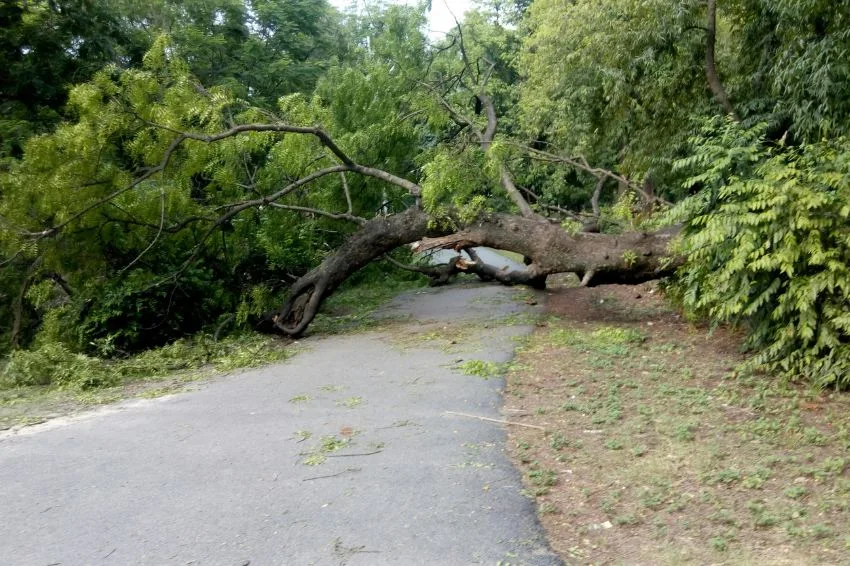
In São Paulo, wind gusts exceeding 98 km/h knocked down trees and power poles. leaving more than 2 million homes without power simultaneously..
The chaos spread: 400 flights canceled, losses exceeding R$ 1,5 billion, and essential services paralyzed.
In Santa Catarina and Paraná, floods and strong winds caused destruction, deaths, and injuries, reinforcing the warning that extreme weather events are becoming routine.
These episodes show that it's not just about comfort or saving on the electricity bill, but about energy security and social survival.
Science has already warned us.
Since the 1970s, scientific studies have pointed to the risks of greenhouse gas emissions. IPCC The Intergovernmental Panel on Climate Change (IPCC) has consolidated this knowledge, showing that the intensification of extreme events is a direct consequence of human activity. Science deserves respect: it is not opinion, it is evidence.
Unfortunately, misinformation attempts to divert attention by spreading conspiracy theories about "secret weapons" or "climate manipulation." This narrative paralyzes society and undermines collective action. The way forward is not denial, but confrontation through public policies and international cooperation.
My activism for the energy transition.
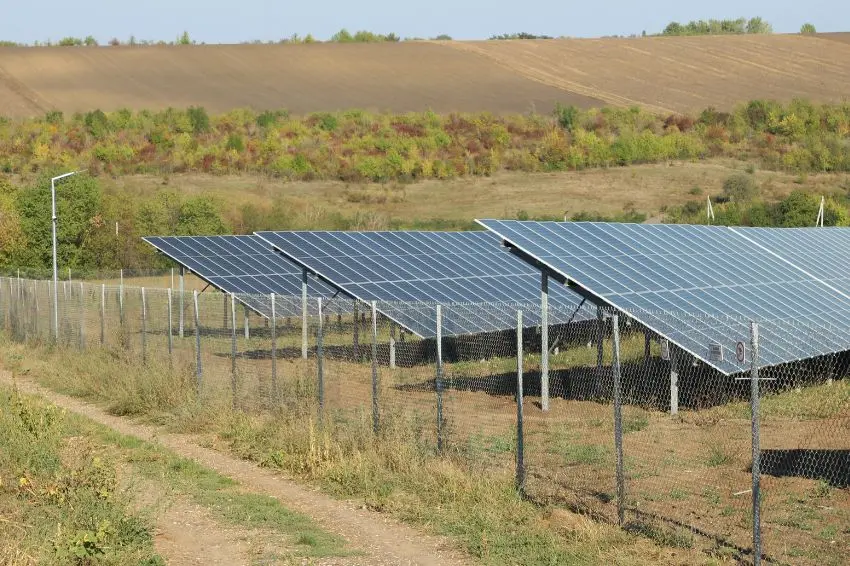
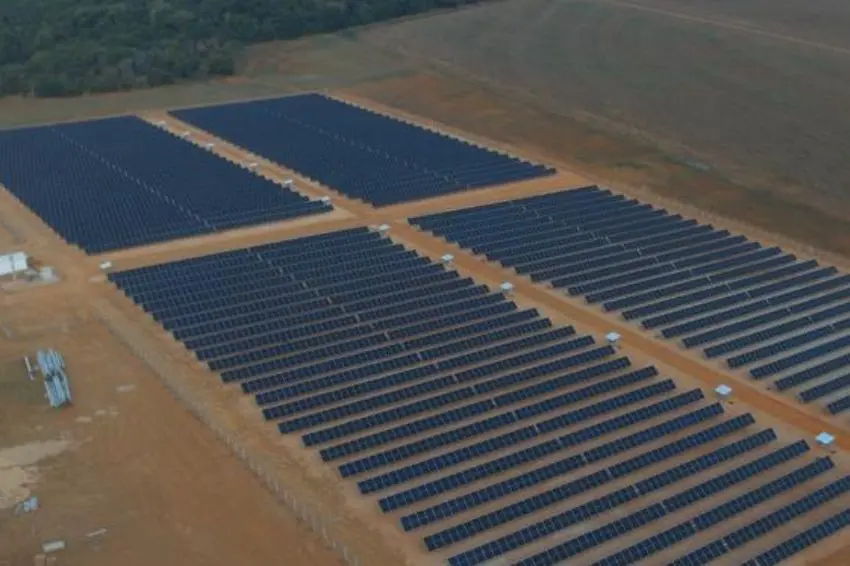
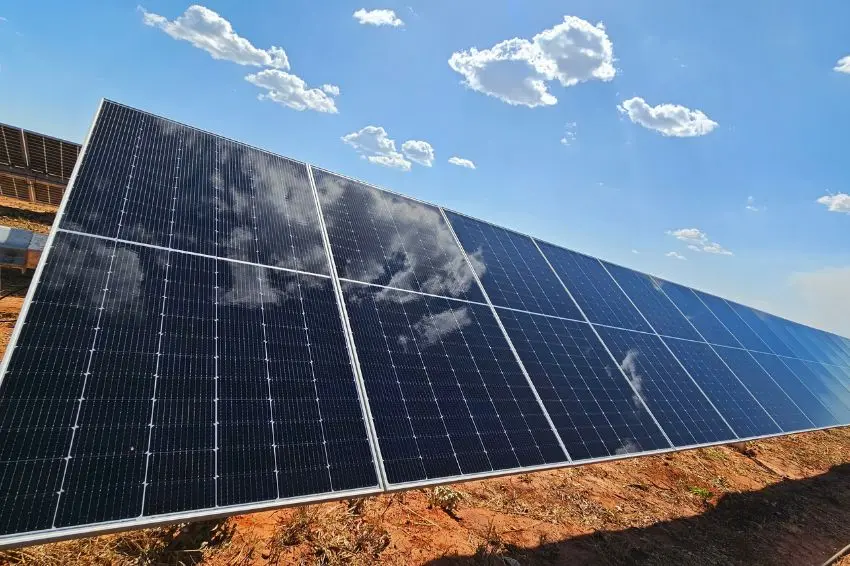
I advocate for society's right to generate its own energy, store it, and actively participate in the modernization of grids. Distributed generation and distributed energy resources (DERs) — such as solar panels, batteries, and smart systems — are cornerstones of a new energy matrix.
But there are forces opposing this democratization. Large economic interests resist decentralization. That is why I affirm: there will be no just energy transition if it is not decentralized, decarbonized, digitized, and democratized.
The transition cannot be merely technological; it needs to be social. It is a movement for the common good, for energy sovereignty, and for climate justice.
A warning to society
We are at the end of the year and millions of Brazilians are without power simply because of weather events. And we haven't even talked about water crises or transmission failures yet. The warnings were given, the technologies exist. Now is the time for society to wake up.
- To generate and store one's own energy;
- To demand that politicians, government officials, and regulators modernize and open up local networks;
- To demand public policies that guarantee energy security in the face of intensifying extreme events.
The distributor cannot complain that it cannot distribute the energy generated by the population. What it needs to do is adapt to the new reality.
The future we need
The energy transition requires eliminating fossil fuels and adopting clean and sustainable solutions. Even when we manage to reduce emissions, we will still suffer for decades until the atmosphere returns to pre-industrial levels. But every step taken today accelerates this process.
The challenge is immense, but hope is even greater. The energy transition cannot leave anyone behind. Climate justice means that all segments of the population must have access to solutions, without exclusion.
If we walk together, with science, solidarity, and courage, we will build a future where energy is not just light in homes, but a symbol of dignity, security, and life.
I conclude by stating that Brazil needs to awaken to the energy transition. It is not just an economic issue, but one of survival and justice. The energy of the future will be clean, decentralized, and democratic—and only the...Yes, we will be able to face the gales and other extreme events that are already knocking on our door.
The opinions and information expressed are the sole responsibility of the author and do not necessarily represent the official position of the author. Canal Solar.