
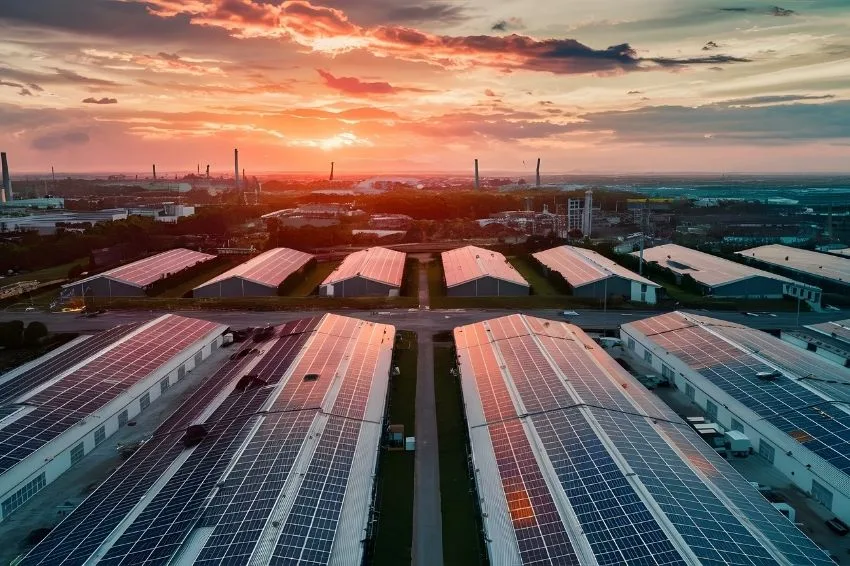
Recent regulatory changes in the Brazilian electricity sector are increasing the competitiveness of solar energy solutions combined with batteries for commercial and industrial use. In this context, the Brazilian market could generate up to 50 million euros – approximately R$ 314 million, according to Marcelo Xavier, CEO of GreenYellow Brazil.
According to the executive, the company intends to invest 20 million euros in the energy efficiency and energy storage segments in the country.
Since mid-2024, GreenYellow has been adjusting its strategy in Brazil, recycling larger distributed solar generation assets and refocusing on off-grid solutions, energy efficiency, and storage geared towards the C&I (commerce and industry) market.
Currently, the company operates 160 MW of solar power plants and plans to bring another 30 MW online by mid-year. However, these projects correspond to contracts signed more than a year ago and do not reflect the new strategy adopted by the group.
The company's main focus is on expanding behind-the-meter solutions, a model that combines energy generation, storage, and management on the consumer side, without a direct connection to the distribution network.
"In terms of growth, Brazil is where we see the most potential for deploying this platform. Here, it's possible to do many hybrid projects, combining energy efficiency, photovoltaics, and storage," the executive stated.
Below are the main excerpts from the interview.
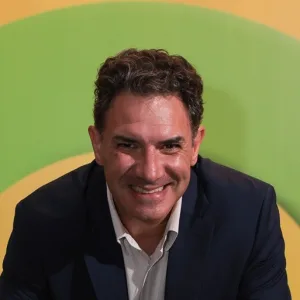
Marcelo, I'll get straight to the point. What are GreenYellow Brazil's priorities for 2026 and the coming years?
We made a significant portfolio change starting in mid-2024, mainly due to regulatory changes in distributed generation. Speaking of photovoltaics, which is one of our main business lines, we stopped seeking new traditional distributed generation projects and started focusing on PV for Commerce and Industry, what we call behind-the-meter.
These are ground-mounted, carport, and rooftop power plants, all net-zero, not connected to the grid. We strongly believe in this market because, with the new regulations and ongoing changes, it has significant growth potential in Brazil, especially in the B2B sector. This is one of the main pillars following the structural changes we've implemented.
Another business we continue to invest heavily in is energy efficiency. Energy efficiency, basically, is the replacement of equipment and systems that consume energy themselves — lighting, air conditioning, compressed air, steam, boilers, refrigeration. We operate in several verticals: shopping malls, industry, hotels, food and non-food retail, logistics.
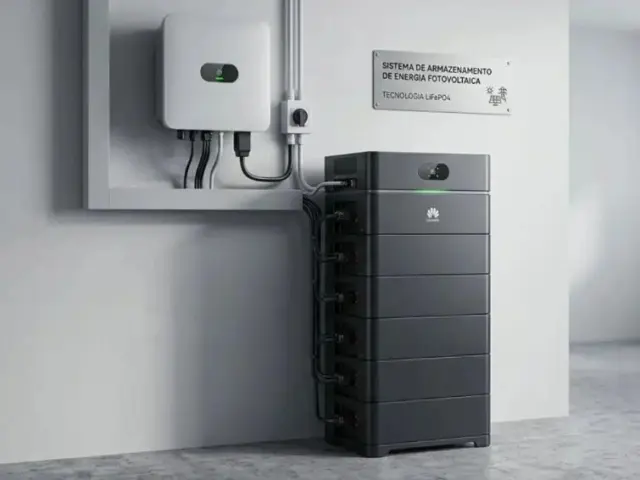
And now we're also entering the storage market. In 2025, we managed to get a foothold in this market, forming partnerships and bringing in some clients. The expectation is to grow and leverage this line in 2026. BESS works very well as hybrid solution, along with energy efficiency or photovoltaics.
Is Brazil still a priority market for the group? Why?
Yes, it continues. In terms of growth, Brazil is where we see the most potential for implementing this platform. Here, it's possible to do many hybrid projects, combining energy efficiency, photovoltaics, and storage.
GreenYellow invests heavily in cross-selling and up-selling solutions. Furthermore, our experience with warehousing in Brazil has been very positive. Today, the group's largest BESS pipeline is here. Brazil has been the country that has made the most progress in this area, so we see great potential for converting these projects.
Can you share some sales figures for BESS?
We closed two deals, but there's potential for something between 40 and 50 million euros in projects that could emerge in Brazil.
How do you assess the Brazilian market after the most recent regulatory changes?
The changes helped to clarify the situation considerably. They clarified how we can operate with BESS and removed some uncertainties. We see, for example, the possibility of reducing Capex with REIDI for storage.
Furthermore, more expensive and less subsidized energy favors our behind-the-meter model. These changes are very much in line with our strategy and ultimately corroborate what we want to do.
You recently sold 23 photovoltaic plants. What is the current state of your plant portfolio and investments?
We have several projects awaiting connection, practically all of which are already built. Today we operate around 160 MW in distributed generation. We completed two M&A transactions, one in 2023 and another completed in 2025. Capital recycling is normal within the group.
Today, basically, we are only building projects that already had contracts signed about a year ago.
How many power plants are expected to become operational and when?
They should be operational by mid-year. These are plants in Mato Grosso, one in Ceará, and others in Piauí. In total, four or five plants, all distributed generation (DG), with a maximum capacity of 5 to 6 MWp. We're talking about something around 30 MW.
Which aspects of the regulation have had the greatest impact on investments in solar energy?
Primarily, the reduction of subsidies on the transmission line for new entrants into the free market. Those entering now will not have the same benefits as those who already have a contract in place.
This, on the other hand, opens a window of competitiveness for us. When we put together a package, and add storage, we can reach a fairly reasonable number to reduce the end customer's rate.
In the behind-the-meter model, we install the photovoltaic system within the client's facility and are able to generate a significant reduction. The point to note is that every regulatory change brings some level of legal uncertainty, both for us and for the client, so we need to monitor it very closely.
What is the state of the energy efficiency market today?
It's a continuously growing market for us. For the past four or five years, each year has surpassed the previous one. In the past, we did a lot of projects within GPA, when Casino was a shareholder. Today, we operate much more broadly in the market.
The businessman is getting used to this model of not owning the equipment, but rather its use. He doesn't need to own the air conditioning system, he needs its availability. The same applies to lighting, refrigeration, and compressed air.
He doesn't use lines of credit, he doesn't borrow from the bank. We finance the equipment over its lifespan; the client pays when the system is already operational. This frees up capital for the core business and relieves the burden of maintenance. Many clients end up becoming repeat customers.
In the energy efficiency business, do you share the profits with the client?
Not exactly. We diagnose the problem, design the solution, purchase the equipment, and the asset becomes ours. The client only starts paying when the equipment is available and generating revenue.
The idea is to balance the monthly bill so that the savings generated by the more efficient equipment cover a good portion of the cost. We often achieve this, but it's not a profit-sharing model.
How is the business doing in installing charging points for electric vehicles?
We exited this business in Brazil. It's a global movement within the group. We understood, about a year and a half ago, that the adoption of electric cars wouldn't happen at the expected speed. This has been confirmed.
Furthermore, the recharge business model didn't fit our infrastructure model. To avoid risks, the decision was made to exit.
Is there interest in participating in the opening of the free market for low-voltage electricity?
We have expertise in retail, but it's a very different market from our focus. We have a trading company within the group, but the main strategy remains generation alongside cargo in C&I.
Can you share figures regarding the expected growth in Science & Innovation?
Today we have a pipeline of approximately 400 MW. The goal is to close at least 40 MW this year, but I believe we can do more. That's just in C&I (Construction & Innovation).
In terms of investment, we aim to reach something around 20 million euros, combining energy efficiency and BESS (Build-Stop-Solid Waste Management).
Is there anything I haven't asked that you'd like to highlight?
The main point is that we are implementing a well-structured growth rate, with strong capital discipline and resource allocation. The expectation is that 2026 will be an even faster year than 2025.
The motto at GreenYellow is to do more with less: to be a lean company, but with accelerated growth. And this growth largely depends on partnerships with integrators and installers, both in energy efficiency and in BESS and photovoltaics.
all the content of Canal Solar is protected by copyright law, and partial or total reproduction of this site in any medium is expressly prohibited. If you are interested in collaborating or reusing part of our material, please contact us by email: redacao@canalsolar.com.br.

Comments
Comments are moderated before publication.Comments should be respectful and contribute to a healthy debate. Offensive comments may be removed. The opinions expressed here are those of the authors and do not necessarily reflect the views of the author. Canal Solar.