
The rise in oil prices on the international market, with the barrel above US$100,00, has once again placed renewable energies at the center of the debate on energy security and diversification of the global energy mix.
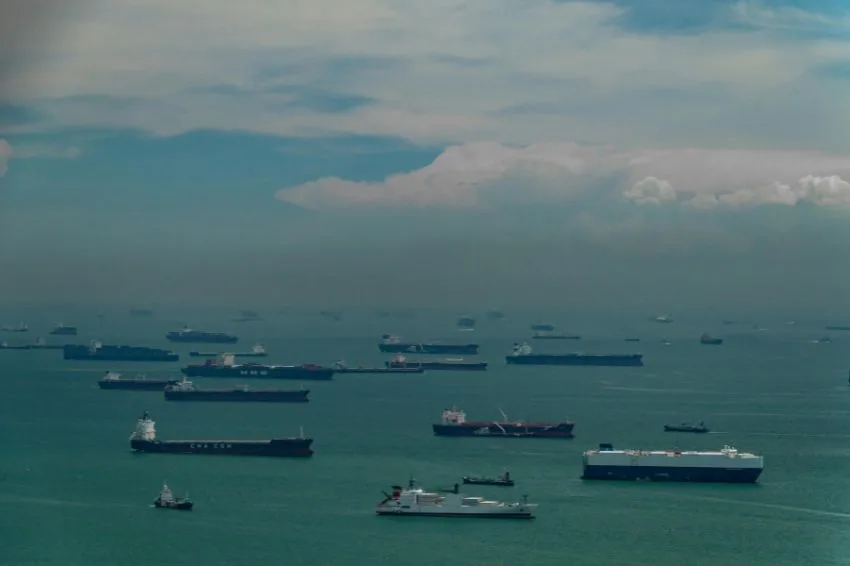
The scenario of geopolitical instability has led governments and companies to evaluate alternatives to reduce their dependence on fossil fuels. The Strait of Hormuz, a strategic route for oil transportation, has been heavily impacted by the conflict between the United States, Israel, and Iran.
Reuters reported that, even amid military attacks and regional threats, Iran will allow the passage of Indian-flagged oil tankers. Nevertheless, tensions continue to affect maritime traffic and the global oil supply.
According to Hudson Mendonça, CEO of the Energy Summit, expanding the use of renewable sources is a way to reduce economic and strategic vulnerabilities. "If you have other energy alternatives, you become less vulnerable to geopolitical fluctuations," he stated.
According to him, energy security tends to become one of the main drivers for new investments in solar energy in the coming years. "What will drive the growth of solar investment will be the issue of geopolitics and energy security," he added.
The advancement of solar energy is occurring within a context of increasing global demand for electricity, pressures for decarbonization, and falling technological costs. Mendonça assesses that the combination of these factors, added to the volatility of oil and instability in the market, is driving this growth. Strait of HormuzThis can accelerate renewable energy generation projects in different regions of the world, including emerging markets and industrialized economies.
Geopolitics has become essential in the world of energy investments.
Before the war and the recent escalation of conflicts in the Middle East, Mendonça was already warning the market about the strategic role of energy. In an interview with Canal He highlighted that solar energy has ceased to be merely an economic input and has become one of the main factors of power on the international stage.
The CEO of Energy Summit He explained that, in addition to global conflicts, factors such as artificial intelligence and technological innovation are repositioning the sector at the center of geopolitical decisions.
"Previously, energy investments were made primarily based on economic logic, capital expenditure, return on investment, and amortization period, while political risks were merely an adjustment factor. Today, the logic is reversed: a The decision begins with geopolitics."If the environment is safe, then economic viability can be calculated," he stated.
You might be interested!
Crisis in the Middle East reignites debate on energy security and the role of renewables.
all the content of Canal Solar is protected by copyright law, and partial or total reproduction of this site in any medium is expressly prohibited. If you are interested in collaborating or reusing part of our material, please contact us by email: redacao@canalsolar.com.br.



Comments
Comments are moderated before publication.Comments should be respectful and contribute to a healthy debate. Offensive comments may be removed. The opinions expressed here are those of the authors and do not necessarily reflect the views of the author. Canal Solar.