
Article published in Magazine Canal Solar – Vol. 6, No. 7, December/2025
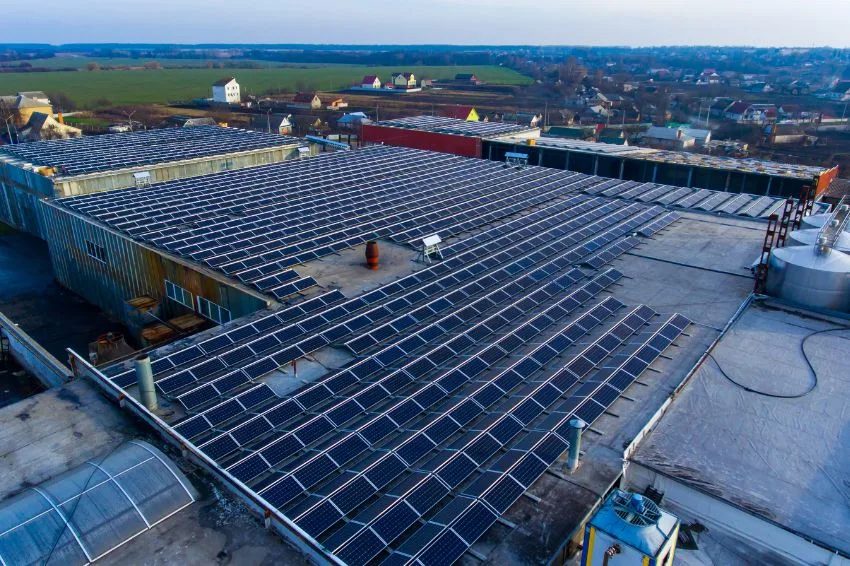
Reverse flow occurs when the solar generation of a photovoltaic system exceeds the instantaneous consumption of the consumer unit to which it is connected. In this condition, the surplus energy does not find sufficient local demand and, consequently, flows from the point of consumption towards the distributor's electrical grid. This displacement of energy in the opposite direction to the conventional flow technically characterizes reverse flow.
Although it is an expected phenomenon with the expansion of distributed generation, flow reversal can generate undesirable impacts on the electrical grid depending on the volume of power injected and the electrical characteristics of the distributor's network.
Among the main challenges are the incompatibility of the original protection philosophy — designed for unidirectional flow — and the occurrence of overvoltages, especially in network sections at the end of a branch line, where the impedance is higher.
In most cases, the problems associated with reverse flow can be mitigated through adjustments to the grid infrastructure, such as reinforcing conductors, installing voltage regulators, or adapting the protection philosophy. However, the cost of these interventions, when passed on to the consumer interested in installing the photovoltaic system, can make the project economically unfeasible.
Thus, an alternative to enable the installation of a photovoltaic system in consumer units that face restrictions on injecting energy into the distributor's electrical grid is the implementation of a generation system without energy injection, popularly known as a GridZero system. In this configuration, all the energy generated must be consumed instantaneously by the local load, without exporting it to the distributor's grid.
Read the full article in the complete issue of the magazine. Click here to download.
The opinions and information expressed are the sole responsibility of the author and do not necessarily represent the official position of the author. Canal Solar.



Comments
Comments are moderated before publication.Comments should be respectful and contribute to a healthy debate. Offensive comments may be removed. The opinions expressed here are those of the authors and do not necessarily reflect the views of the author. Canal Solar.