
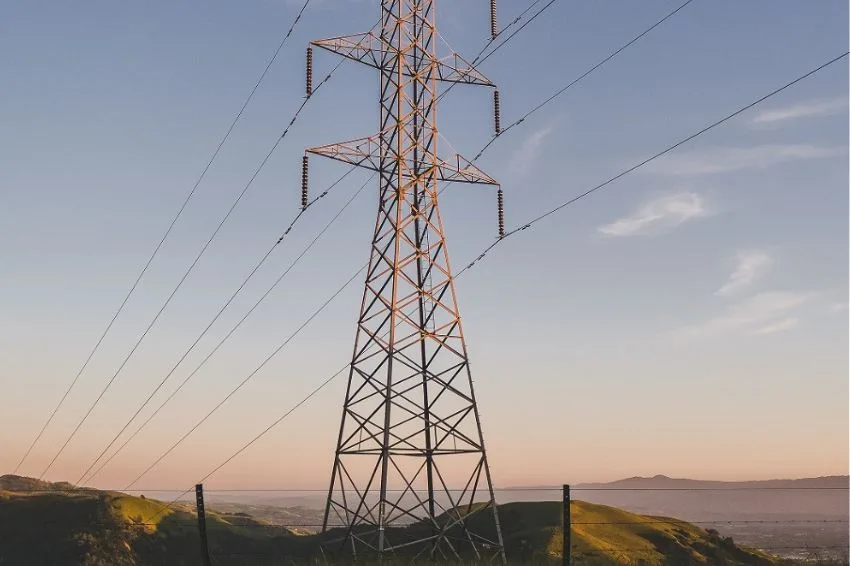
With the creation of the Legal Framework for Distributed Generation (DG) by Law 14.300 in 2022, a tariff transition schedule was established that reduces, year by year, the compensation for the Fio B component in the electricity bill.
The charge started at 15% in 2023, increased to 30% in 2024, reached 45% in 2025, and, as of January of this year, reached 60%, affecting consumers who had their solar systems approved after January 7, 2023, classified as GD2.
To explain clearly and practically what changes in your economy and how these rules impact the return on investment in solar energy, the Canal Solar has prepared a free technical eBook with detailed examples and analysis.
Download now and understand how the Fio B charge affects your photovoltaic system.
all the content of Canal Solar is protected by copyright law, and partial or total reproduction of this site in any medium is expressly prohibited. If you are interested in collaborating or reusing part of our material, please contact us by email: redacao@canalsolar.com.br.


Comments (2)
Comments are moderated before publication.Comments should be respectful and contribute to a healthy debate. Offensive comments may be removed. The opinions expressed here are those of the authors and do not necessarily reflect the views of the author. Canal Solar.
I installed solar energy at home in April 25, and I have surplus energy, but my bill has been going up by 20 reais every month since October 25. I believe that from now on solar energy will no longer be worthwhile…
You're mistaken; look at your simultaneous transactions combined with credit offsetting, and you'll see how much you're saving.
That's a lot of money over 25 to 30 years...