
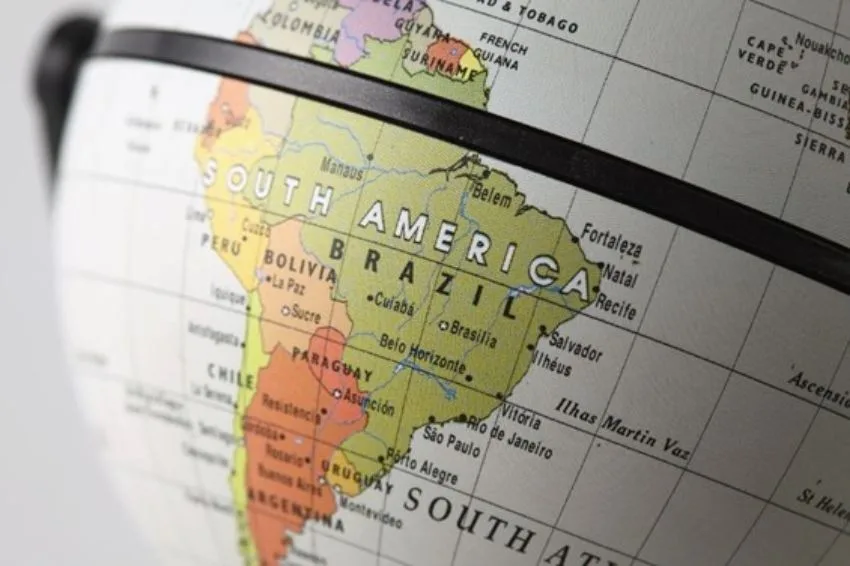
The White Tariff, a method of charging for electricity based on the time of consumption, is part of a set of models already used in other Latin American countries. Internationally, this type of system is classified as a Time-of-Use (ToU) tariff, with variations in nomenclature, time division, and the target audience.
In Brazil, the White Tariff is regulated by ANEEL (National Electric Energy Agency) and applied to low-voltage consumers. The charge is divided, on weekdays, into three periods: peak, intermediate, and off-peak.
Peak hours, as defined by the local distributor, have the highest prices. On weekends and holidays, all hours are considered off-peak.
Uruguay adopts division into two or three periods.
In Uruguay, hourly fare collection is offered by the state-owned company. UTE (National Administration of Electric Power Plants and Transmissions)The country offers the Double Hourly Residential Tariff and the Triple Hourly Tariff, which segment the day into periods called Punta, Llano, and Valle.
The Valle period, typically during the early morning hours, has the lowest prices. The system allows for the choice between options with two or three time slots, depending on the plan selected.
Chile uses hourly fares with differentiated metering.
Chile applies time-of-use pricing to certain residential and commercial contracts, such as the BT4.3 model. In this model, the cost of energy varies between peak demand hours and the rest of the day.
Differentiated pricing is made possible by metering systems that record consumption by time slot, allowing for the automatic application of corresponding prices.
Colombia and Mexico with partial application.
In Colombia, the conventional tariff structure still predominates, but there are regulations that allow for the adoption of hourly tariffs, especially those associated with advanced metering projects and the charging of electric vehicles.
In Mexico, the CFE (Federal Electricity Commission) It applies time-of-use pricing primarily to commercial and industrial consumers, through methods such as GDMTO and GDMTH. Residential use of this type of billing is more restricted.
Differences compared to the Brazilian model
Latin American countries that adopt time-of-use tariffs follow the same principle of price variation according to the demand on the electricity system. The differences are related to the number of time slots, the possibility of choosing plans, the target audience, and the level of detail in the metering.
In Brazil, tariff schedules are standardized by distributor and applied uniformly to consumers who subscribe to the White Tariff, according to rules defined by... ANEEL.
You might also be interested in!
Changes to the White Tariff raise debate about the legal security of distributed generation.
all the content of Canal Solar is protected by copyright law, and partial or total reproduction of this site in any medium is expressly prohibited. If you are interested in collaborating or reusing part of our material, please contact us by email: redacao@canalsolar.com.br.

Comments
Comments are moderated before publication.Comments should be respectful and contribute to a healthy debate. Offensive comments may be removed. The opinions expressed here are those of the authors and do not necessarily reflect the views of the author. Canal Solar.