
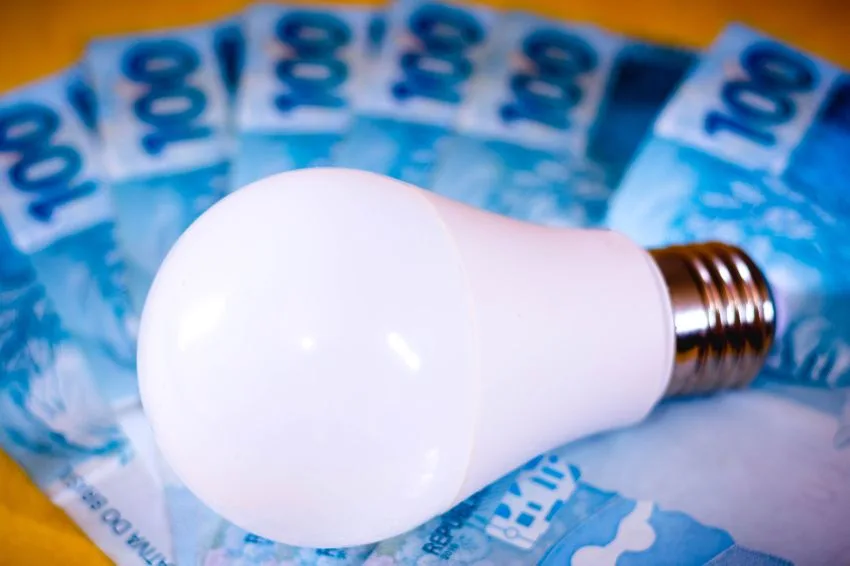
The Brazilian electricity sector is undergoing a profound transformation. Technological modernization, driven by so-called Distributed Generation — which includes solar panels, storage batteries, charging stations, and smart meters — is changing not only how energy is produced, but also how it is charged.
In this context, the White Energy Tariff emerges as an innovative alternative, capable of benefiting residential consumers, businesses, and even rural properties.
How does the energy tariff system work?
To understand the White Tariff, it is first necessary to understand how the electricity billing system works in Brazil. Today, most consumers pay the so-called conventional tariff, which has a single price per kilowatt-hour (kWh), regardless of the time of day the energy is consumed.
The White Tariff introduces the concept of tariff periods, meaning different energy prices depending on the time of day:
- Peak hours: generally between 18 PM and 21 PM, when there is the highest demand on the electricity grid. During this period, energy is more expensive.
- Intermediate hours: before and after peak hours, with moderate prices.
- Off-peak hours: early morning and part of the morning, when consumption is lower and the tariff is cheaper.
This logic aims to encourage consumers to shift part of their consumption to times of lower demand, helping to balance the electrical system and reducing the need to activate more expensive and polluting power plants.
ANEEL and the public debate
The National Electric Energy Agency (ANEELThe organization has been holding meetings and public hearings to discuss the expansion of the White Tariff. The goal is to gather input from society, businesses, and experts to improve the model and broaden its adoption.
The expectation is that White Tariff to become the "next big thing" in the modernization process of the Brazilian electricity sector, aligning itself with global trends in energy efficiency and sustainability.
Advantages of the White Tariff
Choosing the White Tariff can bring significant benefits:
- Lowering your electricity bill: consumers who manage to reorganize their consumption habits — such as using washing machines, irrigation pumps, or refrigeration systems outside of peak hours — can save up to 20% on their monthly bill.
- Greater predictability: by knowing the most expensive times, consumers can better plan their activities.
- Sustainability: By reducing pressure on the system during peak hours, the need to activate thermal power plants, which are more polluting, is reduced.
A practical example: imagine a family that usually turns on the electric shower and washing machine at night, between 19 pm and 20 pm. If this family shifts these uses to the morning or afternoon, they could pay less for the energy consumed.
For whom is the White Tariff more advantageous?
The White Tariff is especially suitable for:
- Residences with high energy consumption and flexible schedules.
- Companies and offices that can shift some of their activities outside of peak hours.
- Farms and rural properties that use irrigation pumps or heavy equipment at scheduled times.
On the other hand, for consumers who concentrate their energy use precisely during peak hours, the White Tariff may not be advantageous.
The confusion of technical terms
For the average consumer, terms like TUSD (Tariff for Use of the Distribution System), tariff charges, time-of-use pricing, and tariff flags can sound like a real labyrinth. In fact, the electricity sector is full of acronyms and complex rules.
That's precisely why specialized service providers—such as electrical engineers, energy consultants, and energy management companies—have an obligation to master these details. Technical knowledge can make a significant difference in their clients' monthly bills, whether it's a home, a business, or a farm.
The role of Distributed Generation
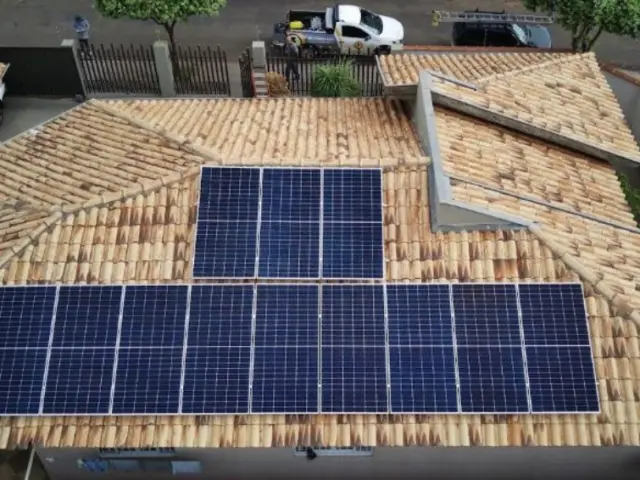
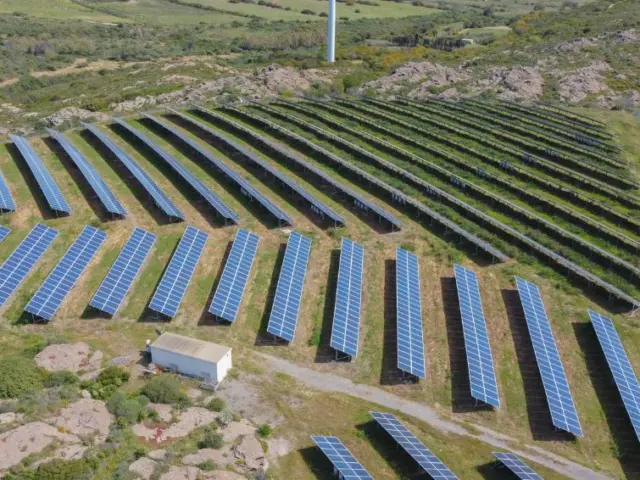
The White Tariff only makes sense within a broader context: that of Distributed Generation. This concept refers to the production of electricity close to the point of consumption, as occurs with solar panels installed on the roofs of houses, businesses, and public buildings.
Thanks to Distributed Generation, the consumer ceases to be merely a "bill payer" and becomes an energy producer as well. This opens up space for new pricing models and smarter tariffs, such as the White Tariff.
Technological modernization of the electricity sector
The Brazilian electricity sector is undergoing a complete modernization process:
- Storage batteries allow you to save energy produced during off-peak hours for use during periods of higher demand.
- Charging stations enable the expansion of electric vehicles, integrating transportation and energy.
- Smartmeters (smart metersThey offer consumers real-time information about their consumption, making it easier to adopt the White Tariff.
- Smart grids are being developed to make the flow of energy more dynamic, safe, and efficient.
These innovations expand the boundaries of energy generation and consumption, making the system more flexible and better prepared to meet the needs of Brazilian society.
An important step
The White Energy Tariff represents an important step in the modernization of the national electricity sector. More than just a change in the way billing is done, it reflects a new logic of consumption, based on efficiency, sustainability, and active consumer participation.
Whether for homes, businesses, or rural properties, the White Tariff can be a powerful ally in reducing costs and building a smarter energy future.
You might also be interested in!
White Tariff puts Brazil on a common path with Latin America.
The opinions and information expressed are the sole responsibility of the author and do not necessarily represent the official position of the author. Canal Solar.

Comments (2)
Comments are moderated before publication.Comments should be respectful and contribute to a healthy debate. Offensive comments may be removed. The opinions expressed here are those of the authors and do not necessarily reflect the views of the author. Canal Solar.
When can I switch to the white tariff?
Good Morning!
Anything that depends on changing the habits of an entire population tends to succeed… for those who raise the money.