
The first LRCAP (Capacity Reserve Auction in the Form of Power) of 2026 resulted in the contracting of 18,97 GW of installed capacity, consolidating itself as one of the main recent moves to strengthen the country's energy security.
performed by ANEEL (National Electric Energy Agency) and operated by CCEE (Electric Energy Trading Chamber), the auction lasted approximately six hours and registered an average discount of 5,52%, which represents an estimated savings of R$ 33,64 billion for consumers.
Nevertheless, the result raises discussions about the balance between energy security, competitiveness, and costs in the long term.
According to lawyer Ana Karina de Souza, a specialist in infrastructure and energy and partner at the law firm Machado Meyer Advogados, the bidding process demonstrates the progress of energy policy focused on contracting capacity, in response to the current needs of the Brazilian electricity system.
“The great highlight of LRCAP, I would say, is the success of the energy policy of capacity contracting. It is important to analyze this result within a systemic context, in which there is a growing need for power attributes in the system. In this sense, the auction was successful in meeting this demand, which today is a fundamental requirement to guarantee the balance and security of the electrical system,” he stated.
According to the lawyer, the contracted volume, equivalent to approximately 10% of the system's current capacity, reinforces the relevance of the bidding process for national energy planning and signals a concrete response to the sector's structural demands.
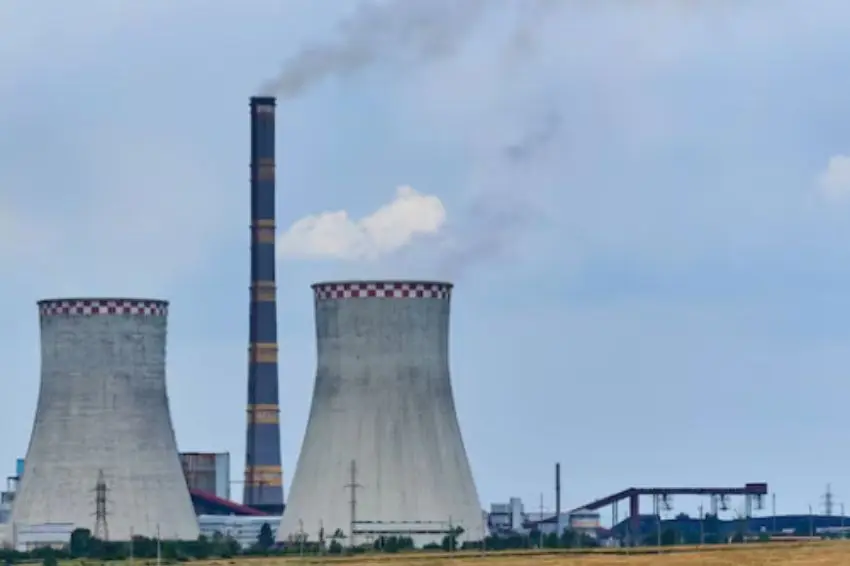
In total, approximately 16,7 GW were contracted for thermal power plants and 2,3 GW for hydroelectric plant expansions, with a predominance of natural gas projects. According to the lawyer, this result also highlights the role of thermal power plants as the main short-term solution for meeting power needs.
“This is a very significant volume of reserve capacity contracting. Thermal power plants were the big winners of the auction, the vast majority of which are new investments. This will mobilize the industry and service sectors,” he highlighted.
Another highlight was the lower involvement of hydroelectric plants in the bidding process. According to the expert, this result is related to the dynamics of the auction and the order in which the products were offered, which favored the contracting of thermoelectric plants.
The lawyer notes that hydroelectric projects were concentrated in longer time horizons, such as 2030, while in the short term there was greater competition between gas and diesel projects, which contributed to the predominance of these sources in the final result.
From a regulatory standpoint, the expert also points out factors that still need to be monitored, such as the discussions at the TCU (Federal Court of Accounts).
For the lawyer, the tax reform This will be an important point of attention, especially since its implementation will occur during the transition of contracts. Ana also highlights that this process can directly influence price formation and generate impacts throughout the entire period of adaptation to the new rules.
You might also be interested in!
The first LRCAP of the year ends with almost 19 GW contracted; see the highlights.
all the content of Canal Solar is protected by copyright law, and partial or total reproduction of this site in any medium is expressly prohibited. If you are interested in collaborating or reusing part of our material, please contact us by email: redacao@canalsolar.com.br.