
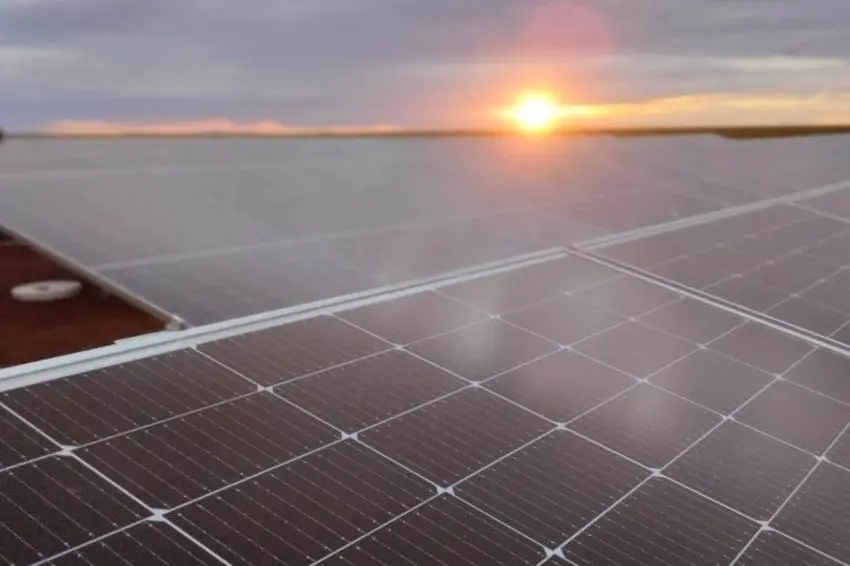
A ANEEL (National Electric Energy Agency) published this Monday (23) the rules for applying the ECR (Complementary Resource Charge) to the electricity bill.
The mechanism could reduce some of the tariff benefits for consumers participating in distributed generation (DG) starting in 2027.
The measure was approved by the Agency's board on November 17.Regulatory Resolution No. 1.176/2026 establishes how distributors should incorporate the charge into billing and inform consumers of its effects.
The percentage that will be applied in 2027 still depends on decisions by... ANEEL Regarding the CDE (Energy Development Account) budget and the calculation methodology of the mechanism.
Access the Normative Resolution No. 1.176/2026.
What is ECR?
Created by Law No. 15.269/2025, the ECR integrates the model for limiting certain subsidies financed by the CDE. This fund gathers resources collected mainly from energy tariffs and finances public policies and benefits in the electricity sector.
Starting in 2027, when the expenditure for a subsidy category exceeds the limit established by law, the excess portion will be covered by the beneficiaries of that category themselves. In the case of electricity bills, this translates to a reduction in the tariff benefit received.
Who might be affected by distributed generation?
The resolution provides for the application of the ECR to the benefits of consumers classified as GD II and GD III, categories subject to the GD transition rules.
For GD I, which includes projects that fall under the previous compensation rules, the tax is only applicable to consumer units served by distributors with a market of less than 700 GWh per year.
This limit refers to the distributor's annual market. The classification of the consumer unit and the origin of the resources that finance the benefit determine the scope of the charge.
How does the charge affect the consumer's economy?
The ECR (Energy Recovery Charge) affects the value of the tariff benefit funded by the CDE (Energy Development Fund). The higher the factor applied, the smaller the portion of this benefit received by the consumer. In a hypothetical example, a consumer with a benefit of R$ 100 subject to the charge would receive R$ 80 if the approved factor were 20%.
The remaining R$20 would correspond to the ECR. The effect on the total savings of a solar system will depend on the value of the benefit achieved and the other billing conditions of the unit.
What changes in the electricity bill?
Distributors will have from January to June 2027 to adapt their systems. During the transition, they may apply the charge by reducing the percentage discount granted to the beneficiary, accompanied by a message on the invoice about the ECR (Environmental Credit Charge).
After this period, the bill must present information that allows identification of the gross benefit, the applied factor, and the charge amount. The distributors' individual digital channels must also provide the calculation details and the history of the factors for verification by the consumer.
What could the percentage be in 2027?
A preliminary estimate of the technical area of ANEEL The CDE budget for 2027 allocated R$ 8,46 billion in subsidies for micro and mini-distributed generation, compared to an estimated limit of R$ 4,03 billion. The difference resulted in a preliminary factor of 52,4% on the micro and mini-distributed generation benefit subject to the mechanism.
This percentage remains a projection. The definition of the factor actually applied will depend on the agency's next decisions regarding the budget and calculation criteria. For consumers and integrators, these decisions will allow them to gauge the impact of ECR on the economy and the financial return of the projects achieved.
all the content of Canal Solar is protected by copyright law, and partial or total reproduction of this site in any medium is expressly prohibited. If you are interested in collaborating or reusing part of our material, please contact us by email: redacao@canalsolar.com.br.



Comments
Comments are moderated before publication.Comments should be respectful and contribute to a healthy debate. Offensive comments may be removed. The opinions expressed here are those of the authors and do not necessarily reflect the views of the author. Canal Solar.