
• Friday, July 17, 2026
Facebook X-twitter Instagram Youtube LinkedIn Spotify
  • GC Solar: 22,51 GW
  • GD Solar: 49,74 GW
  • advertise here
  • About Us
  • Expedient
logo site solar channel
  • News
    • Market & Investments
    • International market
    • Politics & Regulation
    • Projects & Applications
    • Renewable
    • Sustainability & ESG
    • Technology & Innovation
    • Electric Vehicles
  • Articles
    • Opinion Article
    • Manufacturer's Article
    • Technical Article
  • Latam
  • Batteries
  • Blog
  • Solar Energy Companies
    • Integrators
  • Magazine
    • Magazine Canal Solar
    • Conecta Magazine
  • Firmare
  • Courses
  • News
    • Market & Investments
    • International market
    • Politics & Regulation
    • Projects & Applications
    • Renewable
    • Sustainability & ESG
    • Technology & Innovation
    • Electric Vehicles
  • Articles
    • Opinion Article
    • Manufacturer's Article
    • Technical Article
  • Latam
  • Batteries
  • Blog
  • Solar Energy Companies
    • Integrators
  • Magazine
    • Magazine Canal Solar
    • Conecta Magazine
  • Firmare
  • Courses
  • News
    • Market & Investments
    • International market
    • Politics & Regulation
    • Projects & Applications
    • Renewable
    • Sustainability & ESG
    • Technology & Innovation
    • Electric vehicles
  • Articles
    • Opinion
    • technicians
    • Manufacturer Items
  • Latam
  • Blog
  • Solar Energy Companies
  • Integrators
  • Magazine
    • Conecta Magazine
  • About Us
  • Advertise Here
  • CS Consulting
  • Courses
  • International market
  • News
    • Market & Investments
    • International market
    • Politics & Regulation
    • Projects & Applications
    • Renewable
    • Sustainability & ESG
    • Technology & Innovation
    • Electric vehicles
  • Articles
    • Opinion
    • technicians
    • Manufacturer Items
  • Latam
  • Blog
  • Solar Energy Companies
  • Integrators
  • Magazine
    • Conecta Magazine
  • About Us
  • Advertise Here
  • CS Consulting
  • Courses
  • International market
logo site solar channel
Home / Articles / Opinion Article / Brazil needs more than just more energy: it needs flexibility.

Brazil needs more than just more energy: it needs flexibility.

The country has gone from having an energy shortage problem to having a synchronization problem between generation, transmission, and consumption.
Follow on Whatsapp
  • Photo by Marina Meyer Falcao Marina Meyer Falcão
  • July 17, 2026, at 10:36 am
4 min 11 sec read
Brazil needs more than just more energy: it needs flexibility.
Photo: Magnificent

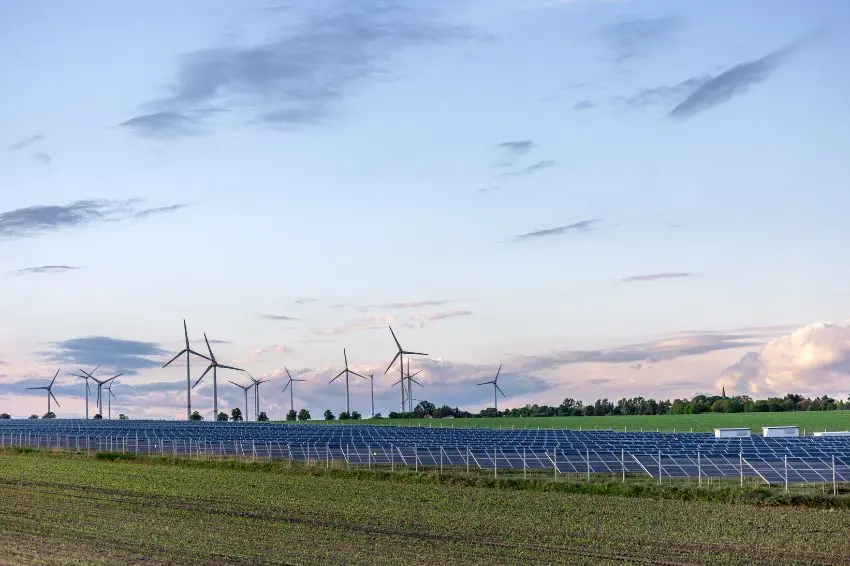
The Brazilian electricity sector is undergoing a historic transformation. In recent years, the country has significantly expanded its generation capacity, driven mainly by renewable sources such as solar and wind power.

However, the current challenges are no longer related solely to the amount of energy produced, but to the system's ability to use it efficiently.

The recent Reserve Capacity Auction contracted approximately 19 GW of power, an important milestone for national energy security. Even so, the PEN 2026 (Energy Operation Plan) prepared by the ONS (National System Operator) projects a risk of power deficit starting in 2027.

At first glance, this situation seems contradictory. How can a country that expands its installed capacity face a power shortage?

The answer lies in the flexibility of the electrical system. Available energy does not mean energy available at the right time. Solar power generation exemplifies this challenge.

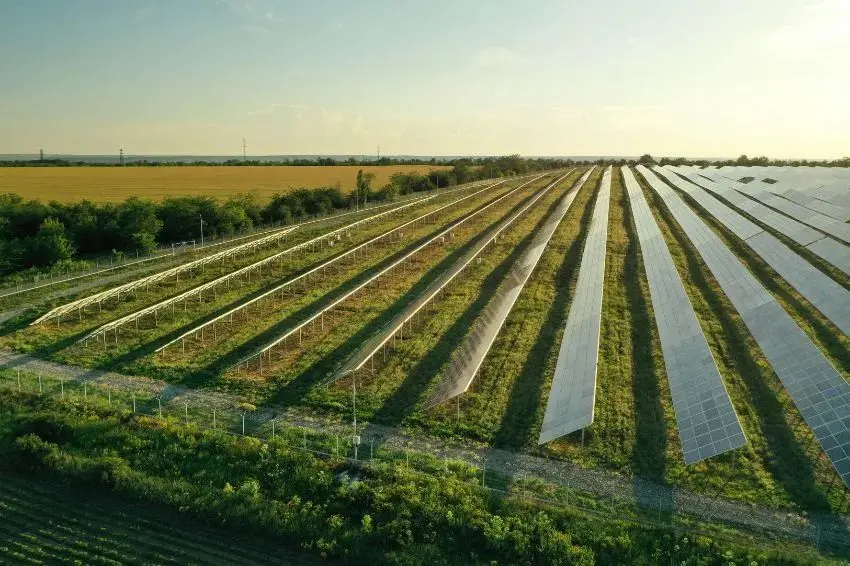
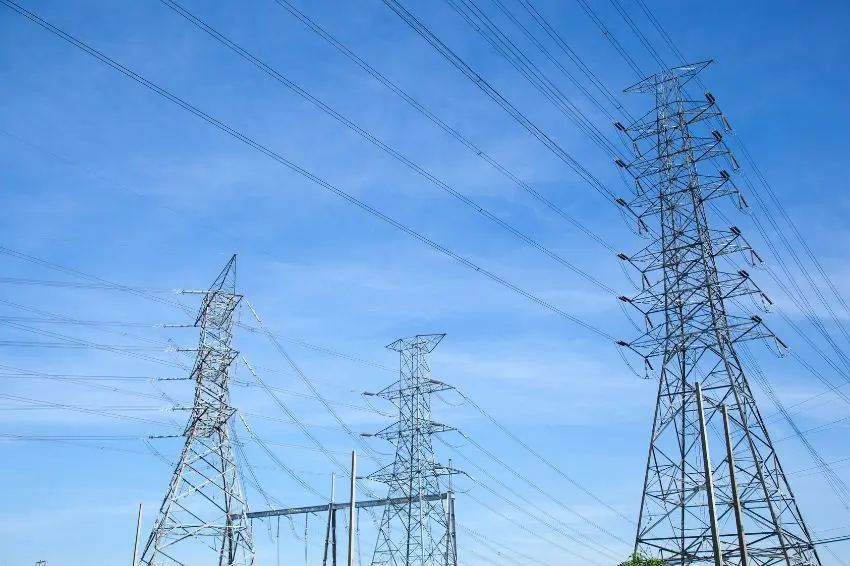
During the period of greatest sunshine, between late morning and early afternoon, Brazil produces enormous volumes of energy. In several regions, this generation exceeds local demand and the capacity of the transmission lines.

The result is the so-called curtailment: the mandatory reduction in generation determined by the ONS (National System Operator)

In other words, power plants that are fully capable of producing energy are forced to reduce their generation due to operational or transmission limitations.

Meanwhile, a few hours later, in the early evening, when photovoltaic generation practically disappears, consumption increases significantly. At that moment, the system needs to resort to hydroelectric, thermoelectric, and other sources capable of responding quickly to the increased demand.

The problem, therefore, is not a lack of energy. The problem is the lack of mechanisms capable of shifting that energy to the moment when it is truly needed.

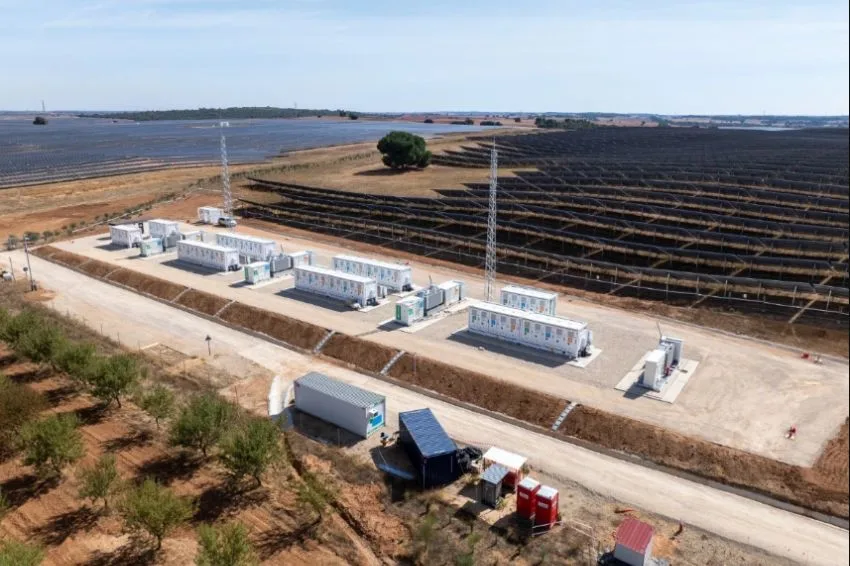
The importance of batteries is highlighted in this context, making the anticipated auction of battery storage systems particularly relevant, as batteries cease to be merely a technological innovation and become a strategic element of Brazilian energy security.

By storing the surplus generated during the day and making it available during peak hours, they contribute to: reducing the curtailment; increase the reliability of the National Interconnected System; optimize the use of transmission networks; reduce the need to dispatch thermoelectric power plants; provide greater economic efficiency to investments in renewable generation.

It's not just about storing energy. It's about adding flexibility, an attribute that becomes as valuable as generation itself.

The regulatory challenge today is enormous, and the sector faces a decisive moment, as the expansion of renewable energy sources demands an evolution of the Brazilian regulatory model. It will be necessary to establish clear criteria for remunerating ancillary services, storage, demand response, and other resources that add flexibility to the system.

Improving the mechanisms related to the treatment of will be of fundamental importance. curtailment, ensuring greater legal predictability for investors and preserving the regulatory security necessary for new projects.

The energy transition does not end with the expansion of renewable sources. It requires a modern regulatory environment capable of recognizing that the reliability of the system depends on both the production and availability of energy at the moment it is demanded.

A new paradigm for the electricity sector is emerging: building a smarter, more resilient, and flexible electrical system, not just building more power plants.

Brazil has one of the cleanest electricity matrices in the world and is exceptionally well-positioned to lead the global energy transition, but in this new energy scenario, the question will no longer be "how much can we generate?" but rather "how can we ensure that this energy is available when society truly needs it?" And it is precisely this answer that will define the next chapters of regulation in the Brazilian electricity sector.

Brazil has gone from having a problem of energy scarcity to having a problem of synchronization between generation, transmission, and consumption.

The electricity grid is becoming increasingly renewable, but market rules and infrastructure were still designed for a predominantly hydroelectric system.

As long as there isn't a combination of: battery storage, transmission expansion, time-of-use tariffs that encourage consumption during periods of excess generation, demand response, and clear criteria for remuneration of flexibility, the country will continue to live with the paradox of shutting down solar power plants at midday and activating thermal power plants in the early evening, even with a large installed capacity. This is, today, one of the main structural challenges of the Brazilian electricity sector.

The opinions and information expressed are the sole responsibility of the author and do not necessarily represent the official position of the author. Canal Solar.

Batteries Curtailment ONS (National Electric System Operator) electric sector
Photo by Marina Meyer Falcao
Marina Meyer Falcão
President of the OAB/MG Energy Law Commission. Professor at PUC in Postgraduate Studies in Solar Energy. Secretary of Regulatory Affairs and Legal Director at INEL. Lawyer specialized in Energy Law. Legal Director at Energy Global Solution. Co-Author of three books on Energy Law. Member of the Chamber of Energy, Oil and Gas of the Federation of Industries of the State of Minas Gerais. Former superintendent of Energy Policies for the State of Minas Gerais.
PreviousPrevious

Leave a comment Cancel reply

Your email address will not be published. Required fields are marked with *

Comments should be respectful and contribute to a healthy debate. Offensive comments may be removed. The opinions expressed here are those of the authors and do not necessarily reflect the views of the author. Canal Solar.

News from Canal Solar in your Email

Posts

The energy of the future: the silent revolution of microgrids.

The energy of the future: the silent revolution of microgrids.

Energy of the future: storing energy is much more than just a battery.

Energy of the future: storing energy is much more than just a battery.

More news

Read More
Canal Solar - MME brings forward work on transmission line to add 5 GW to the SIN (National Interconnected System). 

MME brings forward work on transmission line to add 5 GW to the SIN (National Interconnected System). 

Canal Solar - Ceará approves regulatory framework to attract data centers and battery projects.

Ceará approves regulatory framework to attract data centers and battery projects.

The inclusion of batteries in rural credit faces regulatory challenges.

The inclusion of batteries in rural credit and the regulatory challenges.

It is a news and information channel about the photovoltaic solar energy sector. Channel content is protected by copyright law. Partial or total reproduction of this website in any medium is prohibited.

Facebook X-twitter Instagram Youtube LinkedIn Spotify

Site Map

Categories

  • News
  • Articles
  • Interviews
  • Consumer Guide
  • Authors
  • Videos
  • Projects
  • Magazine
  • Electric Vehicles

Channels

  • About Us
  • Contact
  • Privacy
  • Quality Policy
  • Work with us
  • Expedient
  • advertise here

Membership and certifications

Copyright © 2026 Canal Solar, all rights reserved. CNPJ: 29.768.006/0001-95 Address: José Maurício Building – Mackenzie Avenue, 1835 – Floor 3, – Vila Brandina, Campinas – SP, 13092-523

We use cookies to make your experience on this site better Find out more about the cookies we use or turn them off in your .

Receive the latest news

Subscribe to our weekly newsletter

Fill in the information above and receive your free copy of Canal Solar magazine.

Canal Solar
Powered by  GDPR Cookie Compliance
Privacy

This website uses cookies so that we can provide you with the best user experience possible. Cookie information is stored in your browser and performs functions such as recognizing you when you return to our website and helping our team to understand which sections of the website you find most interesting and useful.

Cookies strictly required

Strictly Necessary Cookie should be at all times so that we can save your preferences for cookie settings.

Cookies for third parties

This website uses Google Analytics to collect anonymous information such as the number of visitors to the site, and the most popular pages.

Keeping this cookie enabled helps us to improve our website.