
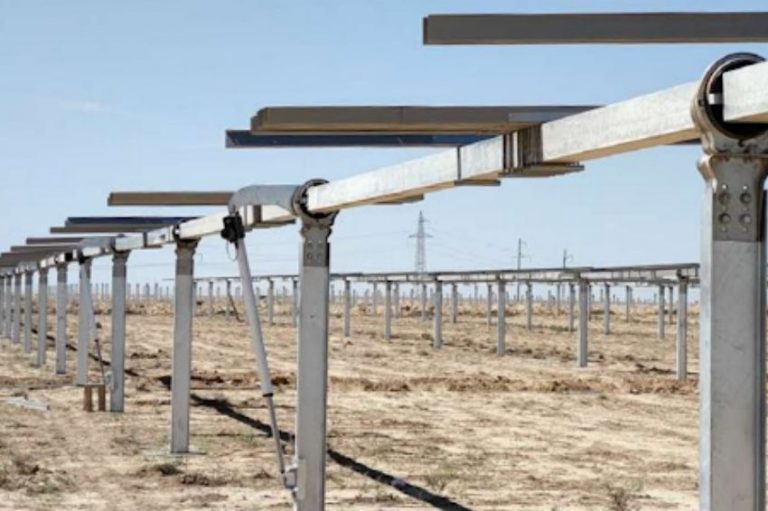
Article was produced and adapted from technical materials provided by TrinaTracker
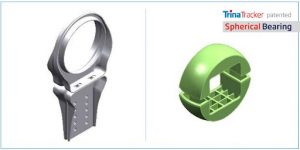
TrinaTracker, a business unit of Trina Solar, released an article titled “TrinaTracker spherical bearing: unique three-dimensional patented component”.
The document highlights the advantages of the unique bearing system with spherical geometry, which provides long-term external reliability, proven through rigorous functional tests.
O white paper describes the advantages of spherical bearings over conventional cylindrical bearings, demonstrated by various tests in real installations.
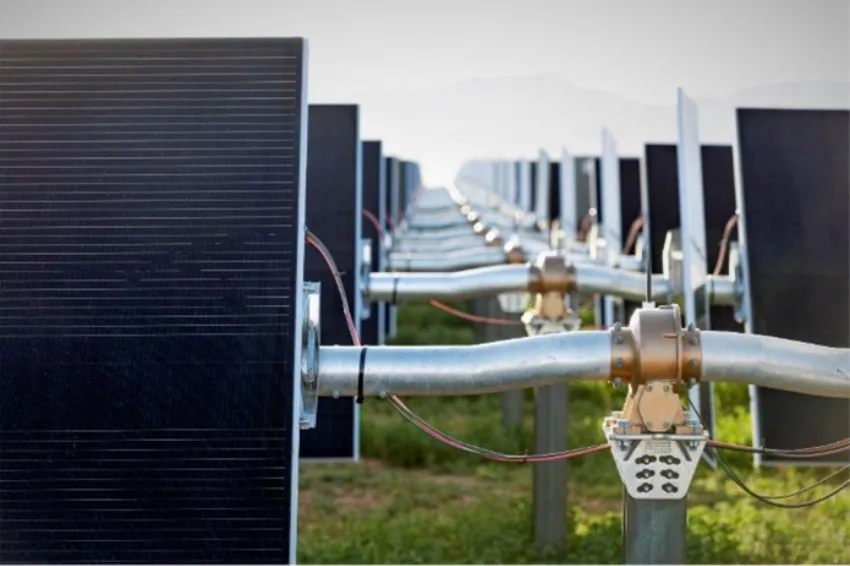
The three-dimensional articulation technology of TrinaTracker improves adaptability to the terrain and eliminates the risk of misalignment and additional forces that create extra friction.
Furthermore, the assembly of spherical bearings reduces installation times and costs and does not require any maintenance during the operation phase of the installation. According to white paper, the spherical bearing has proven to be reliable for more than ten years and has already been tested in more than 6 GW of solar plants.
An example of its long-term efficiency is the 11 MW plant installed in Zaragoza (Spain), where the first spherical bearings were installed. Since the interconnection of this photovoltaic plant in 2008, no cases of bearing failure have been reported.
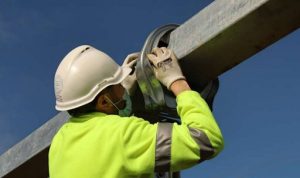
Compared to traditional cylindrical bearing solutions, Trina Tracker's patented spherical bearings allow misaligned installations and withstand torsional stresses and axial forces that occur during solar plant operation.
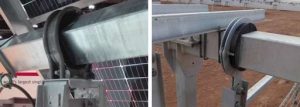
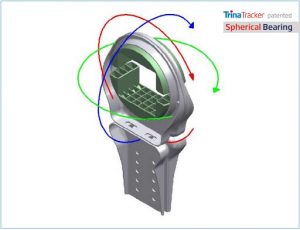
Advantages of the new system, according to the manufacturer:
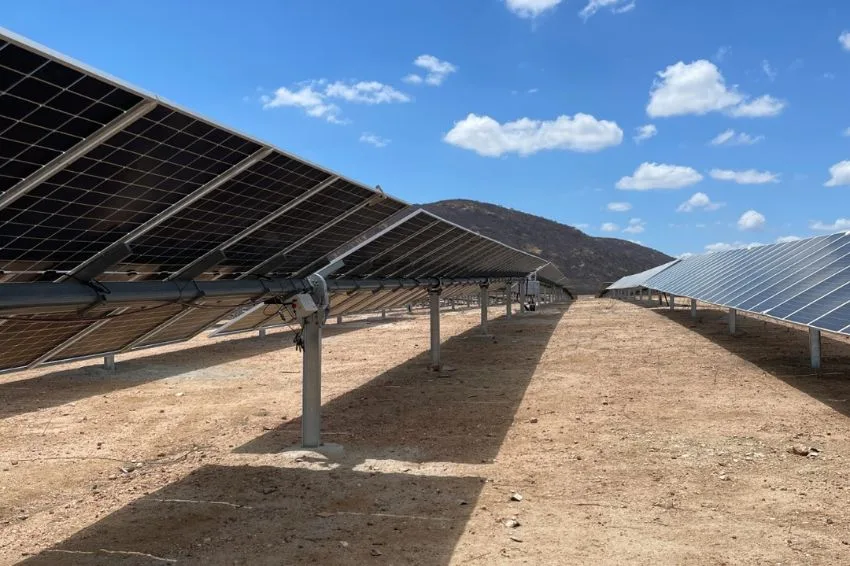
- Better performance on inclined terrain. The bearing can absorb the efforts caused by the inclination of the tracker axis, according to the geometry of the terrain
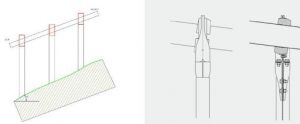
- Better absorption of efforts caused by the torsion of the tracker axis;
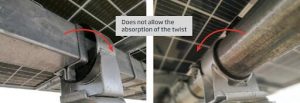
- Prevention of bearing escape from the cavity due to mounting deviations or longitudinal torques;
- Resistance to axial loads;
- Self-adjustment capacity, without the need for rigorous alignment during the assembly phase;
- 50% reduction in costs and assembly time.
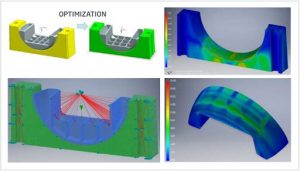
The advantages mentioned by the manufacturer were determined based on computational analyzes (as illustrated in the figure below) and tests on large solar plants built on rough terrain, such as Tongchuan, in China, with an installed capacity of 250 MW.

O white paper Trina Solar's original can be found at website Canal Solar.