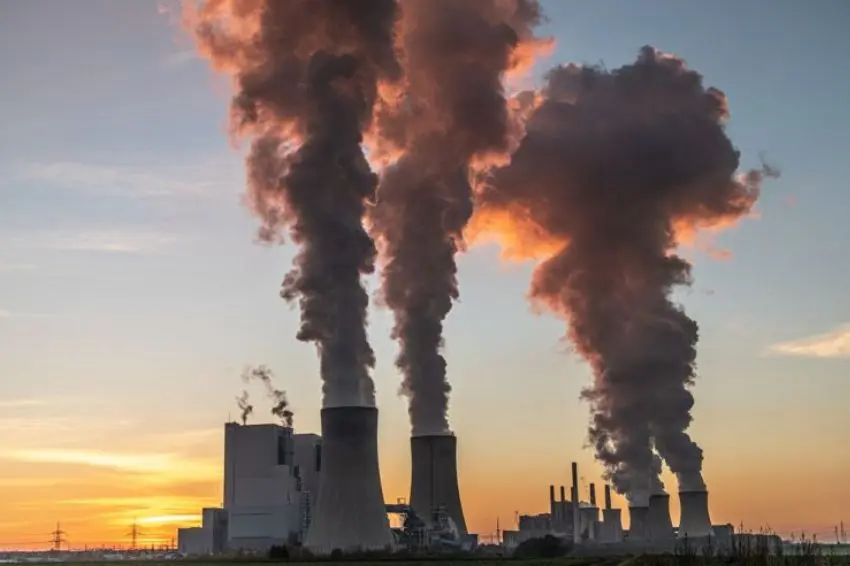

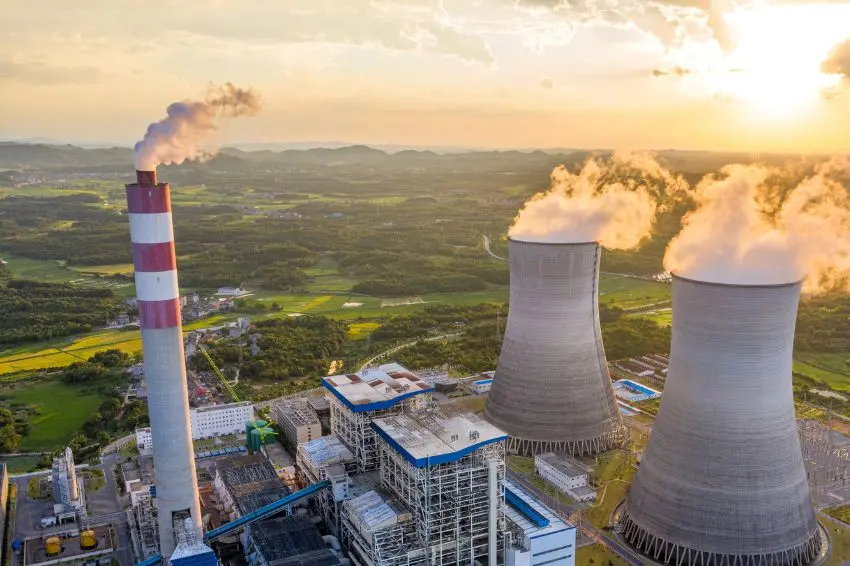
The world will build more coal-fired power plants in 2025, but will reduce electricity generation from the fossil fuel in the same period, shows a study published this Thursday (21) by GEM (Global Energy Monitor) – an international organization that monitors energy projects around the world.
According to the report, global installed coal-fired power generation capacity grew by 3,5% in 2025, while actual electricity generation from the source fell by 0,6%. In practice, this means that new plants were built, but they started operating for fewer hours throughout the year.
Despite appearing contradictory, the study indicates that the data reflect a structural change in the functioning of the global electricity sector, driven mainly by the accelerated advancement of renewable sources and energy storage systems.
The trend was observed primarily in China and India, countries that currently account for the majority of new coal-fired power projects worldwide. According to GEM, the expansion of solar and wind power generation has begun to meet a large part of the new electricity demand in these markets, reducing the need to dispatch fossil fuel power plants.
In China, for example, coal-fired generation fell by 1,2% in 2025, even with a 6% increase in installed thermal power plant capacity. According to the study, in that country "record additions of solar and wind power met 94% of the net growth in electricity demand in 2025 without requiring additional coal-fired generation."
In India, coal-fired generation fell by 2,9%, while installed capacity increased by 3,8%. The report points out that the growth in solar generation mainly reduced thermal dispatch during the daytime, reflecting a structural change in the operational dynamics of the Indian electricity system.
Coal begins to act as "insurance" for the system.
The report states that thermal power plants are ceasing to occupy the central role in continuous electricity generation and are increasingly functioning as a kind of "operational reserve" for times of greater stress on the electrical system.
According to GEM, many coal-fired power plants continue to be kept operational for reasons related to energy security and operational reliability, even though they operate fewer hours and face a gradual loss of economic competitiveness compared to renewables.
"Coal is no longer being maintained as the primary source of generation, but as a form of insurance for the system," the report highlights.
Storage takes center stage.
The study also shows that advances in batteries are beginning to alter the traditional logic of expanding the world's electrical infrastructure.
In China, for example, 74 GW of storage capacity were added by 2025 – a volume greater than the country's own peak electricity demand growth during that period, estimated at 55 GW.
According to the report, storage technologies and demand response mechanisms tend to offer more efficient solutions for operational flexibility than the continuous expansion of coal-fired power plants.
The document also states that coal-fired power plants have significant technical limitations for operating flexibly in systems increasingly dominated by variable renewable sources.
"Even with operational adaptations, coal-fired power plants remain limited by the physics and design of thermal cycles," the study points out.
Renewables advance even with the continued use of coal.
Despite the growth in installed thermal power capacity in some markets, the report concludes that the accelerated advancement of renewables is already beginning to structurally alter the operational space of fossil fuels in the global electricity sector.
According to GEM, the main discussion for the coming years will no longer be the technological feasibility of replacing coal, but rather the permanence of public policies and regulatory mechanisms that continue to economically support some of these power plants.
all the content of Canal Solar is protected by copyright law, and partial or total reproduction of this site in any medium is expressly prohibited. If you are interested in collaborating or reusing part of our material, please contact us by email: redacao@canalsolar.com.br.