
Coinfra/CNI (Infrastructure Council of the National Confederation of Industry) expressed concern on Tuesday (17) about the escalation of the conflict involving the United States, Israel and Iran, in addition to the closure of the Strait of Hormuz – a strategic route for global energy trade.
In a technical note sent to the industrial base, the entity states that the war in the Middle East should generate significant impacts on production chains, especially in the oil, natural gas and transportation markets, with direct repercussions on the Brazilian economy.
According to Coinfra/CNI, the price of natural gas in Brazil is already among the highest in the world, which compromises the competitiveness of industry. With the additional restrictions caused by the conflict, the trend is for this scenario to worsen.
The entity also highlights that several quarterly natural gas contracts may be subject to adjustments starting May 1, 2026. If the price war persists until then, the expectation is that cost pressures on industry and the economy as a whole will intensify, since oil influences various production chains.
"It's time to discuss measures to minimize the potential increase in these input costs, in order to protect consumers and the Brazilian economy, ensuring the maintenance of the industry's competitiveness," stated the president of Coinfra/CNI, Alex Dias Carvalho.
More expensive thermal power plants and impaired LRCAP
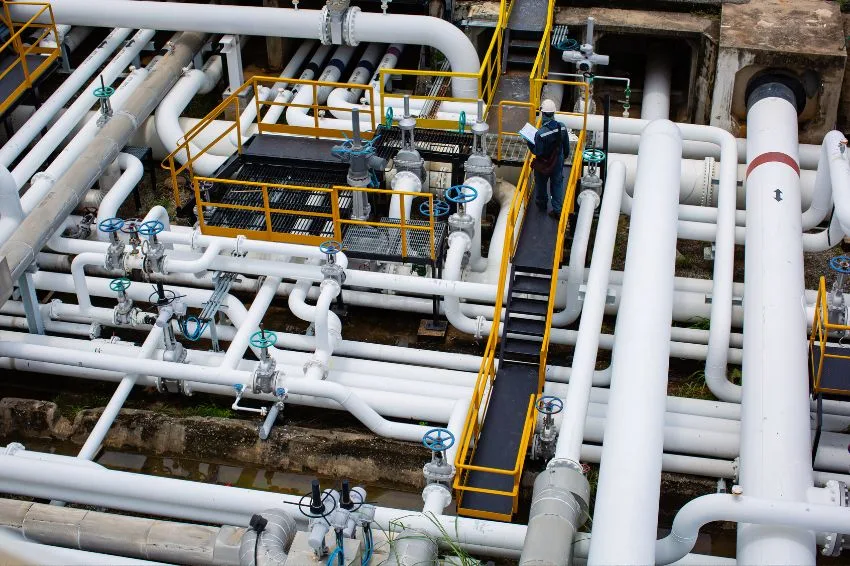
In the energy sector, one of the main concerns raised by the organization is the increase in the cost of power generation at hydroelectric plants. gas-fired power plants"Around 178 natural gas-fired thermal power plants may face increased costs due to the conflict in the Middle East," highlights Coinfra/CNI.
Currently, thermal power plants account for 19 GW of installed capacity, equivalent to 9% of the national electricity matrix. In this scenario, there may be pressure on the costs of electricity generation in the country and, consequently, an impact on the tariffs paid by consumers, especially during periods of greater use of thermal plants.
Coinfra/CNI also warns of potential impacts on future contracts in the electricity sector, especially in the LRCAP (Capacity Reserve Auction). According to the entity, volatility in the LNG (liquefied natural gas) market increases the perceived risk for projects that depend on the fuel and seek viability in the auction.
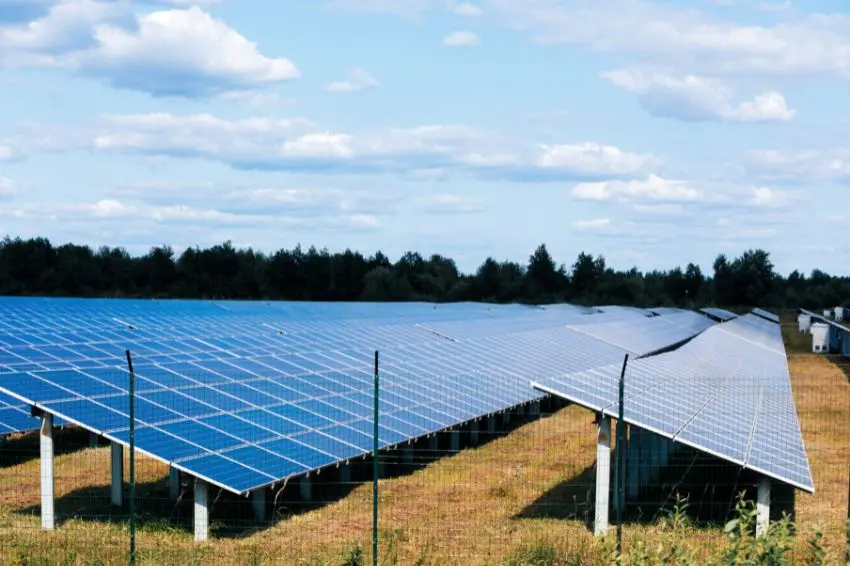
War and high oil prices are driving global investment in solar energy.
all the content of Canal Solar is protected by copyright law, and partial or total reproduction of this site in any medium is expressly prohibited. If you are interested in collaborating or reusing part of our material, please contact us by email: redacao@canalsolar.com.br.