
The expansion of resources from the Inovagro financing line, announced this Wednesday (17) by MAPA (Ministry of Agriculture, Livestock and Supply) during the launch of the 2020-2021 Harvest Plan, will boost the use of photovoltaic solar energy by rural producers in Brazil. This is the analysis of Rodrigo Sauaia, CEO of ABSOLAR (Brazilian Photovoltaic Solar Energy Association).
According to the federal government, around R$2 billion will be allocated to innovation projects in the field, an increase of 33,3% compared to the previous period. “The opportunity for solar energy in agribusiness is enormous and the interest of rural producers in the solution is growing more and more. Therefore, ABSOLAR recommended to MAPA to expand access to credit for photovoltaic systems in the field. The new Harvest Plan took an important step in this direction, allocating more resources to rural producers to facilitate access to the technology”, said Sauaia.
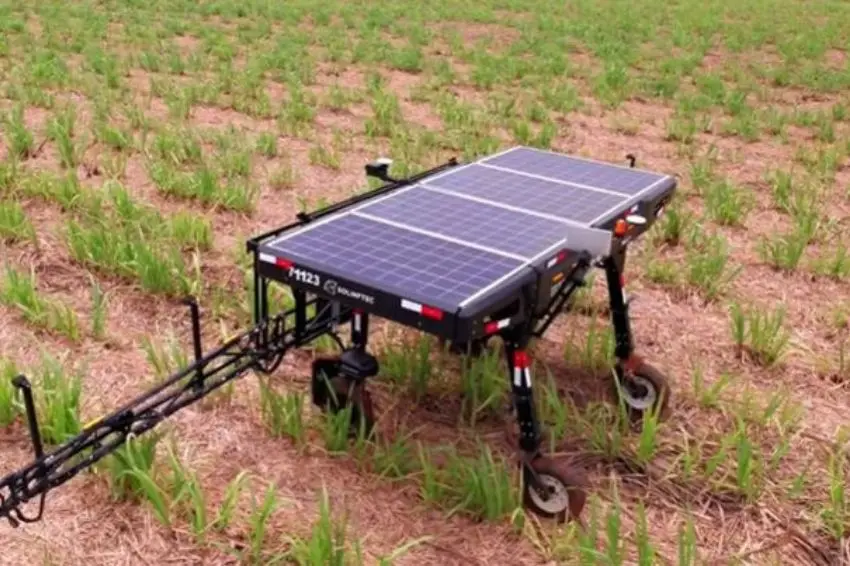
The executive also highlights that the synergy between agribusiness and photovoltaic solar is immense, with diverse applications in rural production. “The technology is extremely versatile and can be used, for example, in pumping and irrigating water, refrigerating meat, milk and other products, regulating temperature for poultry and chicken production, lighting, electric fences , in telecommunications systems, in rural property monitoring, among many other features”, he explains.
Investments
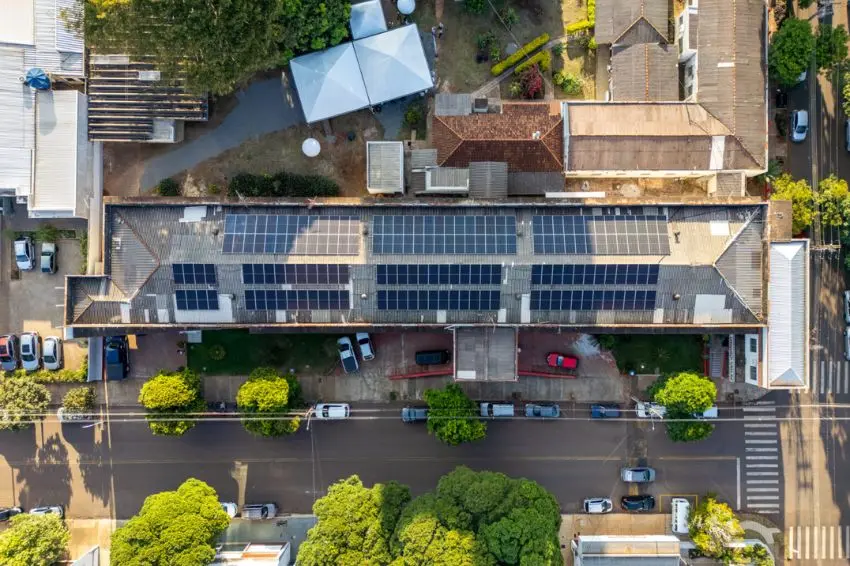
According to ABSOLAR, investments in solar energy in rural properties already exceed R$ 1,7 billion in Brazil. Rural producers currently represent 11,7% of the installed power in photovoltaic distributed generation in the country.
Advantages of solar energy for rural producers
For Ronaldo Koloszuk, Chairman of the Board of Directors of ABSOLAR, the use of solar energy brings several competitive advantages to rural producers. “Photovoltaic technology reduces electricity costs, increases electrical safety, protects consumers against increases in electricity rates, increases the supply of electricity on rural properties, makes production in the field cleaner and more sustainable, and adds value to the rural producer’s brand,” he comments.
Harvest Plan 2020-2021
The federal government launched, this Wednesday (17) at Palácio do Planalto, the 2020-2021 Harvest Plan, which will have R$236,3 billion to support national agricultural production, an increase of R$13,5 billion in relation to the previous plan. Financing can be contracted from July 1, 2020 to June 30, 2021.
Of the total, R$179,38 billion will be allocated to funding and marketing (5,9% above the value of the last harvest) and R$56,92 billion will be allocated to investments in infrastructure (an increase of 6,6%).