

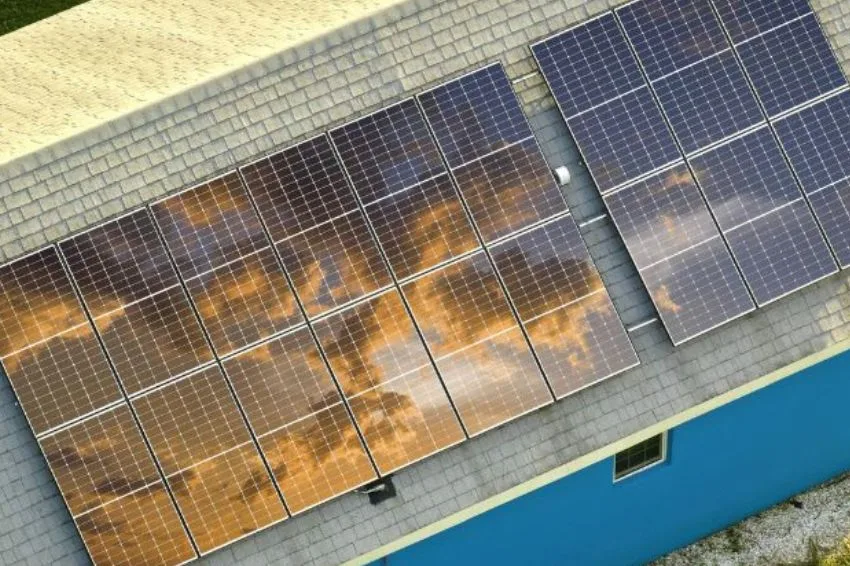
The main entities in the solar energy sector reacted to the Ministry of Finance's proposal to bring forward the charge for the use of the electricity grid — the so-called “fio” — for consumers who installed photovoltaic systems before the transition rule of Law 14.300/2022, the Legal Framework for DG (distributed generation).
The measure, introduced through an amendment to Provisional Measure 1.304/2025, was classified as a legal and economic setback. If the bill advances in Congress, consumers with their own generation systems will gradually begin paying for grid usage starting in 2026, with the transition completed in 2029—contrary to the acquired right to full credit offsetting until 2045.
The institutions unanimously state that the measure creates legal uncertainty and undermines the confidence of consumers and investors who have embraced solar energy under rules clearly defined by Law 14.300.
ABSOLAR alert for flaws in the Treasury's analysis
In an interview with Canal Solar, the CEO of ABSOLAR (Brazilian Association of Photovoltaic Solar Energy), Rodrigo Sauaia, said that the Ministry of Finance's proposal “is not comprehensive” and disregards fundamental technical data of the sector.
"It's concerning that the Ministry of Finance issued a technical note that, in our view, wasn't comprehensive. There were statements that don't match the facts, including unfounded figures about return on investment. Talking about a 48% return is absurd—anyone familiar with the sector knows that this figure is unfounded," Sauaia stated.
He emphasized that the document ignores the economic and environmental benefits of DG and offers a partial assessment of the impacts. "An analysis based on only one side of the coin is neither fair nor balanced. We hope the National Congress has the wisdom to draft a balanced text, ensuring legal certainty and avoiding setbacks to investments made by society," he added.
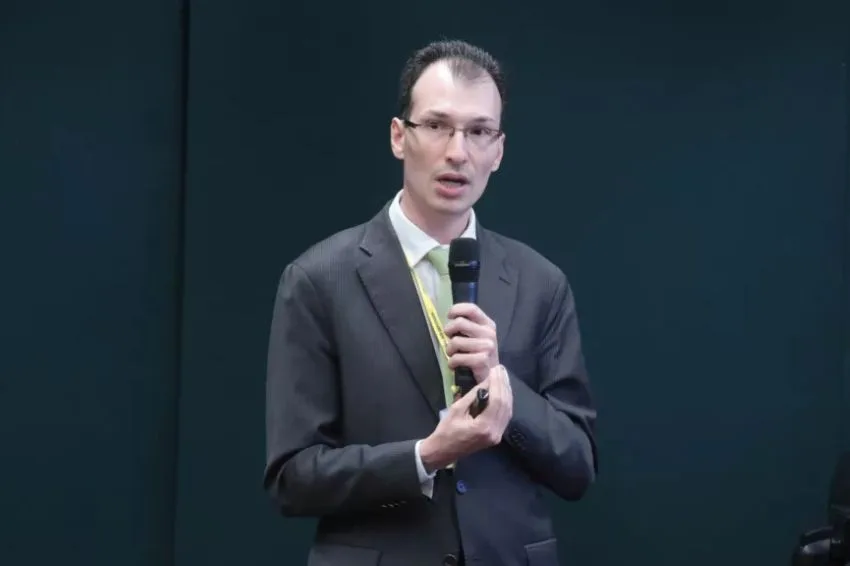
The leader also highlighted that the ABSOLAR supports amendment no. 9 of MP 1304 by Senator Fabiano Contarato (PT), which seeks to correct problems with generation cuts at large solar plants and allow compensation for affected generators.
Furthermore, Sauaia pointed out that there are opportunities for advancement within the MP, especially with the inclusion of a legal framework for energy storage, supporting amendment No. 355 by Congressman Arnaldo Jardim (Cidadania).
“Storage is a strategic part of the solution to the challenges of the electricity sector and can bring investment, jobs and more flexibility to the operation of the system,” said the executive from ABSOLAR.
ABGD speaks of “unjustified setback”
In a note sent to the press, ABGD (Brazilian Association of Distributed Generation) classified the Ministry of Finance's proposal as “serious and unjustified”, stating that the position is based on a mistaken and technically incorrect premise, by ignoring the legal, economic and social nature of DG in Brazil.
"It's crucial to highlight that Law 14.300, approved by Congress with 476 votes in favor and only three against, established the Legal Framework for DG and, therefore, legal certainty for consumers who invested out of their own pockets in the installation of solar panels. And, contrary to what the Ministry of Finance is trying to suggest, there is no subsidy for DG, because there is no cost to the National Treasury," the association stated.
The entity also lamented that the Ministry of Finance, instead of “recognizing the transformative role of GD”, is adopting a “subservient stance to the interests of large economic groups”, acting as a “scribe of minority groups” and not as “guardian of the interests of the energy-consuming population”.
“The rhetoric of so-called 'tariff justice' has been used as a smokescreen to justify setbacks and recentralize the electricity sector, to the benefit of a few and to the detriment of society (…) ABGD reiterates that any reform of the electricity sector must be guided by dialogue, predictability and justice — not by submission to concentrated interests or by the drive for revenue”.
INEL states that GD is the consumer's asset
INEL (National Institute of Clean Energy) pointed out that the Ministry of Finance's proposal ignores central aspects that guarantee predictability, trust and sustainability for consumers and investors who believed in the DG Legal Framework.
“Law No. 14.300, approved by the National Congress, not only established clear rules for micro and mini distributed generation, but also represented a commitment by the Brazilian State to legal certainty,” highlighted Heber Galarce, president of the Institute.
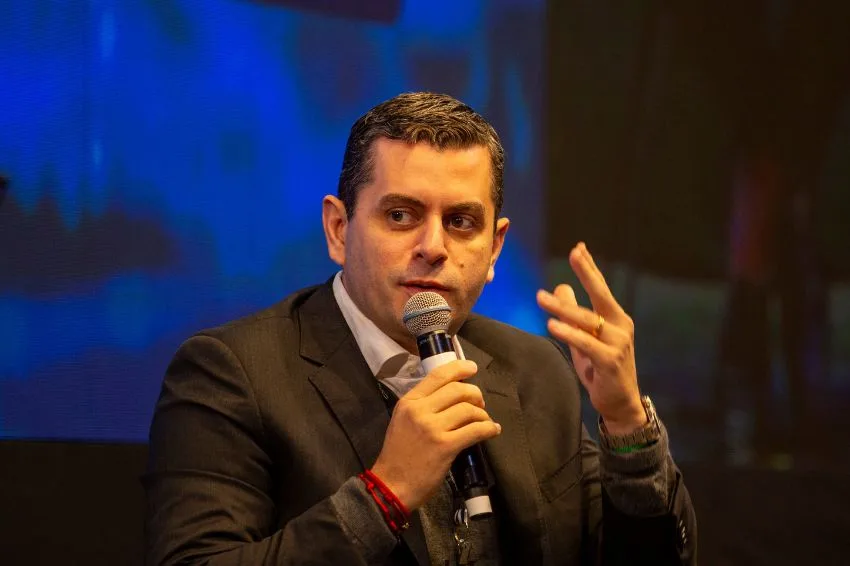
The executive emphasizes that, contrary to the perception that GD would be a subsidy, it is a private investment that does not generate a burden on the National Treasury.
"DG contributes to the diversification of the energy matrix, reduces electrical losses, relieves the burden on the transmission system, generates local jobs, and drives the energy transition. Bringing forward the end of its incentives weakens this movement and reduces confidence in stable public policies," Galarce emphasized.
The president of INEL also reinforced that the debate on tariff justice must be conducted in a broad and balanced manner, without creating setbacks that compromise consumers' acquired rights.
"It is possible to build solutions that ensure the economic balance of the electricity sector without discouraging innovation and the democratization of access to clean energy," he highlighted.
"We reiterate our commitment to working together to ensure that ongoing reforms advance through dialogue, predictability, and a focus on the public interest. Digital generation is a heritage of Brazilian society and must be preserved as a driver of competitiveness, sustainability, and social justice," Galarce concluded.
all the content of Canal Solar is protected by copyright law, and partial or total reproduction of this site in any medium is expressly prohibited. If you are interested in collaborating or reusing part of our material, please contact us by email: redacao@canalsolar.com.br.



An answer
We need to get rid of these ideas about compensating disconnected power plant owners to maintain system security. When you enter the business, you already know the risk; nobody here is a child. If there's no way to stay connected, you haven't injected anything into the grid and you have nothing to receive.
If you think it's bad, close the company and go work as an employee.
Enough of these bloodsuckers in the electrical system; there are too many people receiving pay and too few working.