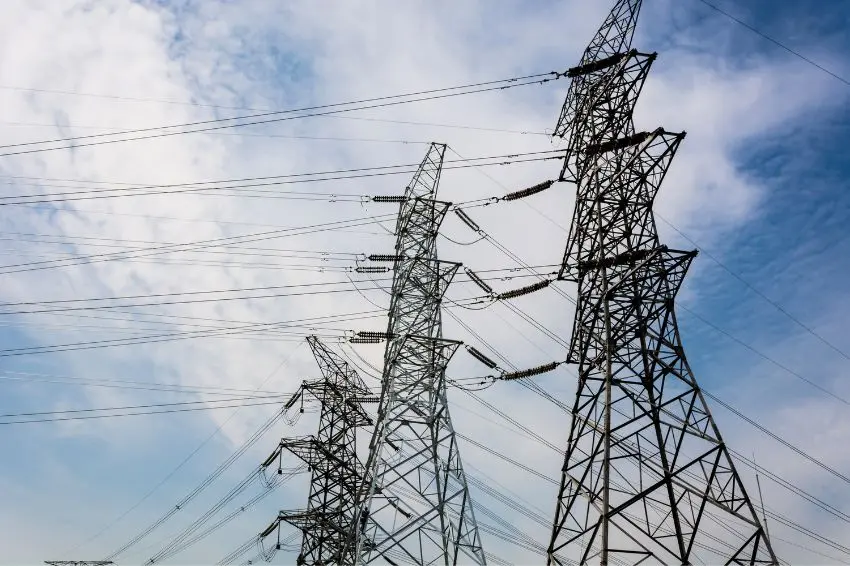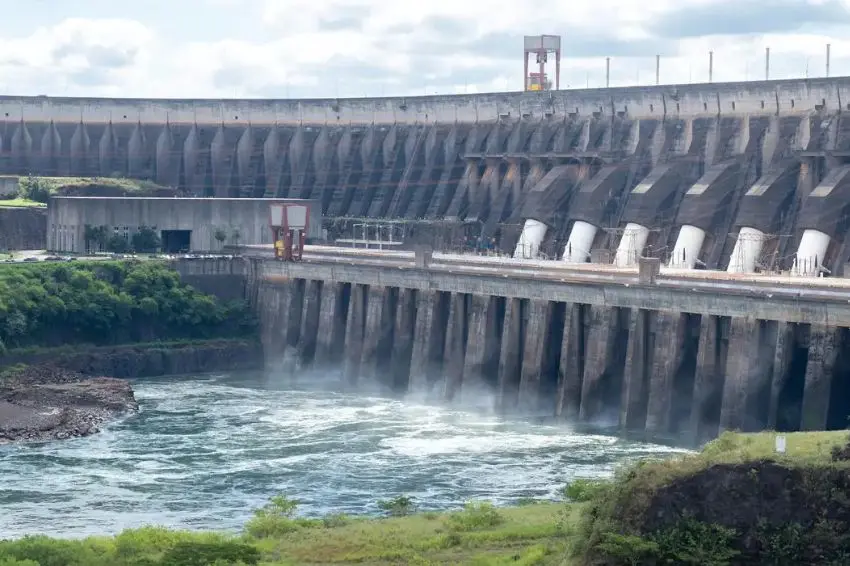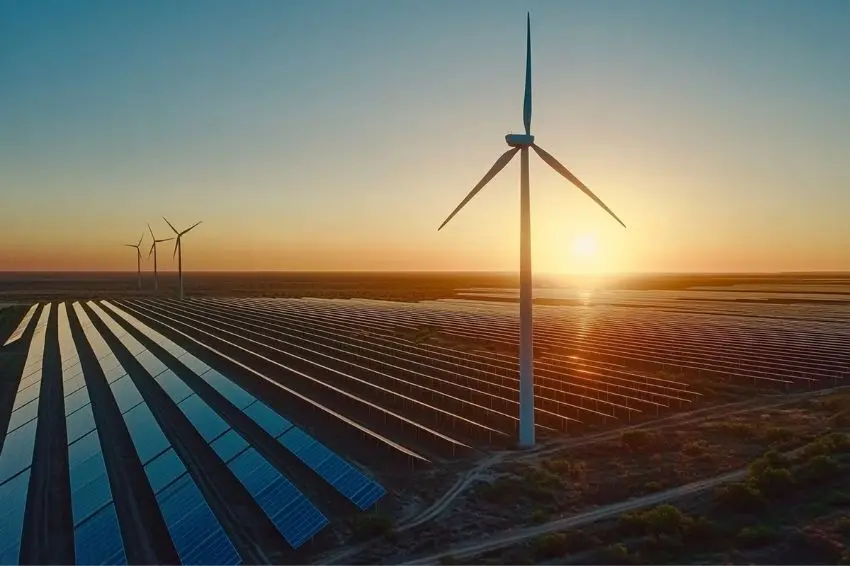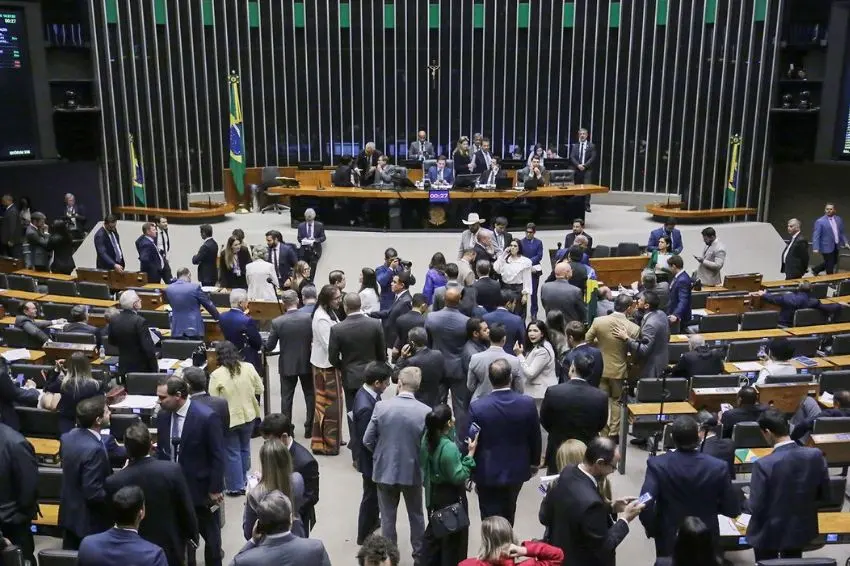

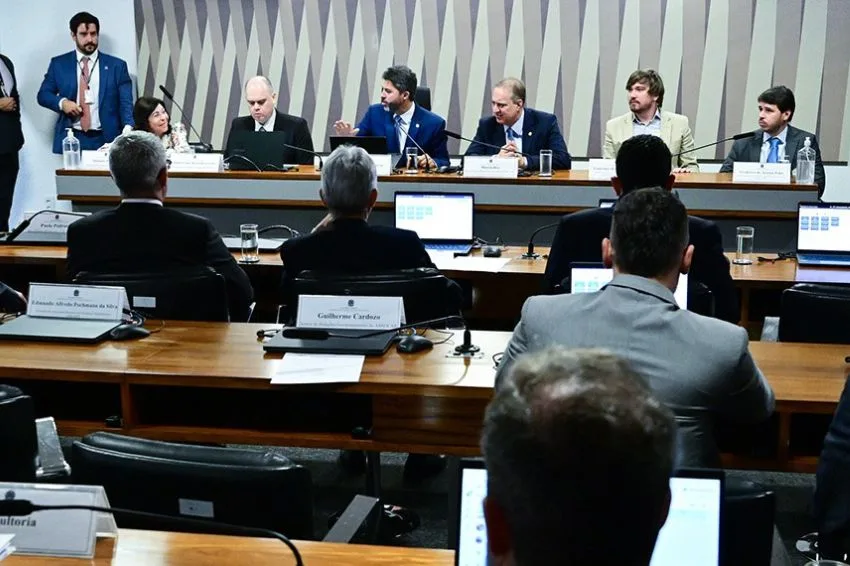
The cuts in power generation — known as curtailment — were the central theme of the public hearing of the CI (Infrastructure Committee) of the Federal Senate, held this Tuesday (30).
The meeting brought together representatives of entities, experts and parliamentarians to discuss the impacts of the mechanism, used by the ONS (National Electric System Operator) when there are limitations in the grid or other restrictions that prevent the full dispatch of plants.
According to ONS Director General Márcio Rea, the operation of the national electricity system has become increasingly complex due to the accelerated growth of intermittent sources, such as solar and wind, above the rate initially predicted.
"Currently, we lack the technical and regulatory mechanisms to implement this regulation, and we see an increasingly challenging future scenario. Projections indicate that by 2029, only 45% of the country's installed generation capacity will be under the coordination of the ONS," he said.
During the session, representatives of ANEEL (National Electric Energy Agency) highlighted that the rapid expansion of renewables has brought additional challenges to the sector. Abrage (Brazilian Association of Electric Energy Generating Companies) classified the scenario as a "disorderly expansion" of the energy matrix.
The FNCE (National Front of Energy Consumers) argued that the costs cannot be passed on to the population. Along the same lines, Apine (Brazilian Association of Independent Electricity Producers) warned that curtailment affects all generation sources, disrupts contracts and compromises the attractiveness of new investments.
Power outages cause estimated losses of R$3,2 billion in 2025
Paths under discussion
During the hearing, representatives from the MME (Ministry of Mines and Energy) reported that measures are underway in the country to mitigate the cuts, such as tenders for the installation of compensators in the Northeast Region, in addition to new expansions in the transmission system planned for 2026 and the possibility of exporting energy to Argentina and Uruguay as a way of absorbing generated surpluses.
Structural proposals
INEL (National Institute of Clean Energy), in turn, advocated long-term measures to rebalance the sector. Among the suggestions presented by the organization's president, Heber Galarce, are advances in energy storage and incentives for residential batteries.
He also proposed the creation of an emergency technical group, with a 90-day deadline, to build minimum consensus. "We can't treat structural reforms as a game of temporary measures. The sector needs stability, planning, and consensus to reduce costs, provide predictability for investments, and deliver cleaner, more affordable energy to consumers," he stated.
Next Steps
Given the complexity of the issue, the committee chairman, Senator Marcos Rogério (PL-RO), announced that the Senate will hold at least four new technical debates on the topic. The objective will be to assess the contractual, tariff, and regulatory impacts, as well as seek alternatives to reduce the billion-dollar losses that curtailment has already caused harm to the sector and society.
all the content of Canal Solar is protected by copyright law, and partial or total reproduction of this site in any medium is expressly prohibited. If you are interested in collaborating or reusing part of our material, please contact us by email: redacao@canalsolar.com.br.