
With the growing demand for renewable and cheap energy, the challenges imposed by global politics have brought to the fore the issue of new technologies in the new era of energy transition, now desired by all leaders – which has become a priority for all countries.
The themes of open energy, energy security and artificial intelligence have never been as important as they are now in this current moment of insertion of new technologies into the global energy matrix.
The energy transition is reshaping global geopolitics, creating new poles of power and allowing countries rich in natural resources, such as Brazil, to strengthen their energy self-sufficiency.
We can list the main geopolitical impacts of the energy transition, such as the reduction of dependence on fossil fuels, which have meant that countries that previously depended on oil and gas imports can become more independent with renewable energies (solar, wind, biomass, green hydrogen).
For example, the European Union seeks to reduce its dependence on Russian natural gas with massive investments in renewables.
Thus, the rise of new energy leaders, such as Brazil – which can become a major exporter of green hydrogen and consolidate its leadership in bioenergy and renewable energy – is the main pillar for the assertive energy transition that has been planned for years by Brazil.
Conversely, countries traditionally dependent on oil exports (such as Saudi Arabia and Russia) will need to diversify their economies to maintain their energy relevance and reconfigure their renewable energy markets.
At the same time, nations with sustainable energy production capacity can become major export hubs for electricity, synthetic fuels and more clean, affordable, renewable technology.
Brazil, for example, with its predominantly renewable electricity matrix (hydroelectric, solar, wind and biomass), has greater resilience in the face of fluctuations in the global oil and gas market, as well as being well positioned in the energy transition, due to essential factors, such as:
- The Brazilian energy matrix is quite clean, and around 80% of Brazilian electricity comes from renewable energy sources;
- There is enormous potential for exporting green hydrogen – taking advantage of solar energy and wind sources – both of which are competitive compared to other alternatives;
- Brazil currently holds a very important leadership position in biofuels such as ethanol and biodiesel, which could replace fossil fuels in the transportation sector;
- There are large strategic reserves of critical minerals: such as lithium and nickel, essential for batteries and the electrification process.
The new era of energy transition also involves making energy and personal data available (in an accessible and standardized way), with the aim of encouraging collaboration between governments, companies, startups and researchers.
Open data helps identify trends, optimize energy systems and develop new technologies, reducing costs and accelerating the transition to clean sources.
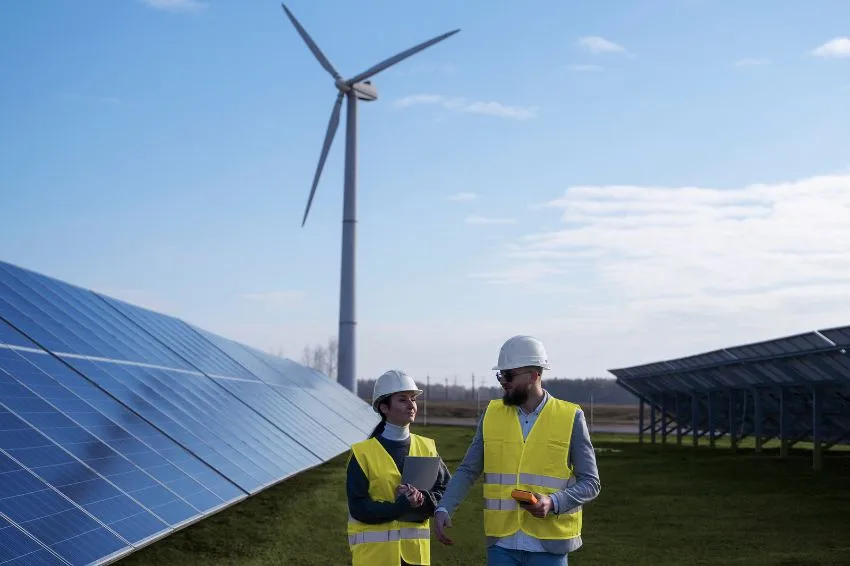
At the same time, the energy transition is a fundamental process for reducing carbon emissions and promoting sustainability in the new technologies sector, since it involves replacing fossil fuels (such as oil and coal) with renewable energy sources: such as solar, wind, green hydrogen and biomass.
This movement is not just about a change in the energy matrix, but also a structural redesign of the economy and global energy markets.
New technologies are essential to enable this transition, as they increase equipment efficiency, reduce costs and enable the integration of renewable energy. Some of the most relevant innovations include:
Energy Storage:
- High capacity lithium-ion batteries;
- Solid state batteries;
- Green hydrogen as an energy vector.
Digitalization and Artificial Intelligence
- Smart grids;
- Optimization of energy generation and distribution by AI;
- Smart meters for consumption deficiency.
Distributed Generation and Self-Consumption
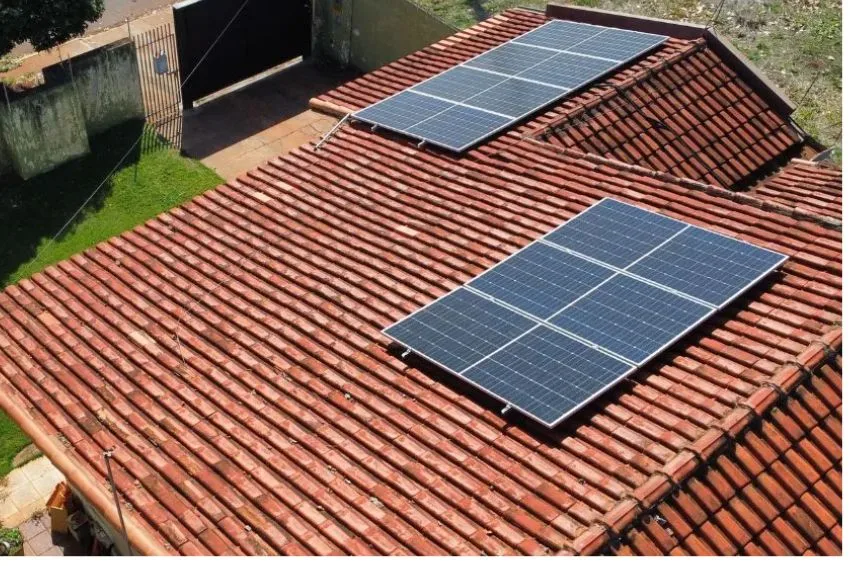
- More efficient and lower cost solar panels;
- Micro and mini distributed generation for residential and business consumers;
- Peer-to-peer models for energy trading between consumers.
Green Hydrogen and Sustainable Fuels
- Hydrogen production via electrolysis with renewable energy;
- Advanced biofuels and SAF (Sustainable Aviation Fuel) for aviation.
Carbon Capture and Storage (CCUS)
- Technologies for capturing CO2 in industrial processes;
- Reuse of carbon for the production of synthetic fuels.
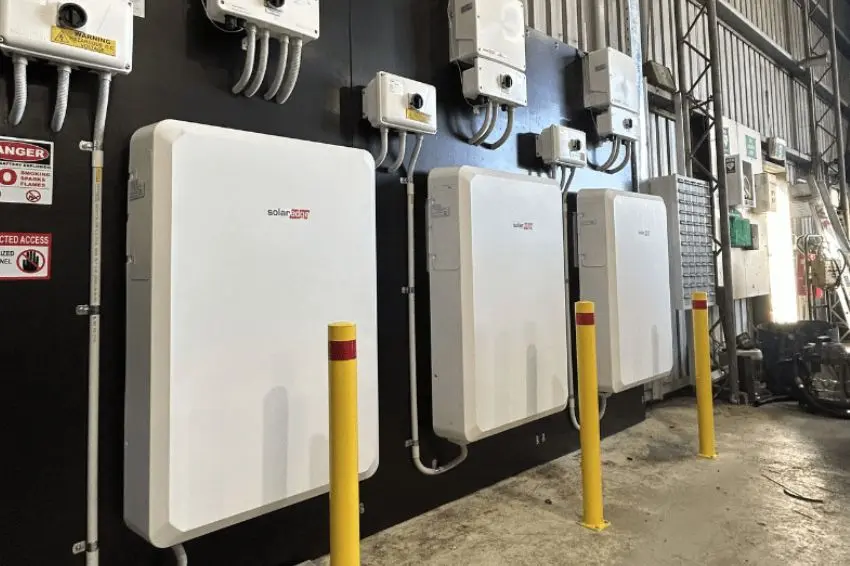
Energy conversion and storage equipment, such as new inverters, are essential for converting direct current (DC) energy generated by solar panels or other DG sources into alternating current (AC), compatible with the electrical grid, coupled with new charge controllers that regulate the charging and discharging of energy storage systems, protecting batteries against overload and extending their useful life.
Energy storage systems, such as lithium batteries and other storage technologies, will allow the energy generated to be stored for future use, increasing the autonomy and reliability of the systems.
Integration with the electrical grid through new technologies will be carried out by smart meters, for example, which will monitor the flow of energy between the generation of that connection and the grid, allowing greater control and dynamic pricing, in addition to monitoring consumption and production in real time.
However, despite all the technological advances, the energy transition faces challenges that must be overcome, such as: infrastructure projects, new investments and the adaptation of the electrical grid to support intermittent sources, in addition to the construction of an advanced regulatory framework for new technologies together with the implementation of public policies that are based mainly on incentives for innovation, decarbonization and energy security – with the aim of guaranteeing a stable energy supply in times of low renewable generation.
Thus, the intersection between the energy transition and new technologies will define the global future of renewable energy, driven by a more sustainable, efficient and accessible model for all consumers.
However, companies and the government (federal, state and municipal), in addition to promoting an environment conducive to economic growth through the insertion of new technologies in the energy transition, must invest in these innovations with a focus on attracting jobs, income and a pioneering role in leadership in the energy sector.
The diversification of energy sources, the integration of renewable sources and the modernization of infrastructure are essential to reduce the various vulnerabilities that will arise and ensure the uninterrupted and intelligent supply of energy – in a serious and assertive manner – as it is time for Brazil to emerge as a major world leader in the new era of renewable energy!
The opinions and information expressed are the sole responsibility of the author and do not necessarily represent the official position of the author. Canal Solar.