
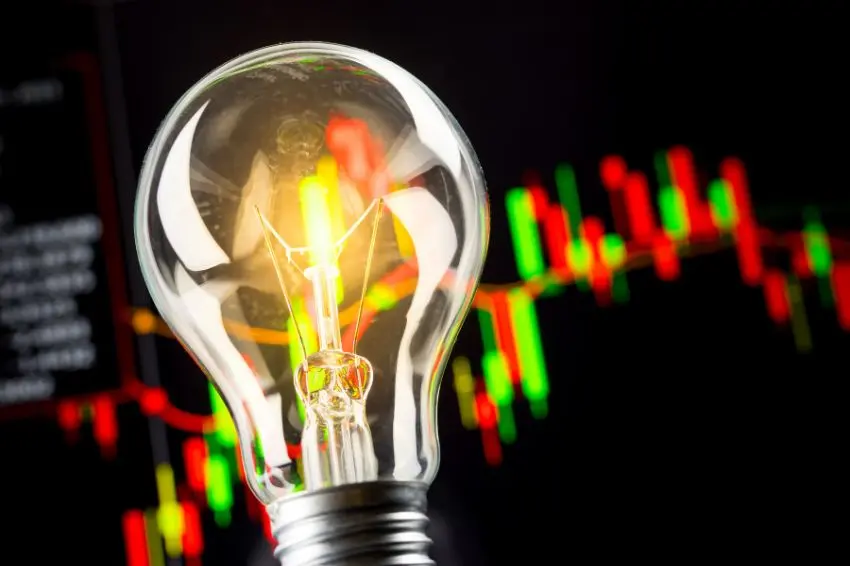
Residential electricity bills will have a significant impact on Brazilian inflation in 2026. According to projections by TR Soluções, electricity tariffs are expected to push the index up by approximately 0,40 percentage points throughout the year.
Considering the projected inflation of 4,36% for the period, according to the Focus Bulletin, the impact of electricity bills tends to represent a significant portion of the overall price increase, even though it is only one of the more than 400 items that make up the IPCA – an index that includes everything from food and transportation to services and household expenses.
According to TR Soluções, residential electricity rates are expected to increase by an average of 11% for consumers this year, driven mainly by rising energy purchase costs and transmission system usage fees.
The estimates only consider tariff adjustments and do not include any potential activation of tariff flags throughout the year, as explained by the director of regulation at TR Soluções, Helder Sousa.
"If the electrical system faces a scenario of water stress that requires the activation of the flags, the inflationary pressure of energy on the final index (inflation) could be greater," he said.
The projection also incorporates the start of supply, from August, from the plants contracted in the LRCAP (Capacity Reserve Auction), which total more than 2 GW. The impact of these projects should begin to appear in tariff processes from May onwards.
For distributors that experienced tariff events in the first four months of the year, however, the effects of these power plants should only be seen in tariffs starting in 2027.
On the other hand, there are some relieving factors: the cost of the distribution service should grow below inflation, while the charges associated with subsidies for distributed generation (DG) tend to socialize expenses.
This is because Law No. 15.269/2025 began to include free consumers in the sharing of these costs, which were previously concentrated mainly in the captive market.
Additionally, the termination of supply under most of the contracts signed in the 2021 emergency auction, held during the water crisis, also tends to contribute to reducing tariff pressures.
Also regarding charges, free consumers will now participate in the cost-sharing of the Angra 1 and 2 nuclear power plants, as stipulated in Law No. 15.235/2025. According to TR Soluções, this factor should represent an increase of approximately R$ 10/MWh.
all the content of Canal Solar is protected by copyright law, and partial or total reproduction of this site in any medium is expressly prohibited. If you are interested in collaborating or reusing part of our material, please contact us by email: redacao@canalsolar.com.br.



Comments
Comments are moderated before publication.Comments should be respectful and contribute to a healthy debate. Offensive comments may be removed. The opinions expressed here are those of the authors and do not necessarily reflect the views of the author. Canal Solar.