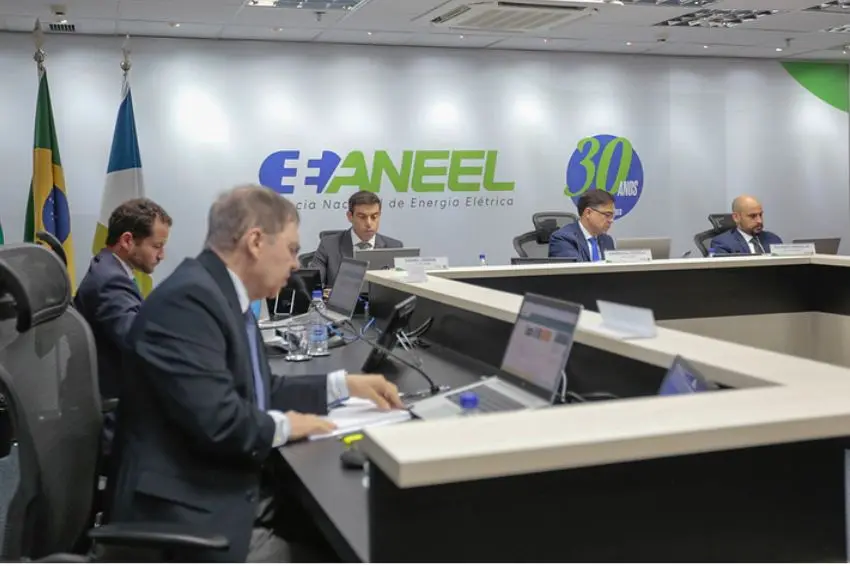
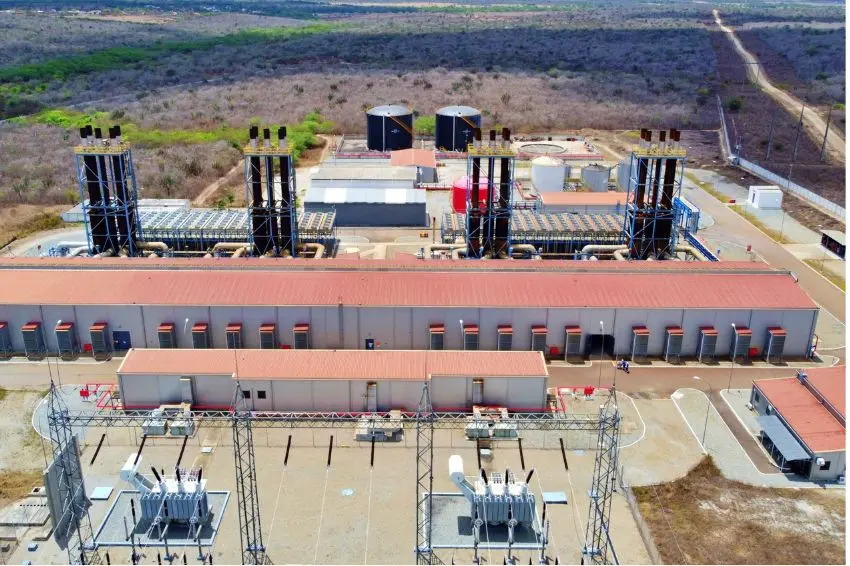
A ANEEL The Brazilian National Electric Energy Agency (Agência Nacional de Energia Elétrica) decided to uphold the R$ 235,6 million fine against Bolognesi Energia for failing to implement the Rio Grande Thermoelectric Plant, a 1.238 MW installed capacity project contracted in a 2014 auction.
In a vote signed this Tuesday (21), rapporteur Fernando Mosna defended the full maintenance of the penalty, a decision that was followed by the other directors of ANEEL. The power plant was contracted in the A-5 New Energy Auction of 2014, with supply scheduled to begin in January 2019.
The project would have an average guaranteed capacity of 605,2 MW, distributed across two combined cycle natural gas-fired generation blocks. The authorization for the project was revoked by ANEEL In October 2017, three plans for transferring corporate control were subsequently presented in an attempt to make the resumption of the project viable.
The first deal involved the American company New Fortress Energy. Later plans called for the entry of Cobra Brasil, linked to the Spanish group Cobra. Given the complete failure to complete the plant project, the inspection area imposed a fine equivalent to 8% of the declared investment in April 2024.
In its appeal, Bolognesi questioned procedural and legal aspects of the penalty. Among the arguments presented were the occurrence of force majeure events, the absence of proven damages to the agency, the alleged impossibility of combining the revocation of the concession with the fine, and the existence of a lawsuit related to the project.
The rapporteur, however, concluded that there are no flaws or nullities capable of compromising the administrative process. Mosna also considered that the ongoing legal action does not prevent the continuation of the analysis in the... ANEEL, given the independence between the administrative and judicial bodies.
According to the ruling, the application of the fine does not depend on the prior quantification of damages, since the sanction has a contractual, not compensatory, character.
The document argues that the failure to commission the thermal power plant compromised the expected energy supply and required compensatory measures to meet the demand originally attributed to the project.
According to the rapporteur, the delay or failure to implement power plants creates an expectation of supply that will not be met and, when it occurs on a larger scale, can affect the planning and security of the operation of the electrical system.
all the content of Canal Solar is protected by copyright law, and partial or total reproduction of this site in any medium is expressly prohibited. If you are interested in collaborating or reusing part of our material, please contact us by email: redacao@canalsolar.com.br.