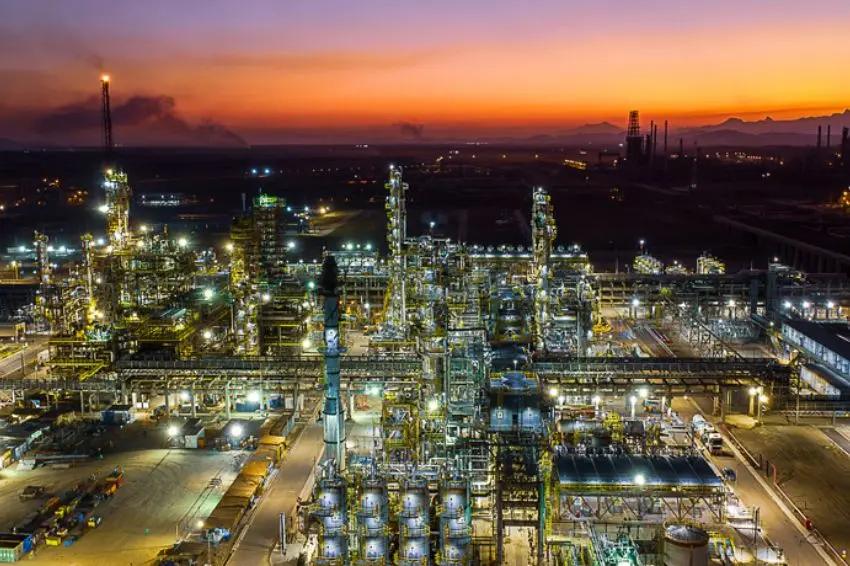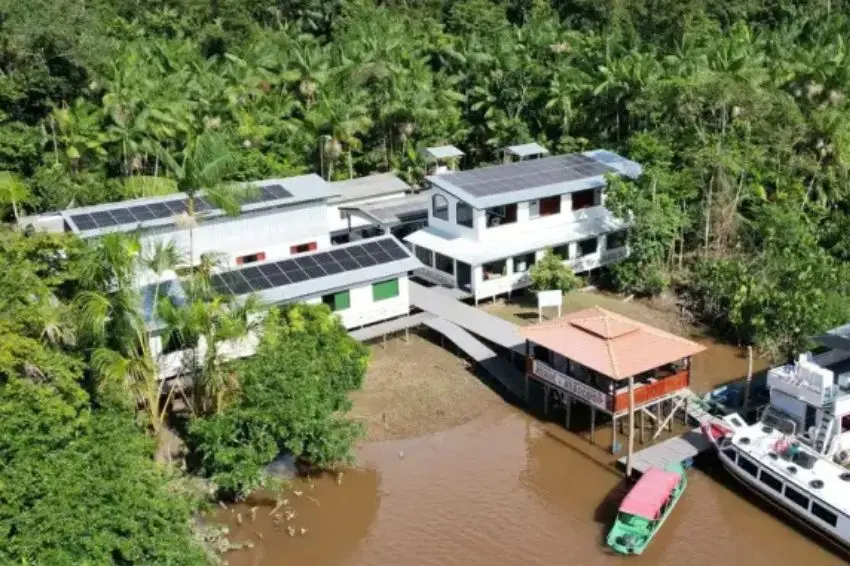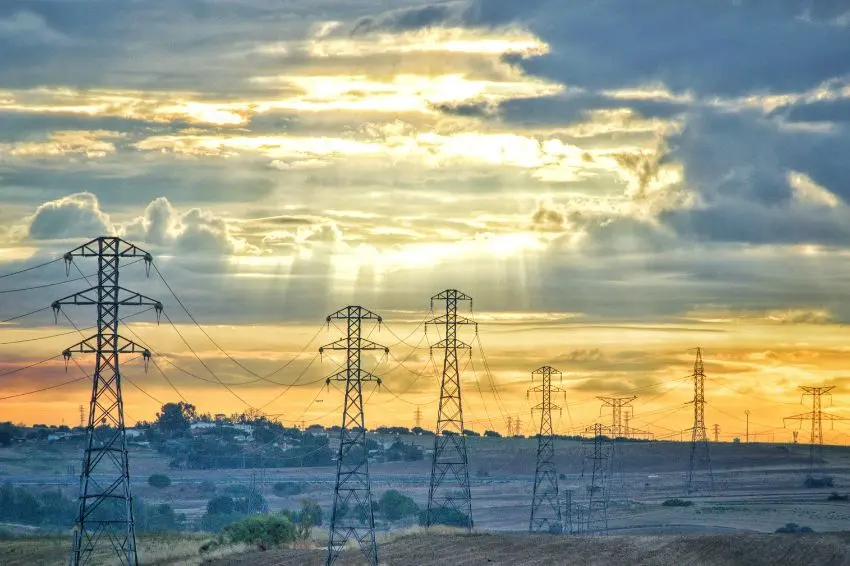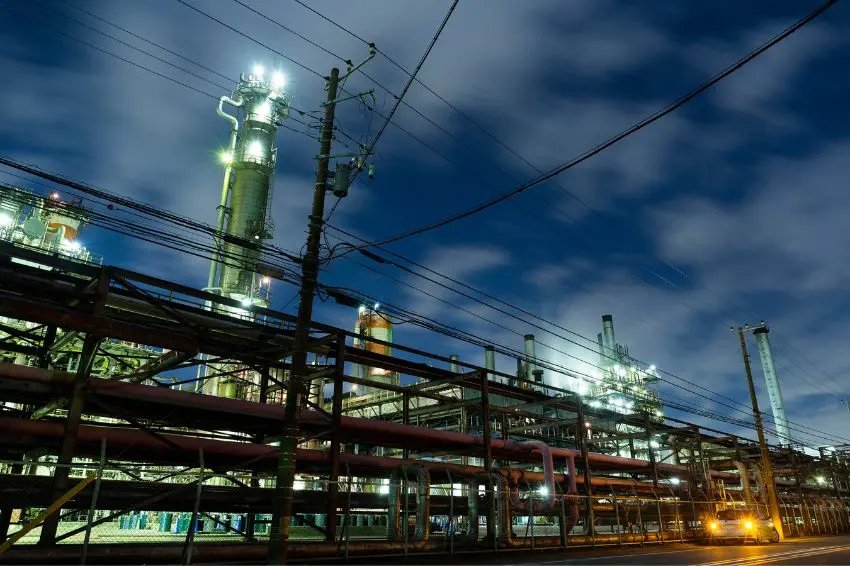

With an annual energy bill of approximately R$3 billion, energy management occupies a strategic position within Braskem. The company combines its own generation, renewable self-production, contracts in the free market, and real-time consumption monitoring to reduce costs, manage risks, and advance its decarbonization goals.
All of the company's industrial plants and main loads in Brazil are in the free market. In addition, Braskem has over 600 MW in wind and solar self-generation projects associated with its operations and generates approximately 150 MW on average internally in thermal power plants integrated into the petrochemical process.
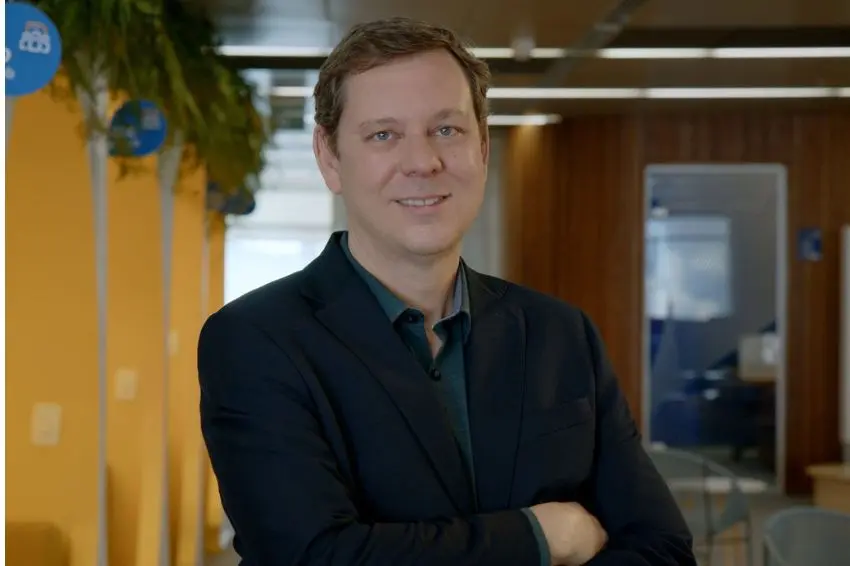
In this interview, Robson Casali, Business Development Manager for Energy at Braskem, explains how this portfolio is managed, details the indicators monitored by the company, and presents the projects that have already contributed to exceeding two-thirds of the emissions reduction target set for 2030.
How does Braskem structure its energy management strategy, and what indicators does it use to evaluate its results?
Braskem is an energy-intensive company. We have a very high consumption of electricity and, especially, thermal energy. Therefore, the management strategy involves several areas of the company, starting with operations and the best use of energy.
One of the indicators we monitor is electricity consumption per ton of product produced. This indicator has been monitored practically since Braskem's inception. We have the data for each plant, and it serves as one of the main benchmarks for our management.
There is also management related to the market, commercialization, and regulation, conducted by the Energy Directorate. There is a very high level of integration between this directorate and production. Today, more and more, information is monitored hourly. We have the hourly PLD (Price of Energy in the Spot Market) and gas consumption, for example, which must respect daily take-or-pay commitments.
Through the real-time optimizers we have within Braskem, we always strive to reach the optimal point, both in terms of volume consumed and the type of energy used. Braskem has some flexibility and works with it according to prices, whether in fuel consumption or in the generation and consumption of electricity.
It's a management style that truly permeates the entire company, because the values involved are very significant. What we purchase on the market alone represents an annual cost of around R$ 3 billion, considering all energy sources.
In addition to energy purchased on the market, does the petrochemical process itself generate fuels used by the company?
Yes. Most of the energy consumed by Braskem comes from byproducts of its own petrochemical process. Proportionally, about one-third is purchased and two-thirds comes from this process.
When we process naphtha, which is the main raw material used by Braskem, we produce ethylene, propylene, benzene, and other chemicals. But approximately 20% of this processing results in products that are not worth selling.
It is more advantageous to use them as energy sources. One example is the methane produced during the process. It makes more sense to burn this methane directly than to buy natural gas, which would be its immediate substitute.
Therefore, the process itself generates hydrocarbon streams that are used as energy sources within Braskem. This volume is significant. For this reason, management is quite broad and has a significant impact on the chemical industry's cost structure.
What does Braskem's electricity contracting portfolio consist of?
All of our industrial plants and major cargo, such as terminals, are in the free market. We are 100% in the free energy market. Part of the energy doesn't need to be purchased because we have our own generation capacity at some sites. These are cogeneration systems well integrated into the petrochemical process, which also helps to ensure the reliability of the units in the event of a grid failure.
Of the volume acquired through the system, a significant portion is linked to self-production, mainly from wind and solar sources. Another part is covered by short- and medium-term contracts. There is market intelligence behind these decisions. Voqen, our trading arm, continuously monitors the market and assesses what Braskem's positioning should be: whether it makes sense to maintain some short-term market exposure, remain over-contracted, or close new contracts.
What is the average volume of energy purchased by Braskem on the free market?
We purchase approximately 400 MW on average from the grid, although this volume can vary. For a while, it was closer to 450 MW on average, but there was a reduction after the decommissioning of one of our plants last year. Even so, the load can present monthly variations that generate average exposures of 30 MW to 40 MW.
Therefore, Voqen monitors short- and medium-term markets to determine the best position within the portion that is not contracted for the long term. The decision takes into account the pricing scenario, uncertainties regarding cargo volume, and expected market conditions. Based on this, we assess whether it is better to contract more in the short and medium term or maintain some exposure.
What is the size of Braskem's self-production portfolio and what sources are part of this strategy?
Considering projects located outside Braskem's sites, interconnected to the National Interconnected System and intended for our supply, the installed capacity exceeds 600 MW.
These are primarily wind power projects, with a smaller share of solar projects. Wind power is the predominant source in our portfolio. We also seek to distribute this self-production across different regions. We don't concentrate all the capacity in a single park or location. We have projects in Rio Grande do Norte, Bahia, and Minas Gerais.
Even within these states, we seek different locations to reduce the concentration of wind and seasonality risks. The model used is basically the traditional self-production model based on equivalence, in which we have major partners as project associates, including Casa dos Ventos, EDF Renewables, and Auren.
What are Braskem's decarbonization goals for 2030?
We have two main goals. The first is to reduce absolute carbon dioxide emissions associated with our processes by 15%. The second is to achieve 85% renewable electricity in the company's global supply.
In Brazil, achieving a high share of renewable sources is easier due to the characteristics of our electricity grid. In other countries where Braskem operates, such as Mexico, the United States, and parts of Europe, it is not so easy to find renewable energy with the same availability.
Therefore, it is important to maximize this participation in Brazil. The goal of achieving 85% renewable electricity has already been reached by the company. The 15% reduction in emissions is the most complex objective. Even so, we have already surpassed a 10% reduction, which means we have advanced more than two-thirds of the way needed to reach the 2030 target.
How is the decarbonization program structured?
The program analyzes different aspects. One of them is continuous improvement, that is, doing better with the assets we already have and seeking greater efficiency. This work is carried out continuously by the industrial teams and the production, process, and maintenance engineering teams.
We also developed an internal culture program to show how each action is reflected, in practice, in the carbon inventory. The idea is to allow people to see the relationship between what they do and the result obtained in reducing emissions.
There is also a monitoring front. The company's entire carbon inventory is mapped and closely monitored, allowing for an evaluation of the program's results. The final front involves structural changes. These range from altering the electricity matrix, with greater participation from wind and solar sources, to more profound interventions in the industrial processes themselves.
What structural projects have already been implemented by the company?
In Alagoas, we produced steam from natural gas for the PVC unit. We partnered with Veolia, which then began producing this steam using biomass. As a result, the use of natural gas in the PVC plant's boilers was discontinued.
Combined with a significant energy efficiency project carried out on the site, this work has made it possible to reduce CO₂ emissions by approximately 150 tons per year. In Rio Grande do Sul, we started buying biomethane last year, introducing this fuel into the energy matrix of our operations.
We are also building, in partnership with ComBio, an electric boiler to supply steam to the Paulínia plant. We will stop buying steam produced from fossil fuels and start using renewable steam generated with electricity.
Furthermore, at the beginning of the decade, we implemented another structuring project in São Paulo that combines energy efficiency and cogeneration. The initial expectation was to reduce CO₂ emissions by 100 tons per year, but we believe that this volume has already been surpassed.
In this project, we expected to reduce the indicator of gigajoules consumed per ton of product by 7,3%. With this and other initiatives of the decarbonization program, the reduction has already exceeded 10%. Within the petrochemical industry, this is a very substantial result.
When we add together the operational improvements, efficiency projects, and structural changes, we have already exceeded a 10% reduction in emissions, ahead of the 15% target set for 2030.
How important is thermoelectric power generation to Braskem's operations?
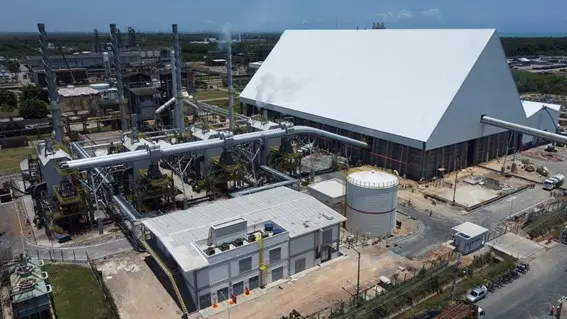
We strive to operate these parks with the highest possible level of efficiency. We aim to structure true cogeneration systems, minimize condensation, and keep generation integrated with the petrochemical process.
These units serve two purposes. The first is the efficiency provided by cogeneration. The second is the reliability of the supply.
This is especially important in crackers, which are the units responsible for the first stage of petrochemical production. The internal inventory of these plants is very large. Any network failure that causes a complete interruption of operations can generate high financial losses and a significant operational disruption.
Even if a power outage lasts only a moment, the impact on a petrochemical plant can last for days until operations are restored. Therefore, on-site power generation plays a crucial role in plant reliability. The challenge is maintaining a power plant with the highest possible efficiency, capable of fulfilling this operational purpose.
How much energy does Braskem currently generate in these thermal power plants, and what fuels are used?
Adding up all of Braskem's plants, we generate around 150 MW on average. The main source is natural gas, but we also use gases and liquid fuels from the petrochemical process itself. There are other complementary energy sources, but the most relevant for thermoelectric generation are natural gas and liquid and gaseous fuels originating from the process.
all the content of Canal Solar is protected by copyright law, and partial or total reproduction of this site in any medium is expressly prohibited. If you are interested in collaborating or reusing part of our material, please contact us by email: redacao@canalsolar.com.br.