
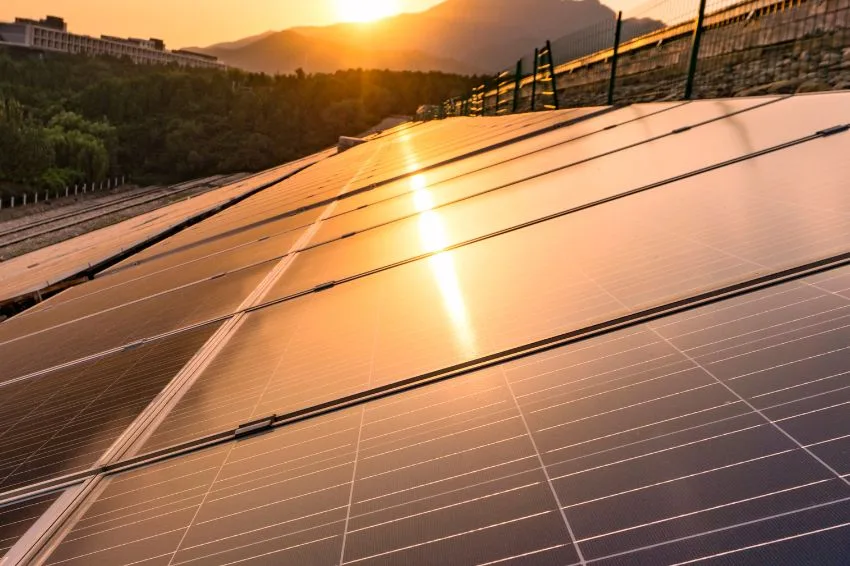
The growth of solar energy caused photovoltaic capacity in Brazil to approach 100 GW of total power granted in projects centralized generation. In total, there are already 98,2 GW, according to data of ANEEL (National Electric Energy Agency).
This is an amount that takes into account the sum of the plants in operation, the projects that are in the construction process and those that are still waiting for work to begin.
Currently, the great majority of this volume (83,9 GW) belongs to projects that have already had their grants approved by the Agency, but which are not yet in the construction process since the projects have not yet been made economically viable.
O main influencing factor for high volume has a direct relationship, not only with the growth of the sector, but also with the 14.120 Law which provided for transition rules for the end of the discount on TUSD and TUST (Tariffs for the Use of Distribution and Transmission Systems) for large plants.
This legislation caused a rush by developers of photovoltaic projects between the first half of 2021 and the first two months of 2022 to guarantee 50% discounts when using Fio, as explained by Eduardo Tobias, managing partner of Watt Capital.
“What is happening is that entrepreneurs had until March 1st of last year to request the grant to guarantee the right to this discount”, he commented.
Because of this, many grant requests were sent and have not even been issued by the ANEEL, remaining in the analysis process.
“That is, these numbers (of almost 100 GW) are much higher than this and will grow much more as updates are made”, highlighted Tobias.
The managing partner of Watt Capital also commented that another factor that helps explain the numbers is because obtaining a license for a solar energy plant is easier than obtaining a license for other renewable sources, such as wind.
“Photovoltaic is much cheaper to develop than wind, because it has a lower barrier to entry for the developer. There is no need, for example, to present guarantee insurance and there is no expiration date for DROs (Concession Registration Orders), unlike wind power, which is one year”, he commented.
Tobias highlighted, finally, that from now on the main challenges of centralized generation in Brazil for the coming years are finding “demand for all this volume of electrical energy and a price that makes the implementation of these projects viable”.


Comments
Comments are moderated before publication.Comments should be respectful and contribute to a healthy debate. Offensive comments may be removed. The opinions expressed here are those of the authors and do not necessarily reflect the views of the author. Canal Solar.