
The CNPE (National Energy Policy Council) approved, this Wednesday (1), the creation of Progeo (National Geothermal Energy Program), a new public policy that aims to enhance the use of geothermal energy in Brazil.
During the announcement, Alexandre Silveira, Minister of the MME (Ministry of Mines and Energy), highlighted the importance of Brazil taking advantage of its significant geothermal potential.
"Brazil has enormous geothermal potential in various regions of the country. With this program, we will transform this potential into concrete opportunities for clean energy generation, promoting regional development and energy security," said Silveira.
The measure meets the growing need to diversify generation sources of energy in Brazil, which, despite having a electric matrix 90% renewable, needs to advance to ensure greater energy security and economic resilience.
Implementation and expansion of the sector
With the approval of the CNPE, the MME will begin implementing the measures provided for in Progeo, in conjunction with regulatory bodies and the productive sector.
The expectation is that, from now on, Brazil will take the first concrete steps to transform its vast geothermal potential into a solid, sustainable and strategic energy source, aligned with energy transition objectives and regional economic development.
What is geothermal energy?
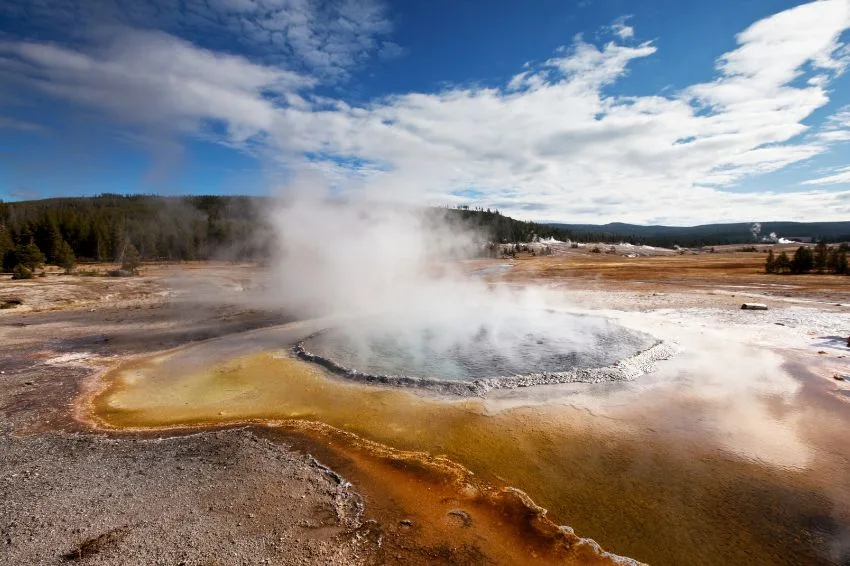
Geothermal energy, which harnesses heat from within the Earth, is a renewable source considered strategic for complementing electricity generation in Brazil.
Its main characteristic is that it provides a constant source of energy, ensuring the safety and stability of the electrical grid. This makes it an ideal alternative for diversifying the country's energy matrix and contributing to the reduction of greenhouse gas emissions.
Although Brazil's electricity grid is already one of the cleanest in the world, with 90% renewable energy sources, the country faces challenges related to energy security and grid resilience.
all the content of Canal Solar is protected by copyright law, and partial or total reproduction of this site in any medium is expressly prohibited. If you are interested in collaborating or reusing part of our material, please contact us by email: redacao@canalsolar.com.br.