

Tech giants like Amazon, Microsoft, and Google are facing increasing pressure from investors regarding the water and energy consumption of their data centers, essential infrastructure for supporting the advancement of AI (artificial intelligence).
According to Reuters, more than a dozen investors have been demanding greater transparency from companies regarding their use of natural resources, especially amid the rapid expansion of computing power.
Concern intensifies on the eve of annual shareholder meetings, when proposals focused on environmental governance are expected to gain prominence.
In addition to financial pressure, the projects have also faced resistance from local communities, which has already led to the cancellation or postponement of multimillion-dollar ventures in the United States.
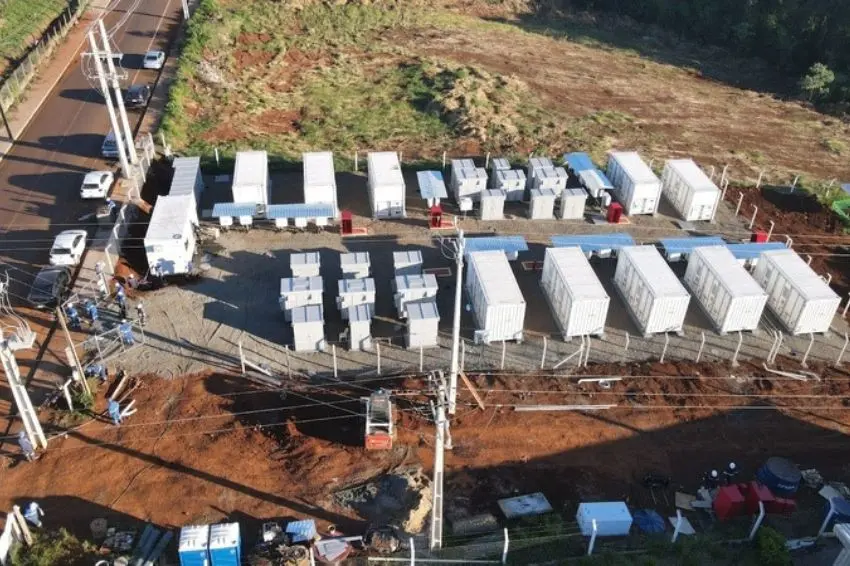
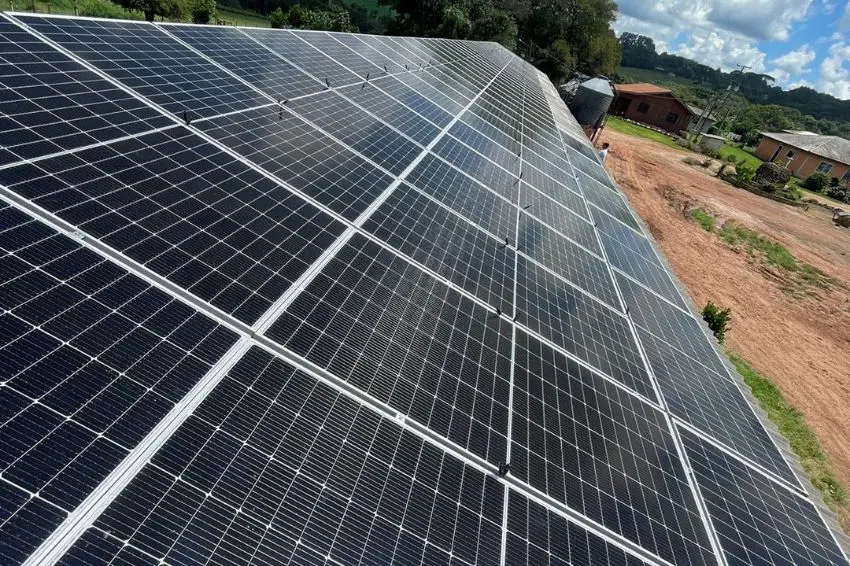
In this context, pressure is growing on big tech companies to accelerate the adoption of renewable energy and invest in more efficient solutions, such as energy storage systems.
Water consumption
One of the main points of concern raised by investors is the use of water for server cooling. According to data from Mordor Intelligence, North American data centers will consume nearly 1 trillion liters of water in 2025 – a volume equivalent to the annual demand of New York City.
Although companies like Google, Amazon, and Microsoft have already adopted more efficient cooling systems, such as closed-loop systems, investors point to a lack of standardization and transparency in the disclosure of this information.
Recent environmental reports show that, according to ReutersIn some cases, the data is incomplete or aggregated, making it difficult to assess operational risks and local impact. In other situations, it does not include units leased or operated by third parties.
Emissions and targets under question.
The expansion of data centers by companies also raises questions about their ability to meet their climate goals. Alphabet, Google's parent company, for example, had committed to halving its emissions by 2030 and operating on carbon-free energy.
However, investors point out that the company's emissions have increased by 51% in recent years, driven in part by the growing demand for digital infrastructure. This scenario has led asset managers and funds to present proposals demanding greater clarity on decarbonization strategies and the use of renewable energy.
all the content of Canal Solar is protected by copyright law, and partial or total reproduction of this site in any medium is expressly prohibited. If you are interested in collaborating or reusing part of our material, please contact us by email: redacao@canalsolar.com.br.