
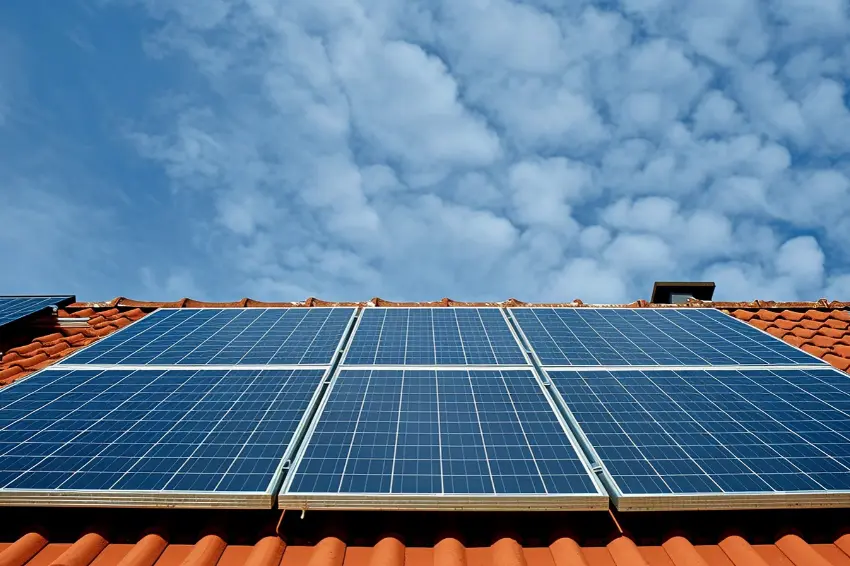
A ANEEL The Brazilian National Electric Energy Agency (ANEEL) recently opened Public Consultation No. 33, aimed at discussing regulatory models that will shape the future of energy in Brazil. This is a crucial moment: we have the chance to redesign the national energy architecture towards a cleaner, more democratic and resilient system.
However, when analyzing the Regulatory Impact Assessment (RIA) that underpins the consultation, a serious omission stands out: there is no mention of Energy Net and the Energy Protocol, models that emerged in Europe during the war in Ukraine and are already proving revolutionary for the global energy transition.
What is Public Consultation 33?
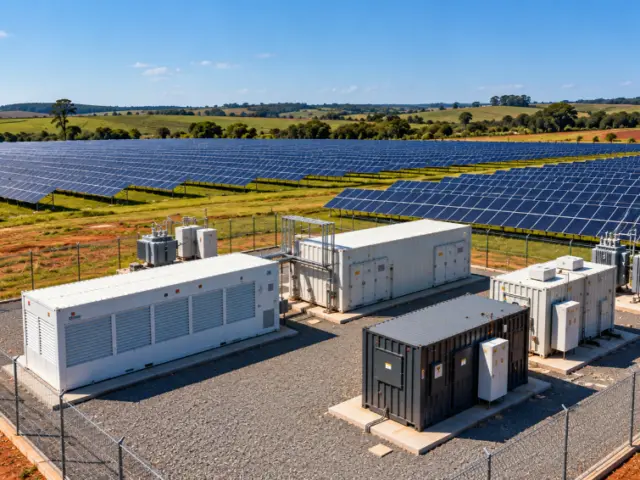
CP 33 of ANEEL It seeks to gather contributions from society on new regulatory arrangements for distributed generation, storage, and smart grids. In other words, it is the forum where decisions are made on how Brazil will allow (or restrict) communities, businesses, and citizens to actively participate in energy production and management.
The regulatory impact study analyzes scenarios, costs, and benefits, but remains tied to traditional models of electricity grid expansion and distributed generation integration. It discusses transmission reinforcement, tariff adjustments, and compensation mechanisms, but makes no room for innovative architectures already in operation in countries like Sweden.
What was missing: Energy Net and the Energy Protocol
During the war in Ukraine, an air strike destroyed the national power grid. This episode exposed the vulnerability of centralized systems and led the European Union to approve the Energy Communities Directive, allowing the creation of parallel microgrid networks.
It was in this context that Energy Net was born, developed in Lund, Sweden. It is a smart, decentralized, and digitized network capable of connecting buildings and communities in a system parallel to the main grid.
At the heart of this innovation is the Energy Protocol, an open-source software that functions as the "internet of energy": a common, free, and non-patentable language that allows different systems to communicate and share energy securely and efficiently.
This model is already in operation in Swedish residential complexes, demonstrating its viability, profitability, and resilience. It doesn't depend on large government subsidies, as it pays for itself. Furthermore, it allows for integration with electric vehicles, distributed storage, and even district heating and cooling.
Why Brazil needs to consider this model.
Brazil has a predominantly renewable electricity matrix, but it is still highly dependent on large hydroelectric dams and an extensive and vulnerable transmission network. During times of water shortages or transmission failures, the system reveals its weaknesses.
Ignoring models like Energy Net means missing the chance to:
- Increasing resilience: communities could maintain power even in the event of main grid failures.
- Reduce costs: local systems pay for themselves through the savings generated, without the need for massive subsidies.
- Accelerating the energy transition: by enabling 100% renewables, without relying on the limited capacity of the central grid.
- Democratizing access: citizens, businesses, and municipalities could play a leading role in energy generation and management.
The risk of repeating old mistakes.
The AIR of ANEEL insists on discussing only two alternatives:
- Investing billions in strengthening transmission, attempting to modernize a centralized network that will remain vulnerable.
- Build new large power plants while maintaining the top-down generation model.
Both options are expensive, slow, and poorly aligned with the logic of the global energy transition. Energy Net offers a third way: fast, cheap, green, and resilient.
The role of politics and civil society
As an energy transition activist and sustainable business developer, I believe this issue cannot be ignored. Public Consultation 33 needs to be pressured to include models like Energy Net in the debate.
This requires:
- Mobilization of civil society: Universities, NGOs, and companies should submit contributions to the consultation.
- Strategic vision of the government: To see that Brazil can be a global leader if it adopts innovative architectural approaches.
- Bold regulatory action: a ANEEL It should make room for open protocols and parallel networks, instead of simply reinforcing the centralized model.
Historic opportunity
Sweden is already positioning itself as the "Energy Valley," the Silicon Valley of electrification. Brazil, with its renewable energy matrix and capacity for innovation, could play a similar role in Latin America.
But to achieve this, we need to look beyond traditional solutions and embrace resilient and decentralized models. If CP 33 ignores the Energy Protocol, we will be wasting a historic opportunity.
Defining the future of energy in Brazil
Public Consultation 33 of ANEEL This is a regulatory milestone that could define the future of energy in Brazil. However, the Regulatory Impact Study failed to consider Energy Net and the Energy Protocol, models that have already proven their effectiveness in Europe and are fully aligned with the energy transition.
Brazil cannot be content with reinforcing a vulnerable grid or building new large power plants. We need a resilient, decentralized, and 100% renewable system.
This issue cannot be ignored. It's time to demand that... ANEEL Include in the debate the models that emerged from the Ukraine crisis and that today point to the future of global energy. If we want Brazil to be a leader in the energy transition, we need our public consultations, especially Public Consultation 33, to take into account the Energy Protocol and the Energy Net. Ignoring this means missing the chance to build a truly sustainable, democratic, and resilient energy system.
The opinions and information expressed are the sole responsibility of the author and do not necessarily represent the official position of the author. Canal Solar.

Comments
Comments are moderated before publication.Comments should be respectful and contribute to a healthy debate. Offensive comments may be removed. The opinions expressed here are those of the authors and do not necessarily reflect the views of the author. Canal Solar.