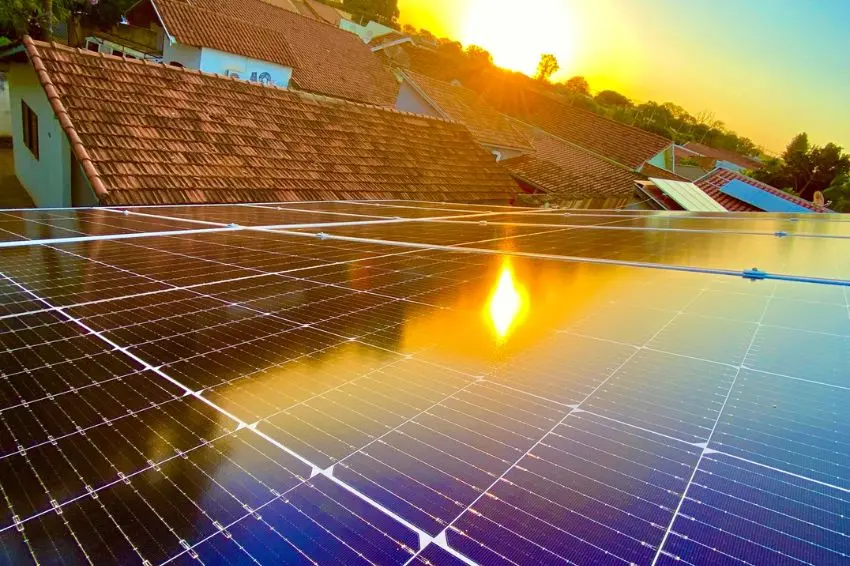

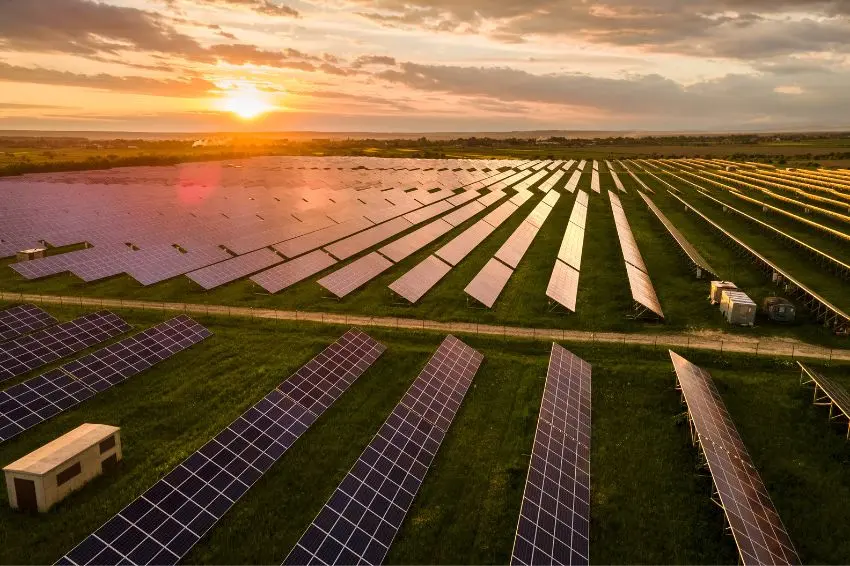
The use of solar energy is increasing in Brazil, and according to the BEN 2025 (National Energy Balance 2025) from EPE (Energy Research Company), in 2024, solar energy generation grew by 39,6% compared to the previous year, considering the total generated by centralized generation, consisting of large photovoltaic plants, and by MMGD (Microgeneration and Distributed Minigeneration).
According to the report, in 2024 solar energy represented 9,3% of the Brazilian electricity matrix, compared to 7% the previous year.
Alongside the increase in solar energy generation, financial pressure on solar farms and photovoltaic plants is also growing. Since November 2024, when the import tax on solar panels increased through Gecex Resolution No. 666, raising the import tariff on photovoltaic modules from 9,6% to 25%, the sector has needed to increasingly optimize its operations to maintain financial balance.
In 2025, the curtailment (generation restriction) that the ONS (National Electric System Operator) implements to preserve the security and reliability of the SIN (National Interconnected System) affected the photovoltaic segment.
According to ONS itself, 20,6% of all solar and wind energy generated in 2025 cannot be used. According to the consulting firm Volt Robotics, the curtailment generated a loss of R$ 6,5 billion for generating agents, with 72% of the unused energy, due to the cut, being of solar origin.
Also in 2025, Law 15.269 was enacted, establishing a new legal framework for the Brazilian electricity sector, with a veto of the provision that guaranteed broad compensation for cuts in wind and solar power generation.
Already at the end of January this year, Gecex (Executive Management Committee) The Ministry of Development, Industry, Trade and Services, at its 233rd Ordinary Meeting, approved the amendment to GECEX Resolution No. 512/2023, which provides for a regime for reducing the import tax rate on capital goods (BK) and information technology and telecommunications goods (BIT).
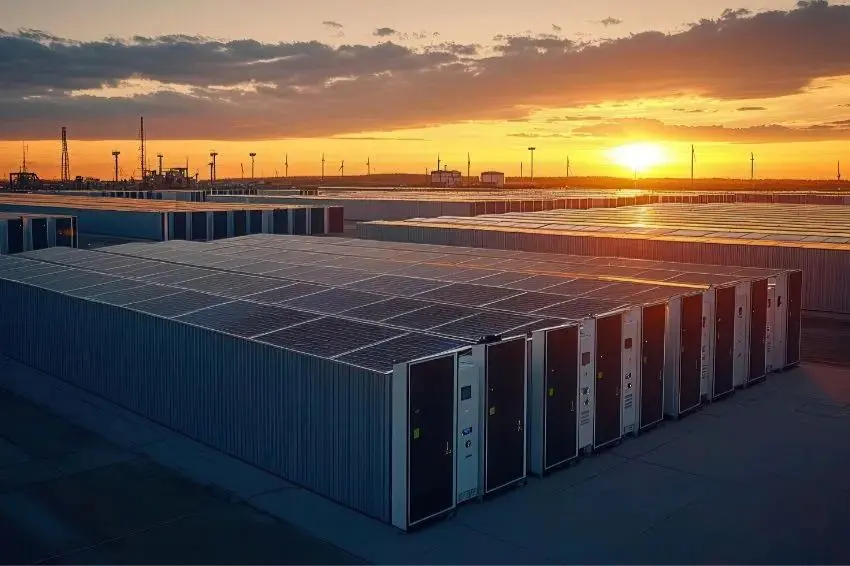
The decision in practice, raised the price of imported equipment. For solar energy projects, such as inverters, microinverters, battery-powered energy storage systems (BESS), and photovoltaic generators with a power output above 75kW. The import tax rate for solar inverters, for example, increased from 12,6% to 20%, and for BESS it rose from 16% to 20%.
The increase in import tariffs is justified by the need to protect the national industry, and the sanctioning of the provision that guaranteed broad compensation for wind and solar power generation cuts in Law 15.269 aims to avoid increasing burdens on consumers. However, it may also generate increased costs for companies in the sector, which need more planning and strategy to maintain a financially balanced operation.
At the same time, the country still needs clean energy, because according to the Energy Demand and Efficiency Report of the Ten-Year Energy Expansion Plan 2034, from EPE (Energy Research Company), energy consumption in Brazil should grow at an average annual rate of 2,1% until 2034.
Role of end-of-warranty inspection
The development of a solar farm or photovoltaic power plant project considers several factors, including energy generation capacity, grid interconnection point, CAPEX (Capital Expenditure) involved, and expected OPEX (Operating Expenditure).
But over the years, photovoltaic modules lose their ability to generate energy. This degradation occurs due to factors such as exposure to UV radiation, thermal variations, excess humidity, electrical stress, or even microcracks in the cells.
The End of Warranty (EOW) inspection provides an accurate assessment of the performance and degradation of photovoltaic modules, making it a vital document for decision-making.
This service can be used as a technical record for any necessary corrections and adjustments during the warranty period, or as a formal document for complaints regarding non-compliance with contractual parameters, and can be extended to other equipment such as inverters, string boxes, skids, among others.
Some manufacturers may perform an EOW inspection as part of their services, but this activity can generate conflicts of interest, as described in the international standard ISO/IEC 17020.
Therefore, having these services performed by a third-party entity before the warranty expires is essential to ensure that the degradation of the photovoltaic module occurs as reported by the manufacturer.
EOW inspection is also an important tool in quality management, as it minimizes the risk of potential large-scale corrections and unexpected investments in the asset in question.
The verification process is important to ensure that equipment is and remains fully operational. And given the increasing cost pressures in equipment acquisition and operational risks, end-of-warranty inspections should be incorporated to promote the economic viability and performance of solar farms and power plants.
The opinions and information expressed are the sole responsibility of the author and do not necessarily represent the official position of the author. Canal Solar.