
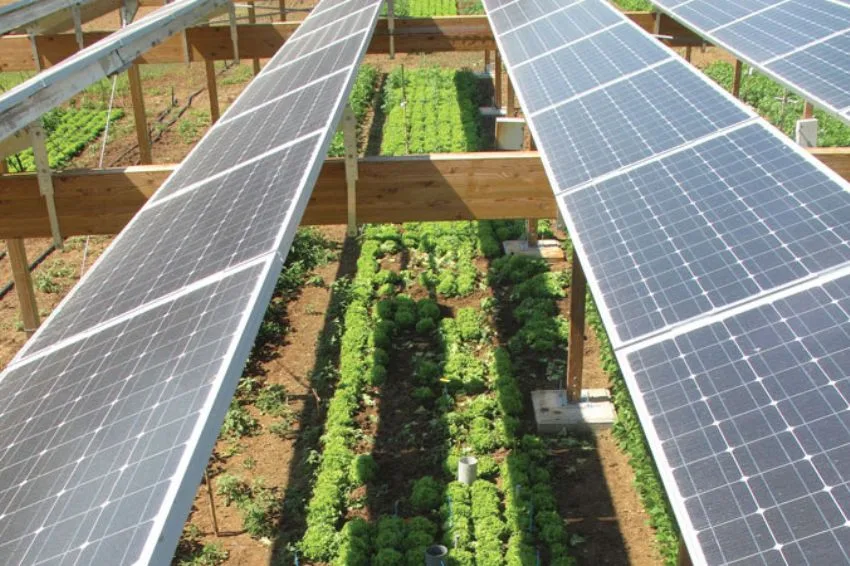
Given the recurring increase in the Selic rate, the new edition of the 2025-2026 Harvest Plan, recently released by MAPA (Ministry of Agriculture and Livestock), which provides for a record amount of R$516,2 billion for investments in agribusiness projects, brings an increase in credit for sustainability in agricultural production, with higher financing rates, even with the expansion of resources in some line options.
In this year's financial year, interest rates range from 8,5% to 14%, depending on the credit line selected, while in the previous year, the variation was between 7% and 12%. The assessment is from ABSOLAR (Brazilian Association of Photovoltaic Solar Energy). According to the organization, the focus of the new plan is the 5,4% reduction in resources that could be used for solar energy projects and storage systems.
RenovAgro's credit line was also impacted by the rise in the Selic rate, which increased the interest rate by 1,5 percentage points to 10% this year. This scenario increases the costs of implementing the energy transition in rural areas and obtaining cheaper Brazilian agricultural products.
Currently, photovoltaic systems in agribusiness have 5,4 GW of installed power, which represents more than 13% of all capacity used in solar self-generation by residential, rural, commercial, industrial and public consumers, according to mapping by ABSOLARToday, more than 305 rural properties are supplied by photovoltaic technology in Brazil.
"The Safra Plan is increasingly strategic for financing the energy transition in agribusiness. Therefore, we are concerned about the rising cost of credit for solar energy and energy storage, especially in the year of COP 30 in our country," says Ronaldo Koloszuk, Chairman of the Board of Directors of ABSOLAR.
“The synergy between agriculture, photovoltaic solar "The potential for storage systems is immense, with diverse applications in rural production. These technologies are extremely versatile and can be used, for example, in water pumping and irrigation, refrigeration of meat, milk, and other products, temperature regulation for poultry production, lighting, electric fencing, telecommunications systems, rural property monitoring, among many other functionalities," explained Koloszuk.
For Rodrigo Sauaia, CEO of ABSOLAR, photovoltaic technology reduces electricity costs, increases electrical safety, protects consumers against increases in electricity tariffs and increases the supply of electricity on rural properties.
"In addition to solar energy, other sustainable technologies such as battery storage are becoming increasingly relevant for rural producers of all sizes and profiles. Therefore, it is important that the harvest plan include this technology in its credit lines," he concluded.
all the content of Canal Solar is protected by copyright law, and partial or total reproduction of this site in any medium is expressly prohibited. If you are interested in collaborating or reusing part of our material, please contact us by email: redacao@canalsolar.com.br.



Comments
Comments are moderated before publication.Comments should be respectful and contribute to a healthy debate. Offensive comments may be removed. The opinions expressed here are those of the authors and do not necessarily reflect the views of the author. Canal Solar.