
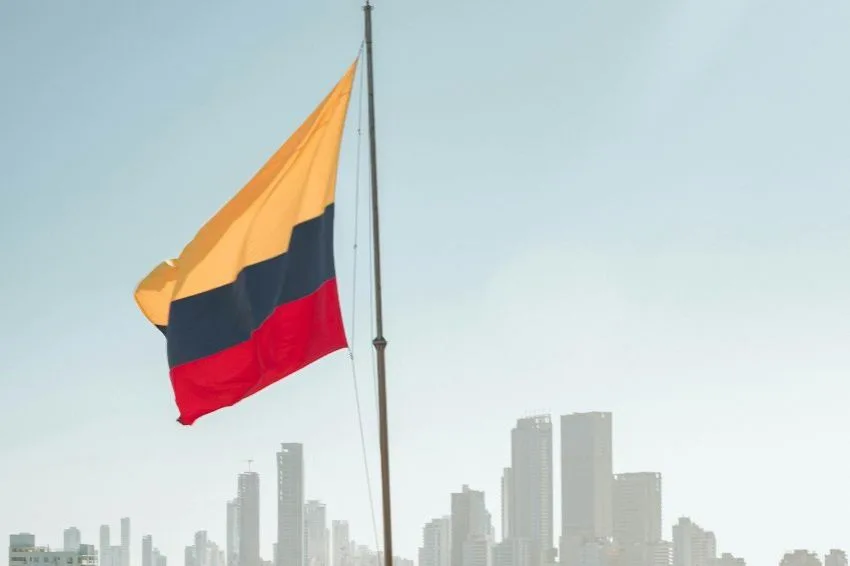
Colombia operates one of the most consolidated and structured electricity sector models in Latin America, with strong private participation, well-defined market rules, and a regulatory system considered a benchmark in the region.
Nevertheless, the high dependence on hydroelectric sources makes the country particularly sensitive to extreme weather events, such as the El Niño phenomenon, which historically impacts the security of energy supply.
A predominantly hydroelectric energy matrix
The Colombian electricity grid is heavily based on hydroelectric power plants, which account for the majority of the country's electricity generation. This characteristic ensures low operating costs and low emissions, but increases the system's vulnerability to periods of drought.
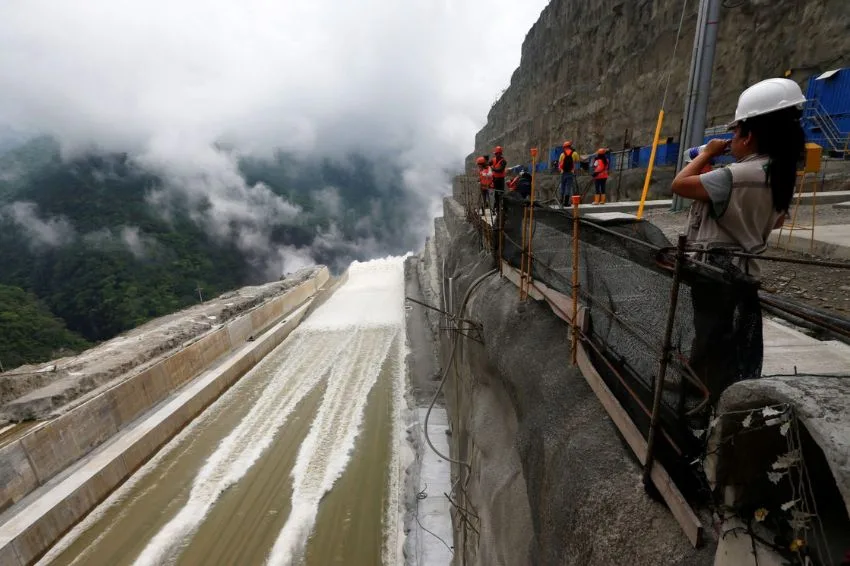
In addition to hydroelectric generation, the Colombian power grid includes:
- Thermal power plants using natural gas, coal, and fuel oil.
- Non-conventional renewable sources, such as solar and wind, have been expanding recently.
Thermal power plants play a strategic role in providing security, being activated mainly during times of water scarcity.
Generation with broad private participation
Energy generation in Colombia is primarily carried out by private companies, in addition to some state-owned and mixed-capital companies. Power plants compete in the market to sell energy, within a regulated and organized environment.
The country adopts a competitive market model, with specific mechanisms to guarantee the reliability of the system.
MEM (Majorista Energy Market)
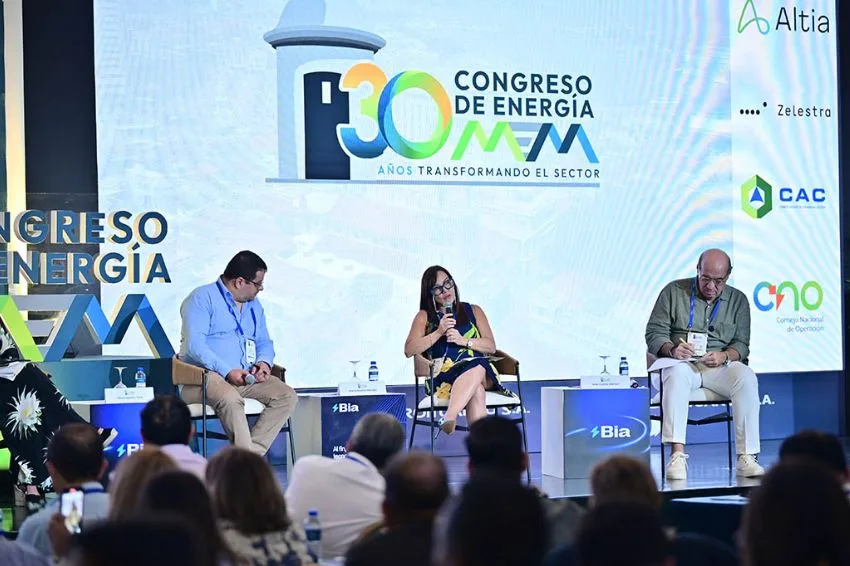
Energy trading takes place in MEM (Majorista Energy Market), where generators, traders and large consumers negotiate contracts and participate in the short-term market.
The operation of the national interconnected system and the administration of the market are the responsibilities of XM, a company that operates as:
- Electrical system operator
- Wholesale market administrator
- Responsible for planning the operation.
The role of the Trusted Position
One of the pillars of the Colombian model is Cargo for Reliability, a mechanism created to ensure that there is sufficient generation capacity available, even in adverse hydrological scenarios.
Through this instrument, power plants receive additional compensation for being available to generate energy when the system needs it most, reducing the risk of rationing during prolonged droughts.
Regulated and integrated transmission
High-voltage power transmission is carried out by concessionary companies operating under regulated contracts. The network interconnects different regions of the country, linking hydroelectric generation areas to the main consumption centers.
Investments in transmission infrastructure are planned to ensure reliability and reduce bottlenecks in the national interconnected system.
Distribution and marketing
Energy distribution is handled by regional utilities, responsible for delivering electricity to end consumers. In parallel, there are trading companies that buy energy on the wholesale market and resell it to regulated and free market consumers.
This model allows for greater contractual flexibility, especially for large industrial consumers.
Who regulates the Colombian electricity sector?
Energy policy is defined by Ministry of Mines and Energy.
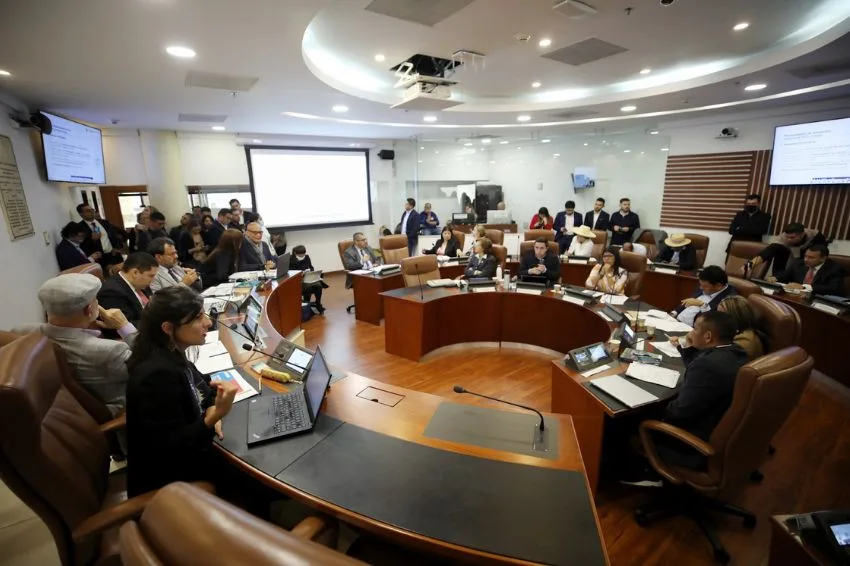
Economic and tariff regulation is the responsibility of CREG (Energy and Gas Regulatory Commission)which establishes market rules, tariff methodologies, and reliability mechanisms.
The oversight of the service is carried out by SSPD (Superintendence of Public Household Services).
Tariffs and pricing
Energy tariffs in Colombia largely reflect the costs of generation, transmission, and distribution, although cross-subsidies exist for low-income consumers, classified by socioeconomic strata.
This model seeks to balance the financial sustainability of the sector and access to energy.
Challenges of the Colombian system
Despite its robust institutions, the Colombian electricity sector faces significant challenges, such as:
- High dependence on hydroelectric power generation
- Impacts resulting from the El Niño phenomenon
- The need to expand non-hydro renewable energy sources.
- Strengthening the transmission infrastructure
Nevertheless, the country maintains a history of secure supply, supported by clear market rules and well-established reliability mechanisms.
all the content of Canal Solar is protected by copyright law, and partial or total reproduction of this site in any medium is expressly prohibited. If you are interested in collaborating or reusing part of our material, please contact us by email: redacao@canalsolar.com.br.

Comments
Comments are moderated before publication.Comments should be respectful and contribute to a healthy debate. Offensive comments may be removed. The opinions expressed here are those of the authors and do not necessarily reflect the views of the author. Canal Solar.