
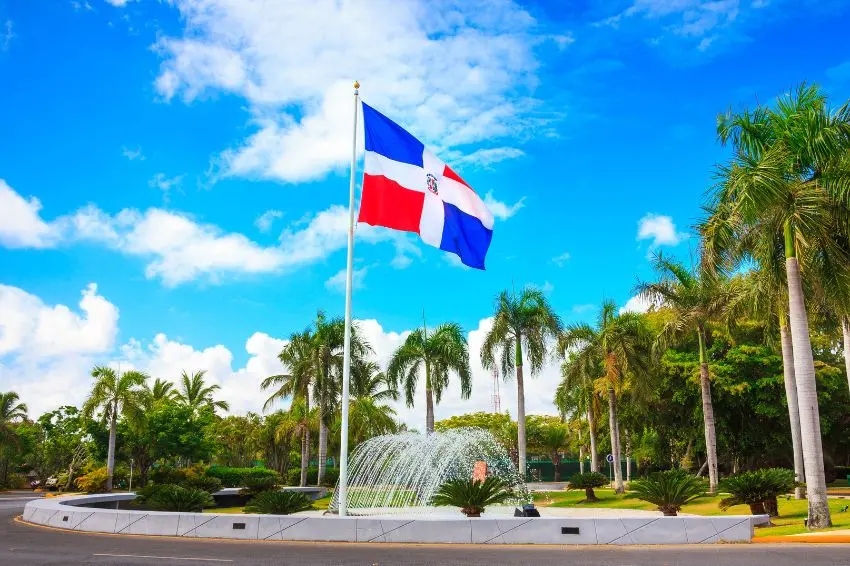
The Dominican Republic has an electricity system based on a combination of thermal, hydroelectric, and renewable energy sources, making it one of the most important energy markets in the Caribbean.
The country faces historical challenges related to the reliability of electricity supply, but it has been increasing investments in infrastructure and diversifying its energy matrix.
Currently, a large portion of the electricity generated in the country still comes from thermal power plants fueled by natural gas, coal, and petroleum derivatives.
At the same time, the share of renewable sources, such as solar, wind and hydroelectric power, has been gradually increasing in recent years.
Expanding renewable energy generation has become strategic for reducing dependence on imported fuels and increasing national energy security.
Predominance of thermal power generation
The Dominican electricity system relies heavily on thermal power generation. Natural gas and coal-fired power plants play a central role in the country's energy supply, complemented by hydroelectric power and renewable energy projects.
In recent years, the Dominican government has encouraged the diversification of the electricity matrix through investments in solar and wind farms.
The goal is to reduce the costs of electricity generation and decrease vulnerability to international fluctuations in fossil fuel prices.
Despite the growth of renewables, thermal power generation remains essential to ensure stability and security for the national electricity system.
Institutional structure
The electricity sector in the Dominican Republic has both state and private participation. Regulation and planning for the sector are conducted by... CNE (National Energy Commission) and SIE (Electricity Superintendence).
The Dominican Electric Transmission Company ETED (Dominican Electric Transmission Company) It is responsible for operating the high-voltage transmission network, while several private companies are involved in power generation and distribution.
The Dominican electricity market has undergone reforms in recent decades to stimulate competition and expand private investment in energy infrastructure.
Operations
The operation of the electrical system is coordinated by the Coordinating Body of the National Interconnected Electrical System. SENI (National Interconnected Electrical System), responsible for the balance between electricity generation and consumption.
Energy planning prioritizes expanding installed capacity, reducing electrical losses, and improving the quality of supply.
Since part of the electricity supply still depends on imported fossil fuels, international factors, such as the price of oil and natural gas, directly influence the system's costs.
Transmission and distribution
The transmission network connects the main urban, industrial, and tourist regions of the country. In recent years, modernizing the electrical infrastructure has become a priority to reduce power outages and improve network reliability.
Distribution companies face challenges related to technical and commercial losses, including illegal connections and billing difficulties in certain regions.
The expansion of the network is also considered strategic to keep pace with the economic and tourism growth of the Dominican Republic.
Energy policies
Dominican energy policy seeks to strengthen security of supply and expand the share of renewable energy.
The government implements incentive programs for solar and wind energy, in addition to promoting investments in energy efficiency and modernization of the electricity grid.
Energy goals include reducing dependence on imported fuels, expanding access to electricity, and increasing the sustainability of the electricity sector.
Rates
Electricity rates in the Dominican Republic are among the highest in the Caribbean, mainly due to reliance on imported fossil fuels and the operating costs of the system.
International fluctuations in energy prices directly impact costs for residential, commercial, and industrial consumers.
Even so, expanding renewable energy sources is seen as an alternative to reduce costs in the long term and increase tariff stability.
Challenges
Despite recent progress, the country still faces several challenges in the electricity sector, such as:
- Reduce technical and commercial losses in the network;
- To improve the stability and reliability of supply;
- Reduce dependence on imported fossil fuels;
- Expand the transmission and distribution infrastructure;
- Increase the share of renewable energy in the electricity mix.
Despite this, the Dominican Republic continues to advance in modernizing its electrical system, driven by economic growth, the expansion of tourism, and investments in renewable energy generation and infrastructure.
all the content of Canal Solar is protected by copyright law, and partial or total reproduction of this site in any medium is expressly prohibited. If you are interested in collaborating or reusing part of our material, please contact us by email: redacao@canalsolar.com.br.

Comments
Comments are moderated before publication.Comments should be respectful and contribute to a healthy debate. Offensive comments may be removed. The opinions expressed here are those of the authors and do not necessarily reflect the views of the author. Canal Solar.