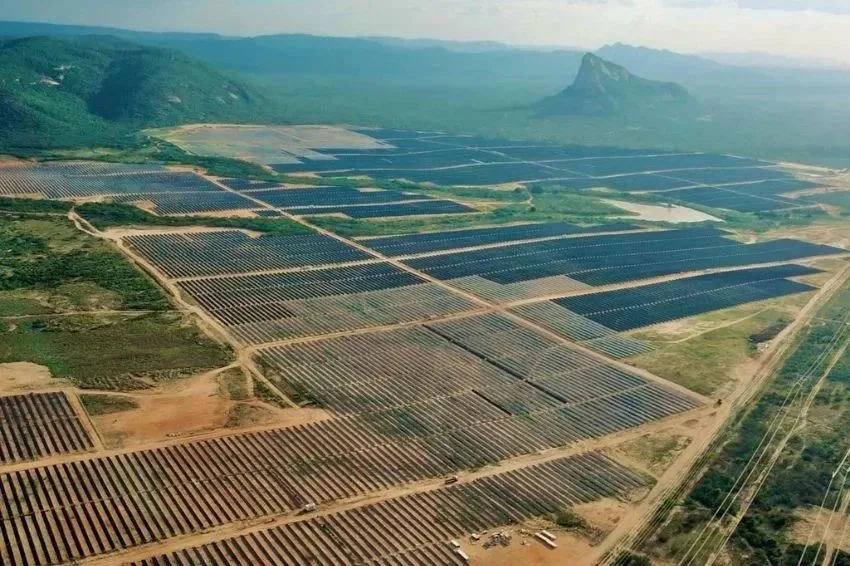

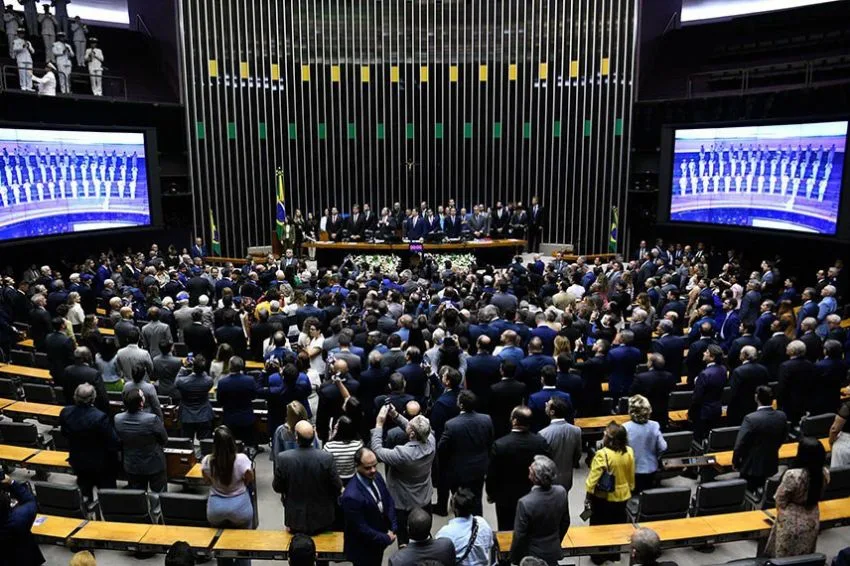
Solar energy has become the main technology for the energy transition on the agenda of the National Congress, but the Legislative branch's actions still present important gaps in the construction of a long-term energy policy.
This is what a groundbreaking study by FGV Direito Rio indicates, which analyzed more than 700 legislative proposals presented by deputies and senators between 1988 and 2024.
Among the technologies evaluated, solar energy leads by a wide margin in terms of interest from parliamentarians, appearing in 153 proposals, ahead of biofuels (120) and wind energy (56).
According to researchers, this prominence accompanies the rapid expansion of distributed generation (DG) and the growing economic interest in the source, both from consumers and investors.
The survey shows that the main strategy adopted by Congress to boost the energy transition in the country involves the creation of tax incentives and benefits.
The prevalence of this type of proposal indicates that the Legislature has prioritized mechanisms to stimulate investment, rather than instruments focused on long-term planning and regulation.
"Brazil can lead the transition, but this depends on Congress's ability to transform natural advantages into sustainable development through systemic policies, not just sectoral lobbying," the research highlights.
Legislative output increases during crises in the sector.
According to researchers, legislative activity related to the energy transition gains momentum during times of increased pressure on the electricity sector.
It is no coincidence that periods of peak project production coincide with periods of energy crises, regulatory changes, technological advancements, and international discussions about climate change.
"The result is unnecessary subsidies, overlapping programs, and operational dysfunctions in the electricity sector. Congress has legislated a lot; it hasn't always legislated well," the study highlights.
The research also concludes that the main challenges of Brazil's energy transition are no longer technological. "The central challenge is institutional: regulatory coordination, legal certainty, and the quality of legislation."
According to the authors, Brazil's leading role in the energy transition in the coming years will depend less on the abundance of natural resources and more on the capacity of institutions to transform these advantages into sustainable development.
all the content of Canal Solar is protected by copyright law, and partial or total reproduction of this site in any medium is expressly prohibited. If you are interested in collaborating or reusing part of our material, please contact us by email: redacao@canalsolar.com.br.