
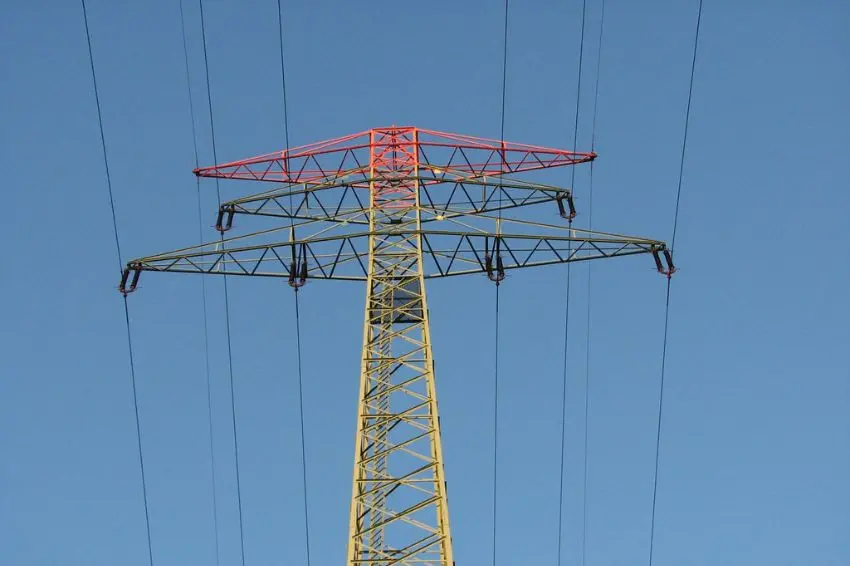
The energy market is already operating on high alert due to the possibility of an El Niño event forming in the second half of this year.
Climate models monitored by NOAA (National Oceanic and Atmospheric Administration) indicate an 82% probability of the phenomenon forming between May and July and a 96% chance of it persisting throughout the summer of 2026/2027.
NOAA is a scientific agency of the United States government that monitors the climate and oceans, and is frequently consulted in Brazil for weather forecasts and global climate phenomena (such as El Niño).
One of the main effects of the climatic phenomenon on the electricity sector is the increase in energy consumption caused by higher temperatures. In addition, El Niño tends to reduce rainfall in the North and Northeast regions and delay the start of the rainy season in the Southeast and Midwest.
Load and hydrology are fundamental factors in the formation of energy prices. The combination of these effects, according to industry professionals, points to a scenario of pressure on prices in the second half of the year, precisely at a time that worries consumers in the Free Market who are renewing their contracts.
Behind the scenes, trading companies have already begun advising consumers who have not yet purchased shares about this more adverse scenario. The recommendation has been to close positions in advance before a possible sharper price increase.
The problem is that prices are already operating at high levels this year, above the R$ 200/MWh range. According to information from BBCE (Brazilian Energy Trading Platform), contracts for the second half of the year are being negotiated close to R$ 280/MWh.
Data from Abraceel (Brazilian Association of Energy Traders) indicates that approximately 10 GW on average, equivalent to 32,6% of the total volume contracted in the Free Market, is tied to short- and medium-term contracts, between six months and two years, according to information published by Reuters.
"The reservoirs in the Southeast and Midwest regions are still operating at relatively comfortable levels, but the delayed rains and high temperatures should accelerate the consumption of these reserves throughout the second half of the year," said Matheus Machado, market intelligence specialist at Grupo Bolt.
"With the North and Northeast facing prolonged drought, dependence on the Southern subsystem increases, which has a predominance of run-of-river power plants and less storage capacity. This imbalance increases the need to activate thermal power plants, putting pressure on the spot market and increasing the cost of energy for consumers and companies," he adds.
The impacts should also be felt by consumers in the regulated market. The scenario caused by El Niño increases the risk of triggering red tariff flags, adding extra costs to Brazilians' electricity bills. The last time the country operated under a red flag was in November 2025.
“We are entering a seasonally drier period, with a downward trend in reservoir levels, especially in the southern region, which is already operating close to the minimum level. This significantly increases the likelihood of maintaining the yellow alert level or even activating the red alert level 1 as early as June,” says Machado.
You may also be interested
The return of El Niño raises concerns about the operation of the electrical system.
all the content of Canal Solar is protected by copyright law, and partial or total reproduction of this site in any medium is expressly prohibited. If you are interested in collaborating or reusing part of our material, please contact us by email: redacao@canalsolar.com.br.



Comments
Comments are moderated before publication.Comments should be respectful and contribute to a healthy debate. Offensive comments may be removed. The opinions expressed here are those of the authors and do not necessarily reflect the views of the author. Canal Solar.