

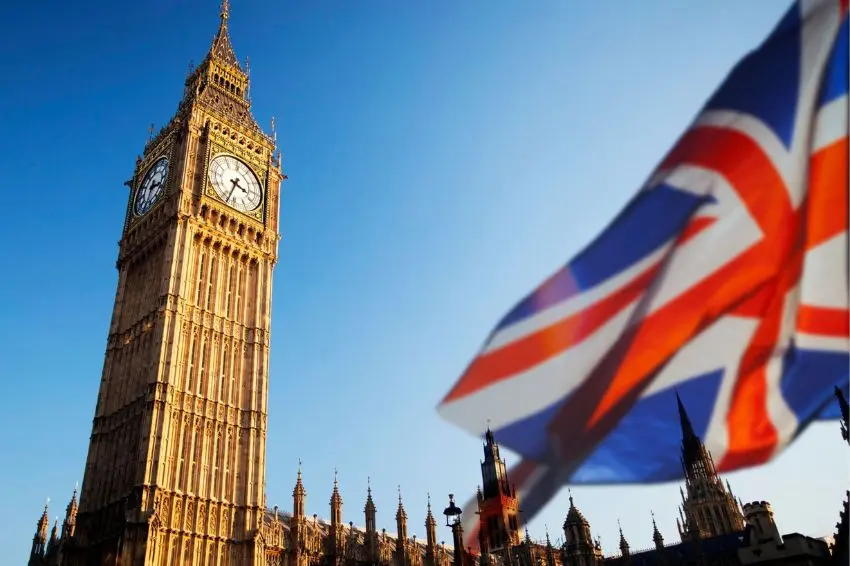
Prime Minister Andy Burnham announced that the UK government will eliminate the 5% tax levied on residential electricity bills from October 1st.
The measure should generate an average saving of £45, around R$306,00 per year for each family. The information is from Reuters, based on a statement released by Downing Street this Tuesday (21).
The VAT (Value Added Tax) cut is among the first measures announced by the minister since he took office as prime minister, this Monday (20), and seeks to reduce household expenses in the face of the high cost of living in the country.
Unlike previous proposals, which aimed to concentrate aid on the most vulnerable consumers, the removal of the tax seeks to benefit all residential electricity consumers.
To finance the measure in the current fiscal year, the British government decided to cancel the digital identity program inherited from the previous administration. The project had a planned budget of £1,8 billion, equivalent to approximately R$12,2 billion.
The digital identity program is a plan for all employees to possess a digital identity document, a scheme designed to combat illegal immigration but deemed a "fiasco" by a multi-party committee of legislators.
Even before taking office, Burnham had already signaled that he would abandon the project. With the cancellation, the planned resources will be redirected to finance the reduction of taxes on electricity.
Pressure on energy bills
The decision comes amid high energy costs faced by British consumers. Prices rose significantly after the invasion of Ukraine in 2022, driven mainly by fluctuations in the gas and electricity markets.
This month, according to information cited by the newspaper O Globo, British families faced the biggest increase in energy bills since 2023, driven by higher prices in the wholesale market.
The country's tariff ceiling, a mechanism that limits the prices charged by energy suppliers, will be updated again at the end of August. The new prices will come into effect in October, coinciding with the start of the peak heating demand season.
The proposal to remove VAT from energy bills has also been questioned regarding its cost and scope. The IMF (International Monetary Fund) previously classified the measure as expensive and with a limited impact on inflation.
Analyses by the Institute for Fiscal Studies indicate that, although the tax reduction represents proportionally greater relief for low-income families, higher-income consumers may achieve greater savings in absolute terms because they generally consume more energy.
all the content of Canal Solar is protected by copyright law, and partial or total reproduction of this site in any medium is expressly prohibited. If you are interested in collaborating or reusing part of our material, please contact us by email: redacao@canalsolar.com.br.