
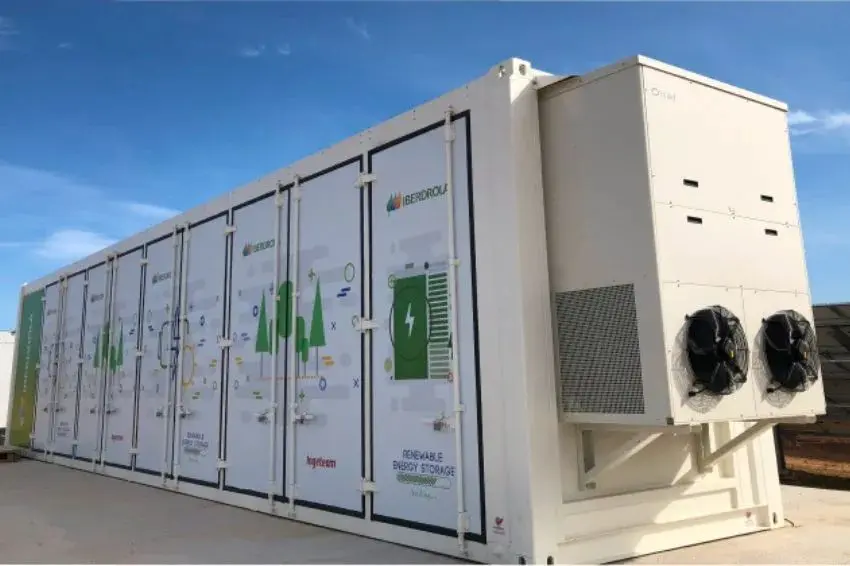
CONEMA (State Environment Council) of Rio Grande do Norte, approved last Thursday (30), the Resolution No. 01/2026, which establishes criteria for the environmental licensing of battery energy storage systems in the state.
According to the resolution, storage systems may operate independently (stand-alone); or be associated with wind or solar power plants.
The regulation also establishes that adjacent projects must be analyzed in an integrated manner, considering the combined environmental impacts.
Licensing proportional to size
The resolution defines the classification of projects according to size, based on storage capacity measured in MWh, and defines the applicable types of environmental licensing, which include LS (Simplified License), LP (Preliminary License), LI (Installation License) and LO (Operating License), among other modalities.
However, according to the criteria, projects with a capacity equal to or less than 10 MWh may be exempt from environmental licensing, provided they are not located in sensitive areas, such as conservation units, Permanent Preservation Areas, or regions with recognized socio-environmental fragility.
The resolution defines environmental requirements according to the size of the projects. For smaller projects, an Environmental Assessment Report (RAA) will be required. Medium and large projects will need to submit a Simplified Environmental Report (RAS), including a risk analysis.
Werner Farkatt, director-general of IDEMA (Institute for Sustainable Development and Environment of Rio Grande do Norte), explained that the measure contributes to creating a more predictable environment for the sector.
According to Farkatt, the regulation brings more legal certainty, predictability, and transparency to environmental licensing processes, factors considered essential to attract investments and ensure that development occurs responsibly.
"Storage systems allow for greater efficiency in the energy matrix, avoiding waste and expanding the capacity to utilize clean energy produced in Rio Grande do Norte," he stated.
Environmental requirements and responsibilities
IDEMA will be responsible for the technical analysis of licensing processes, with the prerogative to request supplementary information, conduct inspections, and define mitigating and compensatory measures.
Among the requirements foreseen are the development of risk and waste management plans, reverse logistics for batteries, and the decommissioning of systems at the end of their useful life.
The regulation also establishes the holding of technical meetings in cases of socio-environmental conflicts and ensures prior, free and informed consultation with potentially impacted indigenous, quilombola and traditional communities, as determined by current legislation.
According to Thales Dantas, technical director of IDEMA, the regulation also strengthens the role of environmental licensing as a planning tool.
“A well-structured licensing process allows for anticipating risks, defining mitigating measures, and ensuring that projects are implemented responsibly. This resolution enhances this process and provides greater clarity for both the environmental agency and the developer,” he noted.
all the content of Canal Solar is protected by copyright law, and partial or total reproduction of this site in any medium is expressly prohibited. If you are interested in collaborating or reusing part of our material, please contact us by email: redacao@canalsolar.com.br.