
For over a hundred years, the Brazilian electricity sector functioned as a one-way street. Energy was produced in large power plants, transmitted through long lines, and passively distributed until it reached the consumer. This centralized model was efficient for the 20th century, but it no longer meets the needs of the 21st century.
We are witnessing a historic transformation comparable to the arrival of the internet or mobile telephony. Electricity is no longer just an instantaneous flow, but a manageable, digital, intelligent, and distributed resource. It is at this point that energy storage ushers in a new era.
What changes is not just the technology, but the logic of the system. If before the consumer was a passive agent, now they can become a producer, storer, and trader of energy.
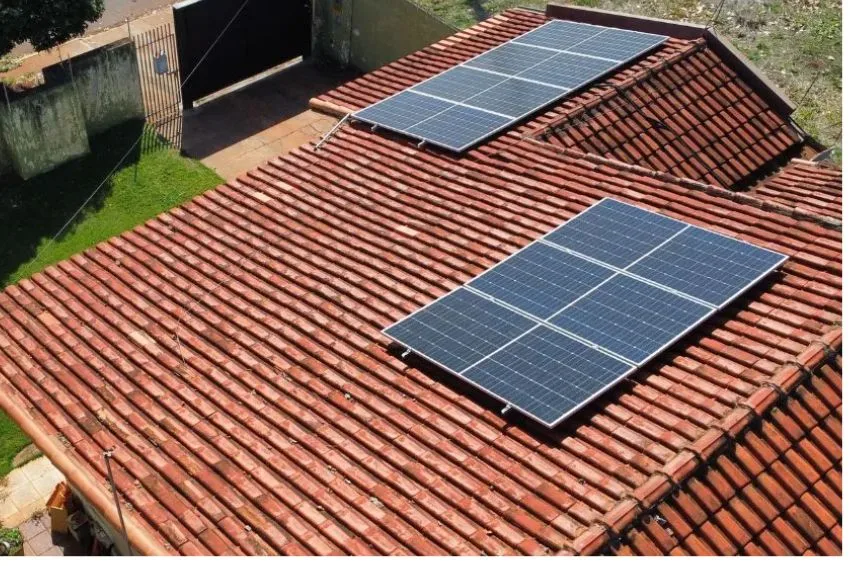
Solar panels on rooftops, batteries in homes and businesses, electric vehicles connected to the grid, microgrids In hospitals and universities: all of this makes up a mosaic of distributed energy resources that challenges traditional infrastructure.
But for this revolution to happen, the electrical grid needs to stop being just a wire that carries energy and transform into an intelligent exchange platform. Storage is the missing link for this transformation.
This is not some distant, futuristic vision. In recent years, the entire world has been investing in energy storage systems. China, the United States, Germany, and Australia have already demonstrated that batteries are not just a capital expense, but an investment in efficiency, resilience, and competitiveness.
Brazil, with one of the cleanest electricity grids on the planet, has the opportunity to lead this new energy economy. But to do so, it needs to understand that modernization will not come solely from renewable generation. It will come from grid intelligence.
Energy storage is versatile. It reduces the intermittency of renewable sources, improves electricity quality, shifts consumption to cheaper times, decreases peak demand, provides backup in case of failures, enables blackouts in critical situations, and integrates multiple sources into microgrids.
In other words, it transforms energy into something much more flexible and reliable. This flexibility is what will allow millions of consumers to become protagonists in the energy transition.
But there is an even deeper aspect. Storage changes society's relationship with energy. Just as the internet has ceased to be merely a network of computers and has become the infrastructure of the digital economy, the smart grid will be the infrastructure of the new economy.
Electric vehicles, artificial intelligence, green hydrogenData centers, smart cities, and Industry 4.0 will depend on a network capable of dynamically integrating production, consumption, and storage. Energy is no longer just a commodity but a platform for development.
This transformation also has economic and social implications. Energy storage will reduce systemic costs, increase resilience in case of blackouts, strengthen energy security, and democratize access. The financial market has already realized this.
Recent reports suggest that sodium batteries could usher in a "new era of oil," with billions of dollars in investments projected by 2035.
Although sodium will not replace lithium, the coexistence of these technologies opens up space for diverse applications and creates industrial opportunities for Brazil. It's not just about importing batteries, but about participating in the value chain of the new energy economy.
What we are experiencing is a civilizational shift. In the 20th century, the goal was to generate more energy. In the 21st century, the goal will be to produce, store, share, and use energy intelligently. This is the true modernization of the Brazilian electricity sector.
And that is why I am inaugurating this series of articles: to show that storage is not just a technology, but the beginning of a new era. An era in which energy will be free, democratized, universalized, and low-cost.
But understanding energy storage requires first understanding why our electrical grids can no longer meet the needs of the 21st century. That's what we'll discuss in the next article.
The opinions and information expressed are the sole responsibility of the author and do not necessarily represent the official position of the author. Canal Solar.