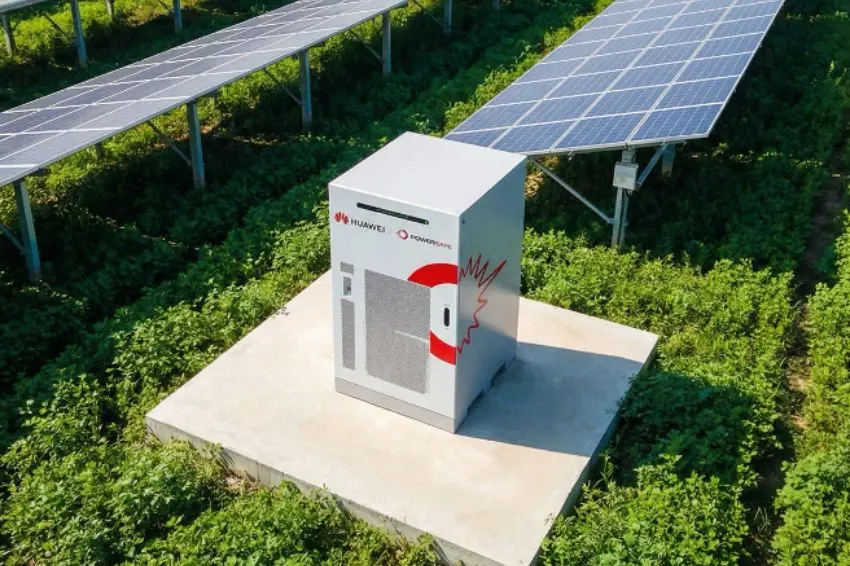

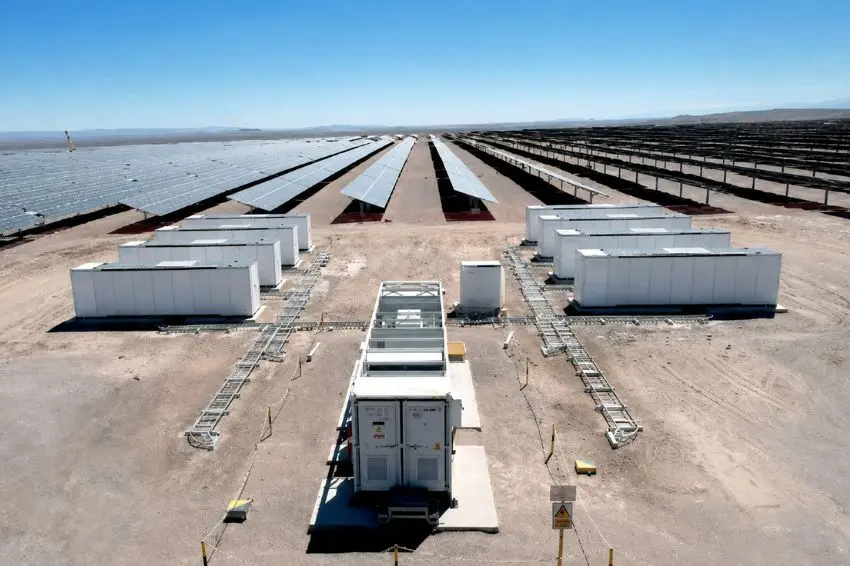
Global installed capacity of energy storage systems reached 112 GW in 2025, a 48% increase compared to the previous year, according to data released by BloombergNEF.
However, the most striking finding of the survey is the speed of the sector's expansion. According to the consultancy, it took only four years for storage to increase its annual installed capacity from 10 GW to over 100 GW.
For comparison, solar energy took eight years to reach the same milestone, while wind power took 15 years. "This record highlights the growing dynamism of the market and the greater maturity of the sector," assessed BloombergNEF.
This acceleration comes at a time when energy storage is also becoming increasingly economically competitive. In a report released this week, BNEF pointed out that the levelized cost of energy (LCOE) of storage systems has fallen to US$72/MWh in 2025, becoming lower than that of gas-fired power plants for the first time.
According to the consultancy, the cost reduction was mainly driven by the expansion of the Chinese battery industry and the growth in electric vehicle production, factors that increased the scale of manufacturing and pushed prices down.
China leads global expansion.
China remains the world's leading energy storage market, concentrating more than half of the global installed capacity and accounting for 54% of new installations in 2025. The United States follows, with a 16% share.
Australia, in turn, recorded one of the most significant growth rates of the period, with expansion almost six times greater than that observed in 2024, driven by favorable market conditions and new incentive programs for residential storage. Saudi Arabia, meanwhile, gained relevance in the global ranking as Chinese suppliers expanded their presence in the country.
Batteries are gaining ground over solar energy.
Another indicator highlighted by BloombergNEF shows that storage is rapidly closing the gap with solar energy expansion. By 2025, 1 MW of batteries will be installed for every 6 MW of solar power added globally. In 2016, this ratio was 1 MW of batteries for every 56 MW of solar power.
According to the consultancy, the ratio should fall to 4:1 as early as 2026, reflecting the acceleration of investments in storage even in the face of a slowdown in solar energy growth. BloombergNEF projects that the market will continue to expand strongly over the next decade, with a high probability of increasing annual installations to more than 300 GW by 2036.
The advance should be driven by a combination of factors such as falling battery costs, increased participation of renewable sources in the electricity mix, storage requirements associated with new projects, specific auctions for the segment, and the emergence of new demands, such as data centers and charging infrastructure for electric vehicles.
all the content of Canal Solar is protected by copyright law, and partial or total reproduction of this site in any medium is expressly prohibited. If you are interested in collaborating or reusing part of our material, please contact us by email: redacao@canalsolar.com.br.