

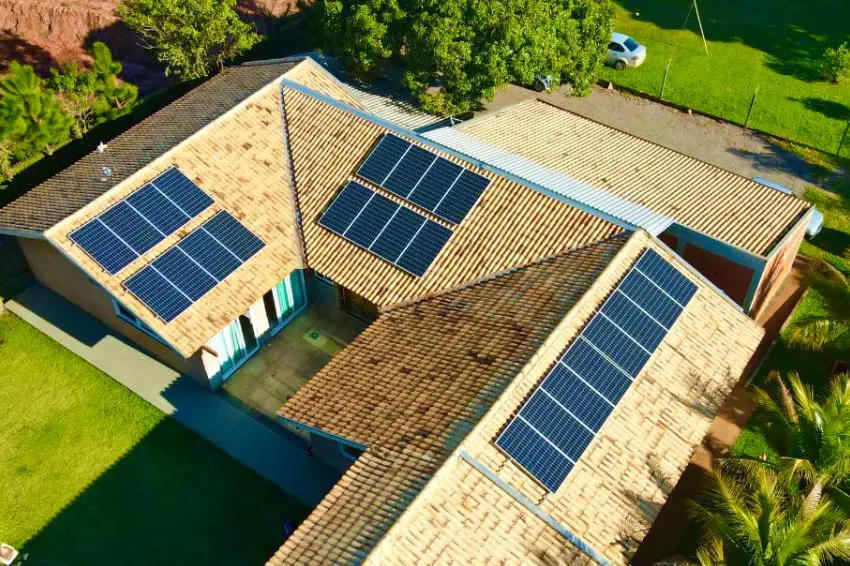
The last public hearing of ANEEL This brought the term "cross-subsidy" back to the forefront, used to characterize the benefits of distributed generation. This concept, far from being merely technical, reveals a narrative that weakens the decentralized and democratized energy model, precisely at the moment when it begins to reach the less favored segments of society.
Between 2019 and 2022, Brazil experienced intense demonstrations in defense of solar energy. It was a period of social and political mobilization that resulted in the approval of laws and regulations guaranteeing the right of access to the electricity grid for all Brazilians.
This collective effort opened up opportunities for thousands of entrepreneurs who created companies and helped popularize solar energy, establishing distributed generation as a viable and transformative alternative.
But the following period, from 2023 to 2025, was marked by a very different scenario. Utility companies created barriers for new consumers to access the grid, imposing bureaucratic and technical difficulties that hampered the expansion of distributed generation. New protests spread across Brazil, denouncing the attempt to curb the advancement of solar energy.
The regulation of ANEEL It needed to be revised, but the impact was severe: many companies closed their doors, unable to survive the imposed restrictions. The market, however, showed resilience. Today, with the advancement of battery storage and other innovative solutions, distributed generation has found alternatives to overcome these barriers and continues to expand.
As with any technology—be it a cell phone, a home appliance, or another consumer good—solar panels were initially adopted by the wealthier classes. But, over time, costs fell and access began to expand. It is precisely at this moment of democratization that discourses emerge attempting to block this progress.
The regulatory agency's use of the term "cross-subsidy" is not neutral: it suggests that solar energy consumers are being unfairly benefited at the expense of others. However, this view ignores the strategic role of distributed generation for the future of the electricity sector and disregards the collective effort that ensured its regulation.
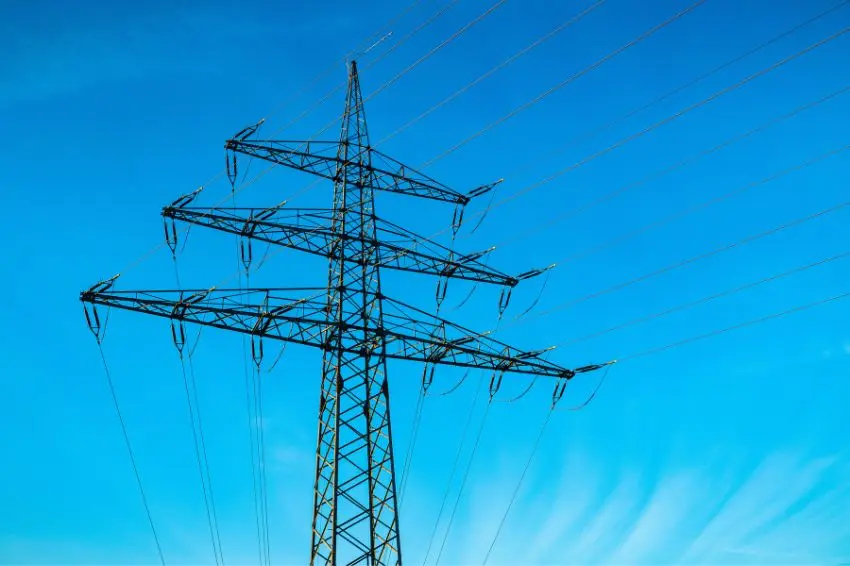
The central criticism is that this type of discourse reinforces the preservation of an oligopolistic model, based on large power plants and centralized networks, where technologies are already saturated. Distributed generation, on the contrary, is the great revolution capable of bringing resilience to the electrical system in times of blackouts and extreme weather events. It decentralizes power, strengthens local communities, and creates an environment of innovation that cannot be reduced to a supposed tariff distortion.
It's important to remember that the benefits of distributed generation aren't just individual. By relieving demand on large power plants, reducing transmission losses, and stimulating private investment, it contributes to the efficiency of the system as a whole.
To call this "cross-subsidization" is to disregard the social and strategic value of solar energy. More than a technical issue, it is a dispute over narratives: on one side, the defense of a centralized and oligopolistic model; on the other, the affirmation of a decentralized, democratic, and sustainable future.
A ANEEL Its role is to regulate with balance, ensuring safety and transparency. But it cannot allow itself to be captured by discourses that weaken the energy transition. Brazil needs regulation that recognizes distributed generation as an essential part of the electricity matrix, not as a problem to be contained.
The true energy revolution will not come from the large, already established power plants, but from the capacity of millions of Brazilians to generate their own energy, participate in smart grids, and build resilience in the face of climate crises. It is this democratization that must be protected. Because, in the end, the greatest risk is not "cross-subsidization." The greatest risk is hindering the solar revolution just as it begins to illuminate the homes of the less fortunate.
The opinions and information expressed are the sole responsibility of the author and do not necessarily represent the official position of the author. Canal Solar.
An answer
Excellent positioning. I repeat, every solar panel installed by the wealthy also helps the poor because the avoided hydroelectric and thermal energy benefits everyone.
This discourse is of no interest to the powerful vested interests who profit from the sector.