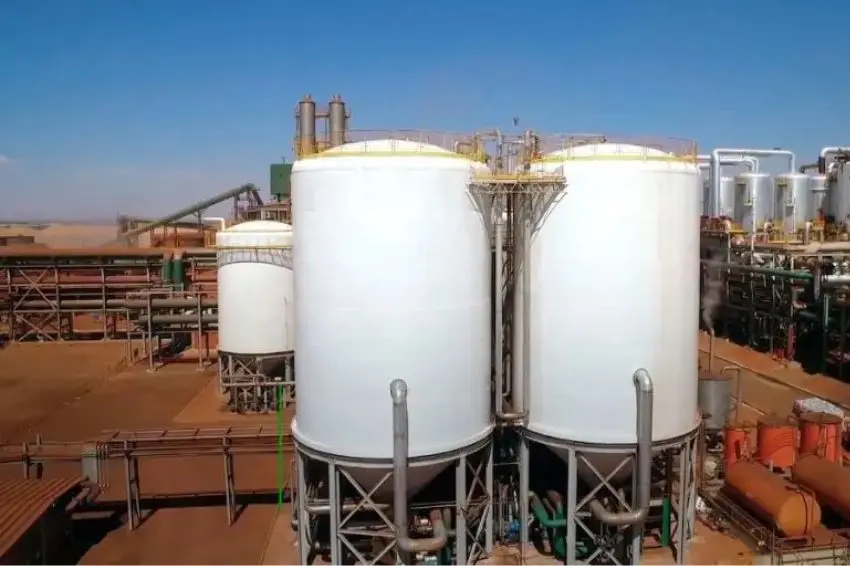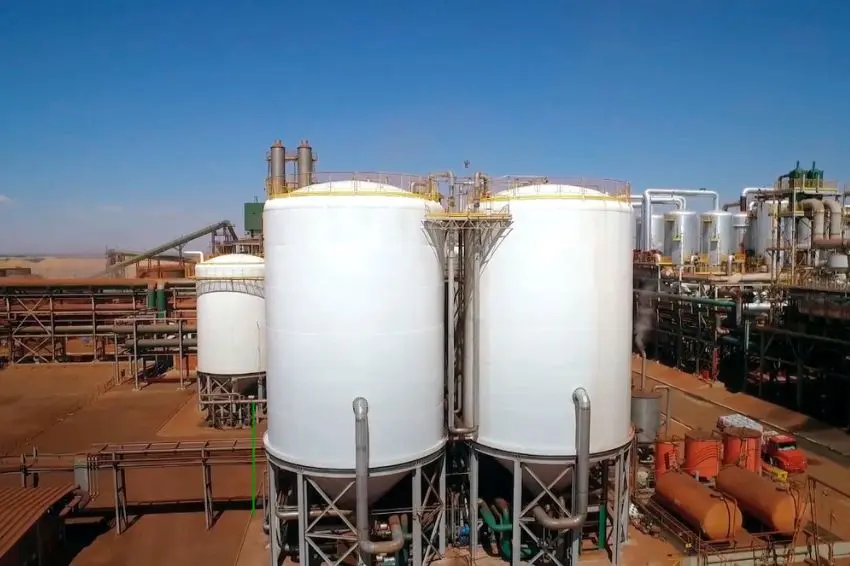
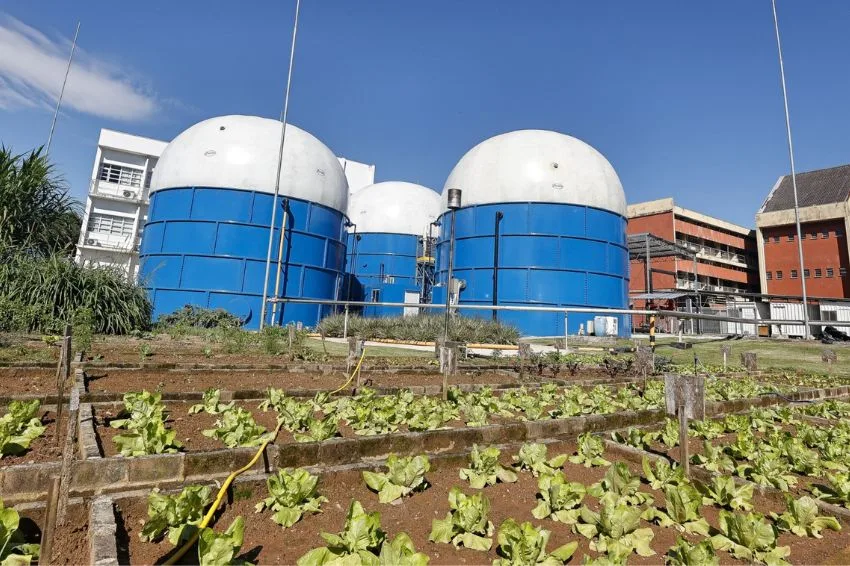
The University of São Paulo (USP) has put into operation a bioenergy and biofertilizer production plant at the Institute of Energy and Electrotechnics (IEE), a project developed to demonstrate, on a real scale, the conversion of organic waste into renewable energy and biofertilizers.
The project brings together electricity generation, biogas production, and the utilization of agricultural byproducts in a single structure, based on the principle of applying the concept of a circular economy.
In practice, the structure will allow USP to properly dispose of all organic waste produced on its campus, reducing its dependence on external solutions for treating this material and converting this environmental liability into electricity, biomethane, and biofertilizers.
In addition to meeting the university's research and development demands, the plant was designed to demonstrate the technical, economic, and environmental viability of this energy utilization model.
According to USP (University of São Paulo), the developed technological package can be replicated by municipalities, metropolitan regions, and large generators of food chain waste, such as food industries, supply centers, distribution networks, and restaurants.
Organization
The unit has a capacity licensed by Cetesb (Environmental Company of the State of São Paulo) to process up to 43 tons of organic waste per day.
This volume is sufficient to absorb all the organic waste produced by the USP campus, in addition to allowing the processing of materials from partner companies and institutions.
The plant features a cogeneration system comprised of a unit with a power output of 75 kW electrical and 84 kW thermal, in addition to another unit dedicated exclusively to electricity generation, with a capacity of 240 kW. Both are connected to the university's electrical distribution network.
According to data from USP (University of São Paulo), each ton of processed organic waste can generate approximately 110 cubic meters of biogas, enough to produce about 166 kWh of electricity.
REIDI
The focus on energy recovery from waste is also advancing in the private sector. In a recent decree published by the MME (Ministry of Mines and Energy), the Biomethane Maracanã project, owned by Solvi Essencis Ambiental, was included in the REIDI (Special Incentive Regime for Infrastructure Development), a benefit that suspends the application of PIS/Pasep and Cofins taxes on goods and services destined for the implementation of the project.
According to estimates presented by the Ministry of Mines and Energy (MME), the project foresees disbursements of R$ 490,6 million. With inclusion in the REIDI program, the value of goods and services subject to contributions drops to R$ 449,06 million.
Located in Caieiras (SP), the project consists of the construction of a plant for the purification of biogas from household solid waste, with a production capacity of 220 Nm³ of biomethane per day, distributed in two modules of 110 Nm³/day.
The renewable fuel will be purified to contain approximately 96% methane and then injected into the natural gas distribution network.
all the content of Canal Solar is protected by copyright law, and partial or total reproduction of this site in any medium is expressly prohibited. If you are interested in collaborating or reusing part of our material, please contact us by email: redacao@canalsolar.com.br.