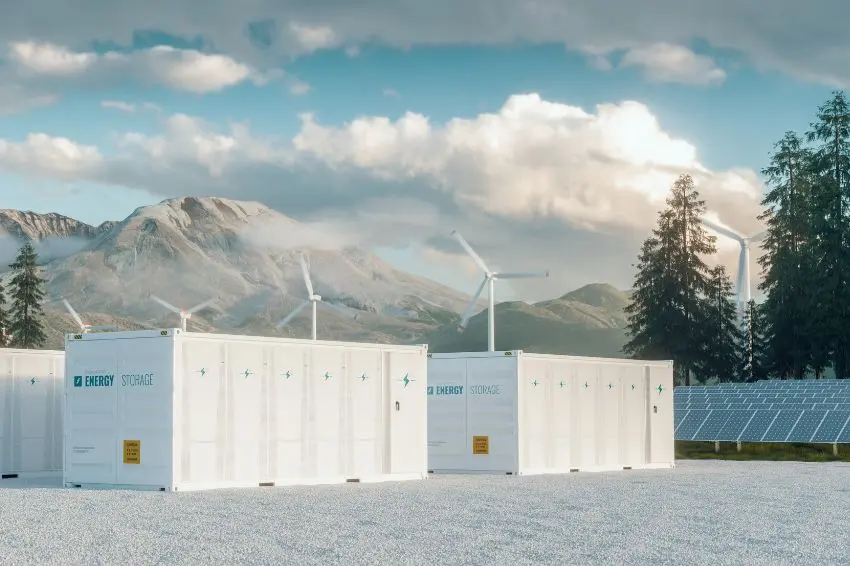
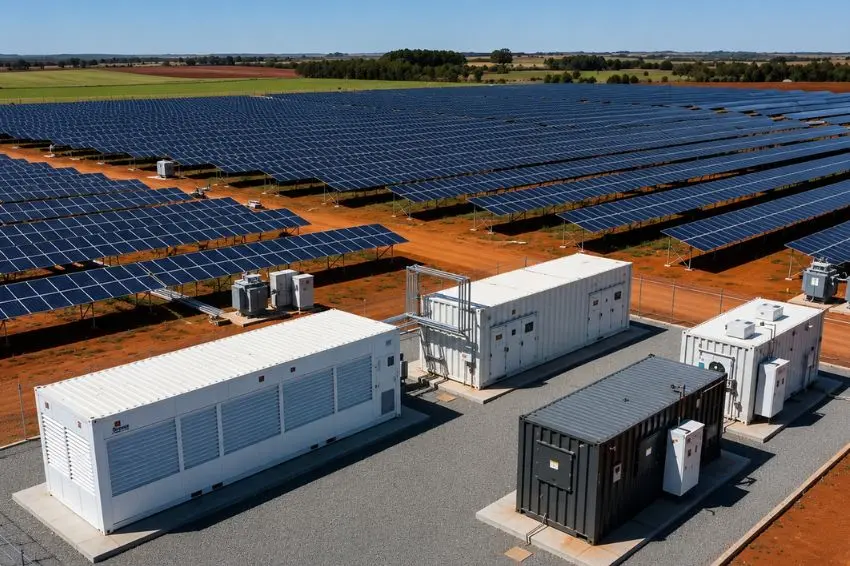
The publication of the draft of the notice for the first LRCAP-BESS (Auction for Reserved Storage Capacity), carried out by ANEEL (National Electric Energy Agency) this Tuesday (28), represents progress towards holding the tender, even without the definition of the rules for sharing the costs of contracting, assesses ABSAE (Brazilian Association of Energy Storage Solutions).
According to the association, it is important for the market to understand the distinction between two discussions regarding the tender, which establishes the rules for contracting battery storage systems connected to the SIN (National Interconnected System).
The first is the holding of the auction, which must comply with current legislation, which already defines who will be responsible for paying the costs of the contract. The second concerns how these costs will be divided among the agents in the sector.
According to ABSAE, this regulation should occur through a specific process, including a Regulatory Impact Analysis (RIA), public consultation, and legal justification, and could be completed by August 2028, when the systems are expected to become operational.
In a statement, the organization affirms that the proposal analyzed by ANEEL It acknowledges that current legislation assigns the costs to generators, but that there is still no definition regarding the criteria for sharing the costs among these agents. The association also emphasizes that the rapporteur's vote, Gentil Nogueira, preserves the Agency's competence to regulate this issue later.
"We do not advocate any regulatory shortcuts." ANEEL "The current legislation must be applied, but the debate surrounding the tender should not anticipate exclusions or create allocation criteria without due regulatory process," stated Fabio Monteiro Lima, executive director of ABSAE.
According to him, the auction can perfectly proceed while the regulations for the revenue sharing are being developed. As an example, the executive cites the first LRCAP, held in 2021.
At the time, the auction took place in December of that year, but the contracts with the developers were signed in July 2022, and the rules for the agents responsible for paying for the capacity were only approved in October 2024.
According to ABSAE, this history demonstrates that it is possible to finalize the cost-sharing regulations after the projects have been contracted, without compromising the implementation of the ventures. Finally, the organization emphasized that it will participate in the public consultation with suggestions to improve the tender.
“Legal certainty and operational security result from the clear definition of each institution's responsibilities. Brazil already possesses sufficient technical knowledge, operational requirements, and regulatory experience to move forward, improving the rules in parallel and within their respective competencies,” Lima concludes.
all the content of Canal Solar is protected by copyright law, and partial or total reproduction of this site in any medium is expressly prohibited. If you are interested in collaborating or reusing part of our material, please contact us by email: redacao@canalsolar.com.br.