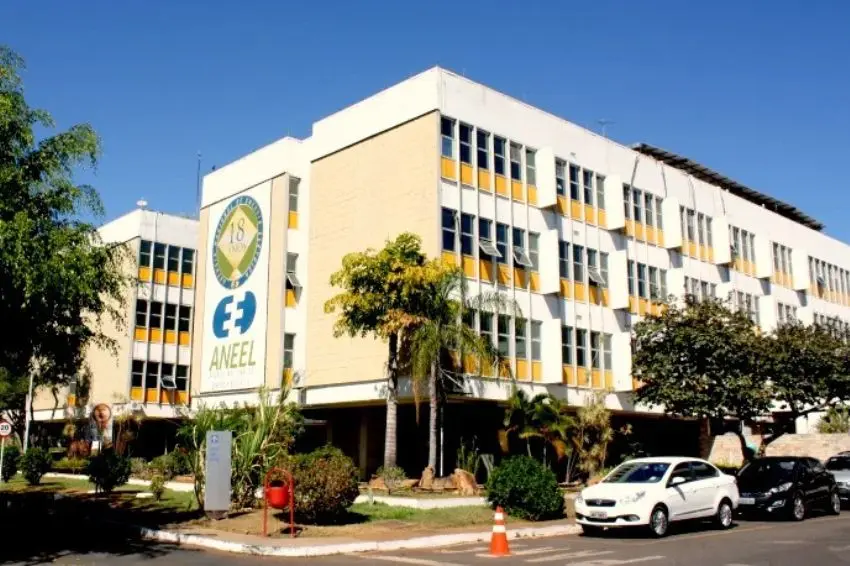

An event held this Tuesday (25), in São Paulo (SP), brought together representatives of ANEEL (National Electric Energy Agency), ABGD (Brazilian Association of Distributed Generation) and researchers to discuss some of the most sensitive issues in the electricity sector.
Among them is the valuation of the costs and benefits of MMGD (micro and mini distributed generation), as provided for in Law 14.300/2022, at a time of rapid expansion of this modality in the country.
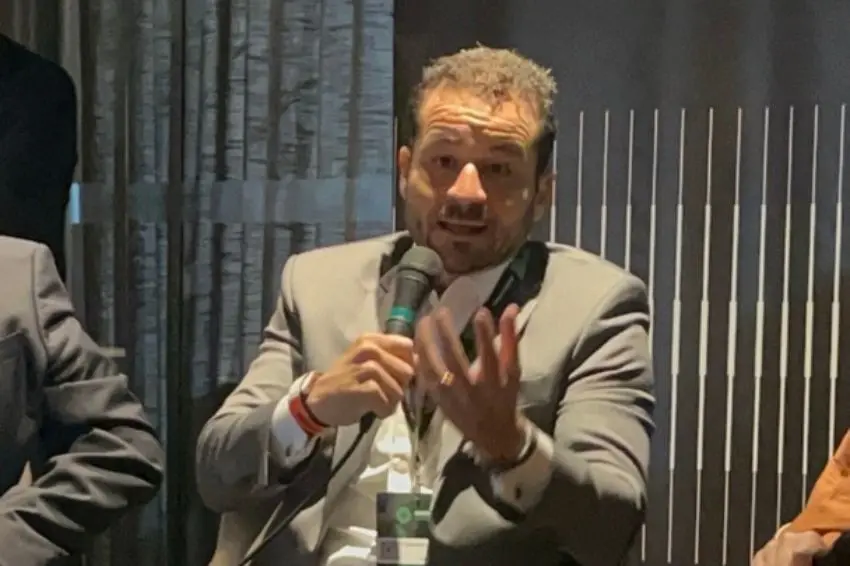
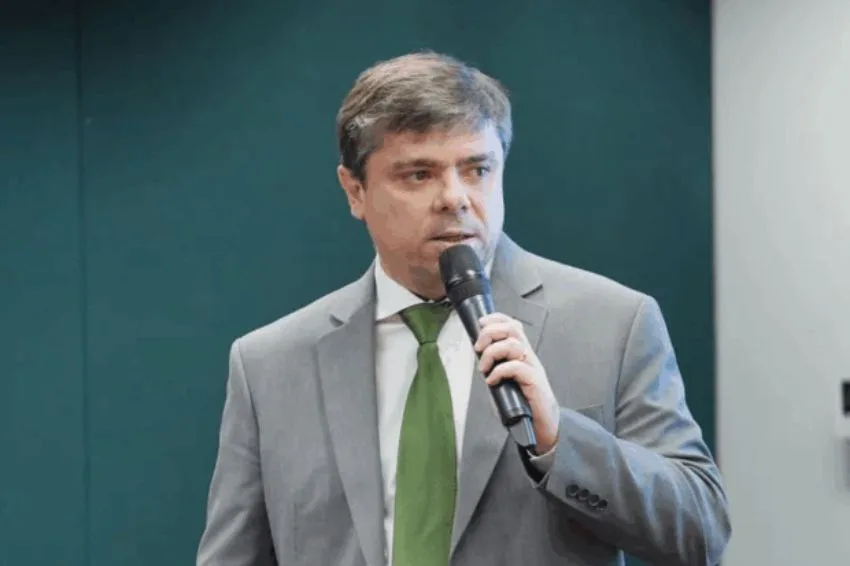
The debate was moderated by the director of ANEELGentil Nogueira, and included the participation of José Marangon, advisory board member of ABGD; Carlos Café, vice-president of ABGD; and Dorel Ramos, general director of MRTS Consultoria e Engenharia.
The discussions focused on three main themes:
- How to measure the costs and benefits of distributed generation in a fair, technical, and communicative way;
- The role of battery storage as a solution to grid operational challenges;
- The need for more sophisticated and predictable price signals to guide investors, distributors, and consumers.
Balance between complexity and simplicity.
Right at the opening, Nogueira highlighted that valuing distributed generation (DG) will be one of the biggest challenges of his term at the Agency. He recalled that Law 14.300 requires that... ANEEL Establish criteria for measuring the costs and benefits of the modality, and ensure that this process reaches the Agency at an "adequate level of maturity" so that technical studies can be transformed into applicable rules.
A central point of the director's speech was... ANEEL It was a balance between technical depth and regulatory simplicity. According to him, if the analysis is excessively detailed, with many variations by feeder, region or load profile, the result may be impractical from a tariff point of view and incomprehensible to society.
On the other hand, oversimplifications also generate distortions and open the door to questioning and litigation. The big question, Gentil summarized, is "what level of complexity do I accept as reasonable to deliver something economically viable, communicable to society, and with little room for contestation?"
Valuation of GD remains delayed.
The regulation of the valuation of distributed generation, originally scheduled to be completed by ANEEL The deadline of up to 18 months after the publication of Law 14.300/2022, on January 7, 2023, remains delayed and has become one of the most sensitive points in the regulatory debate.
The legal deadline was not met because the CNPE (National Council for Energy Policy) took almost two years to publish the guidelines that govern the methodology, pushing back the Agency's timeline.
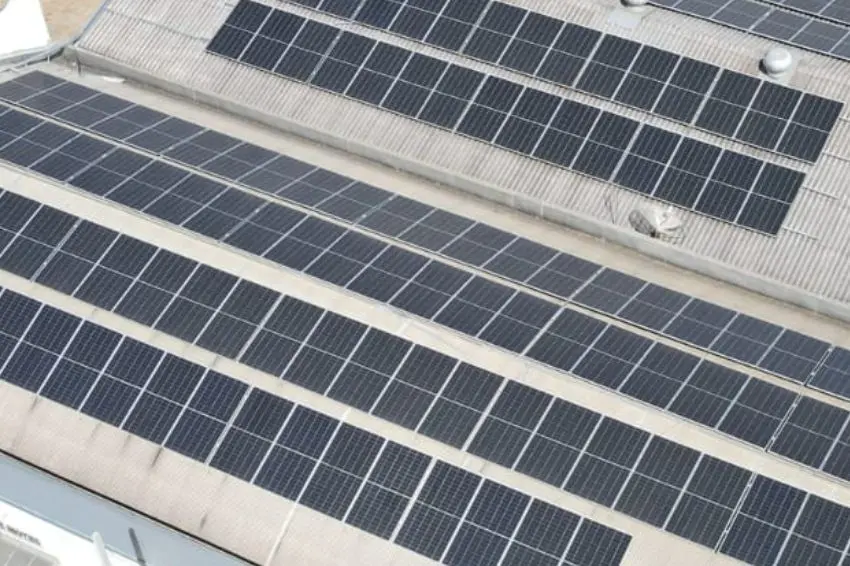
Now, the ANEEL It is evaluating alternatives to accelerate the process, but acknowledges that it is a complex task that requires extensive technical debate, multiple public consultations, and extra care to avoid generating tariff distortions, especially in a scenario with almost four million distributed generation (DG) systems already connected to the grid.
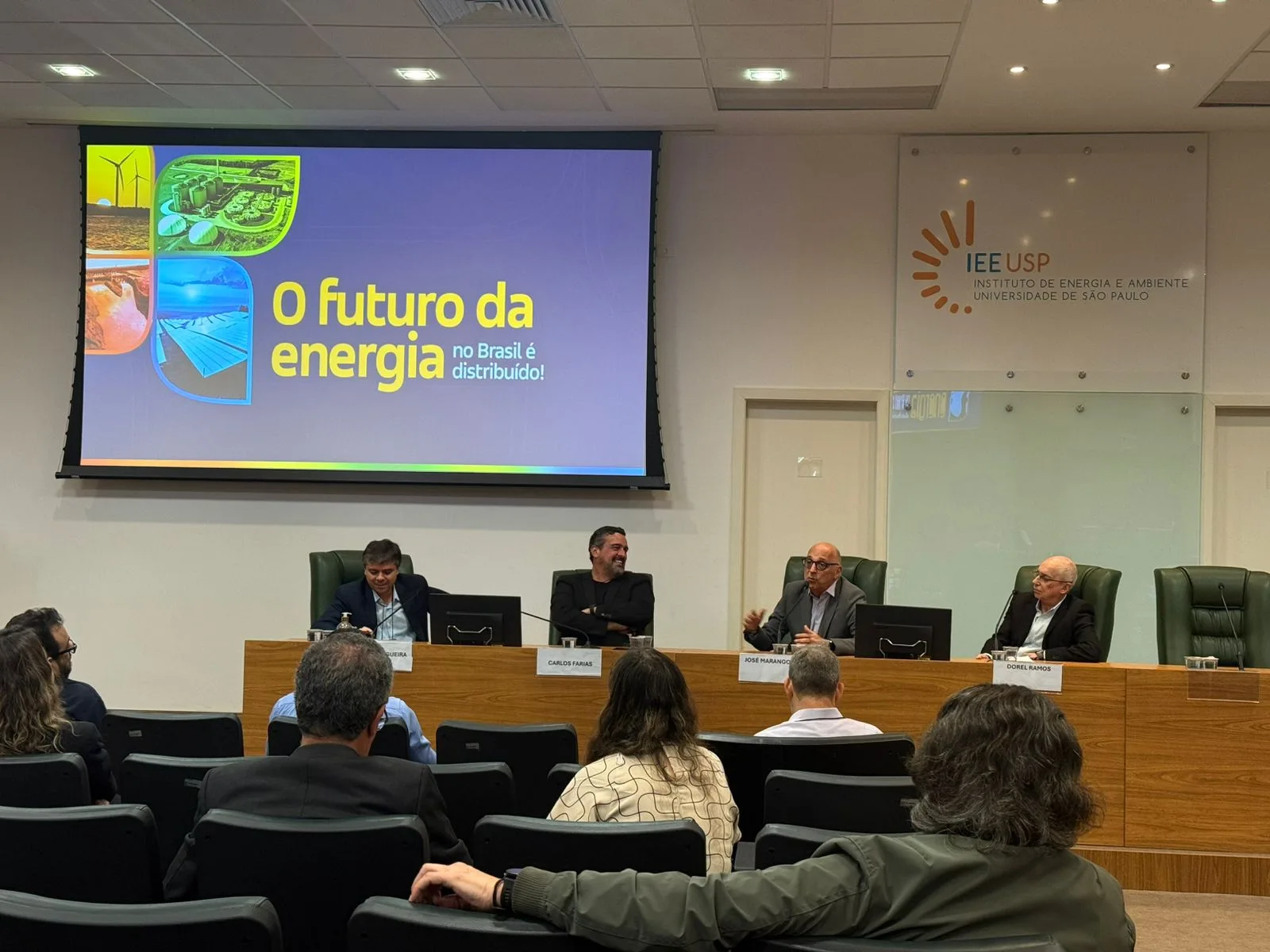
The event discussed sensitive issues in the national electricity sector. Photo: Canal Solar
Effect of distributed generation penetration on the network
Marangon, in turn, presented during the event a study carried out by ABGD, based on data from ANEEL Over the course of approximately ten years, it has gathered detailed information from tens of thousands of feeders and millions of low- and medium-voltage network segments.
Based on this foundation, he explains that the study's technical team selected typical feeders, representative of a significant portion of the distribution system, and simulated different levels of distributed generation (DG) penetration.
Marangon proposed an operational classification into low, medium, and high penetration, highlighting that:
- In areas with low penetration, distributed generation (DG) tends to benefit the grid by reducing losses and relieving loads;
- With average penetration, the net benefits begin to diminish;
- In high penetration areas, operational restrictions and problems arise that require additional actions (network reinforcements, voltage control solutions, storage, among others).
The professional also criticized analyses that present only the "worst-case scenario," emphasizing that most networks are not yet in a critical situation and that it is necessary to look at the complete statistical picture, not just extreme cases.
Storage and cargo aggregator
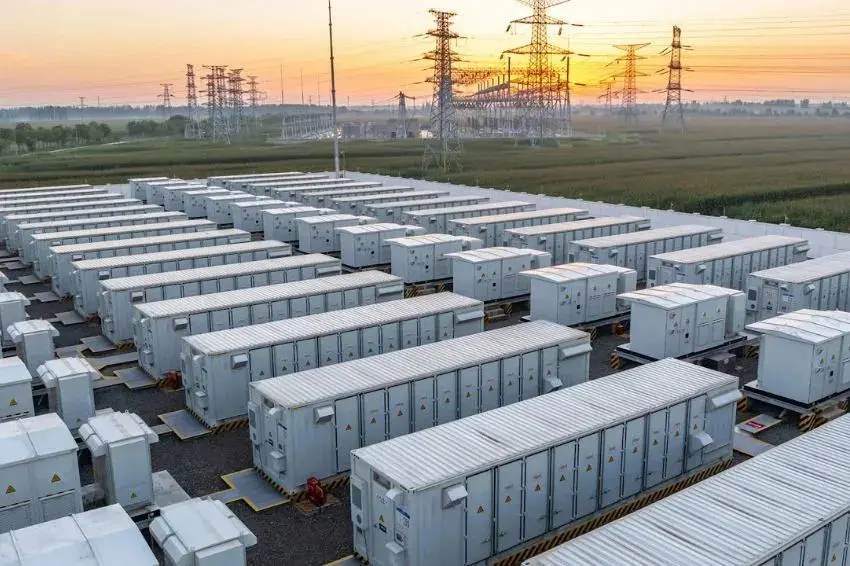
One of the points of convergence in the panel was the view that battery-based storage and storage (BESS) can be central to enabling high levels of distributed generation penetration without compromising the quality of supply.
Dorel Ramos highlighted that batteries can mitigate reverse flow and overvoltage problems; reduce losses at certain times; and also allow energy generated during periods of excess to be shifted to times of higher demand.
He noted that, initially, the distributors themselves could use storage as an alternative for expanding the network, incorporating batteries into the regulatory remuneration base, provided that the investments are recognized as "prudent" by the regulatory body. ANEEL.
Another relevant point was the figure of the load aggregator – a kind of “mini-operator” that brings together small consumers, generators and distributed resources (including batteries and microgrids) to provide demand response and ancillary services.
According to Ramos, this model is already well-established in international markets and could be crucial in Brazil for integrating small players into the system's operation, both at the distribution and transmission levels.
Planning, transmission and risk of idle investments
The debate also focused on long-term planning for transmission and the expansion of self-generation systems. Marangon drew attention to the risk of the country investing heavily in transmission without adequately incorporating the effect of distributed generation in planning, which could lead to underutilized assets in the future if this modality and storage advance faster than expected.
On the other hand, Sumara Ticom, director of Planning at ONS (National System Operator), pointed out that the current problem with the system is power, especially at night, and that transmission remains essential to guarantee security of supply, particularly to bring energy from the Northeast to the Southeast at night, when solar power is not available.
Among the event participants, there was a consensus that distributed generation (DG), storage, and transmission are not mutually exclusive, but require integrated planning to avoid both unnecessary expenses and the risk of insufficient power..
all the content of Canal Solar is protected by copyright law, and partial or total reproduction of this site in any medium is expressly prohibited. If you are interested in collaborating or reusing part of our material, please contact us by email: redacao@canalsolar.com.br.