
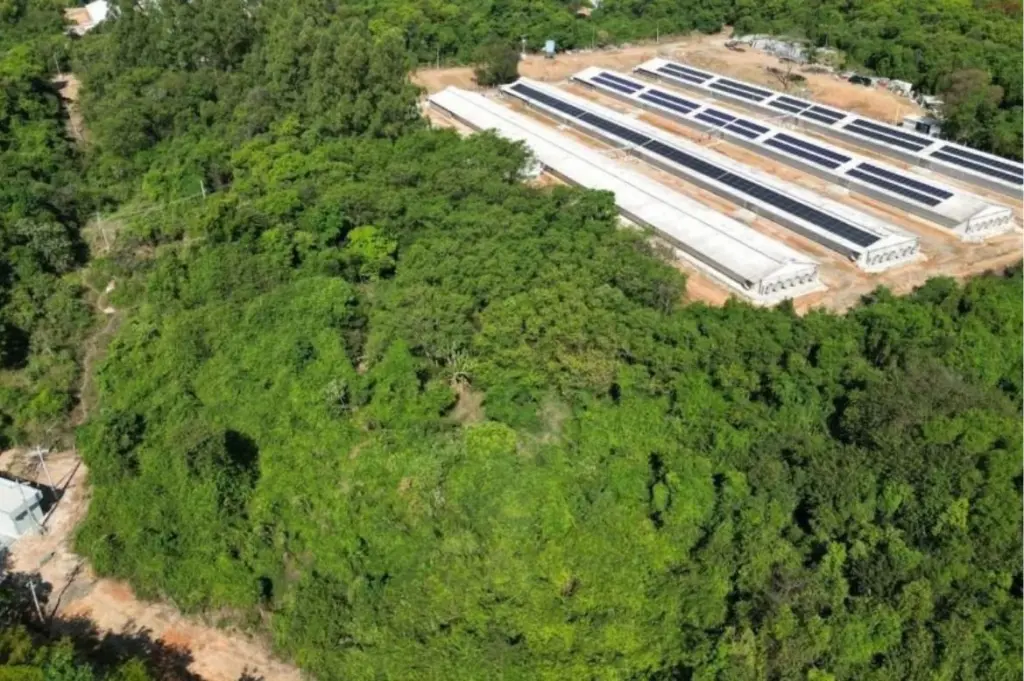
The Rivelli Alimentos breeding farm in Carmo do Cajuru (MG) has started operating with a hybrid system that integrates batteries, solar generation, the electrical grid, and a diesel generator. Developed by Powersafe and Zipp Energia, the project is the first battery-based energy storage system (BESS) installed for a private client in Minas Gerais with full approval from Cemig D.
The structure utilizes six Huawei LUNA2000 cabinets, with a combined capacity of 1,29 MWh, and a 378 kWp photovoltaic plant. KBTZ Engenharia participated in the construction and infrastructure integration, while HDT Energy integrated the supply chain.
Reduced costs
In addition to ensuring supply in emergency situations, batteries are used in daily consumption management. The expectation is to reduce the energy bill by approximately 50%. The system controls peak demand up to 360 kW, shifts consumption outside of peak hours, and helps correct the power factor, avoiding additional charges.
The 540 solar modules, installed on three warehouses, total 378 kWp. The project operates on a zero-grid model, without injecting energy into the utility grid. The battery can be charged during more favorable periods and used during peak hours, reducing grid consumption to zero during that interval.
Autonomy and security
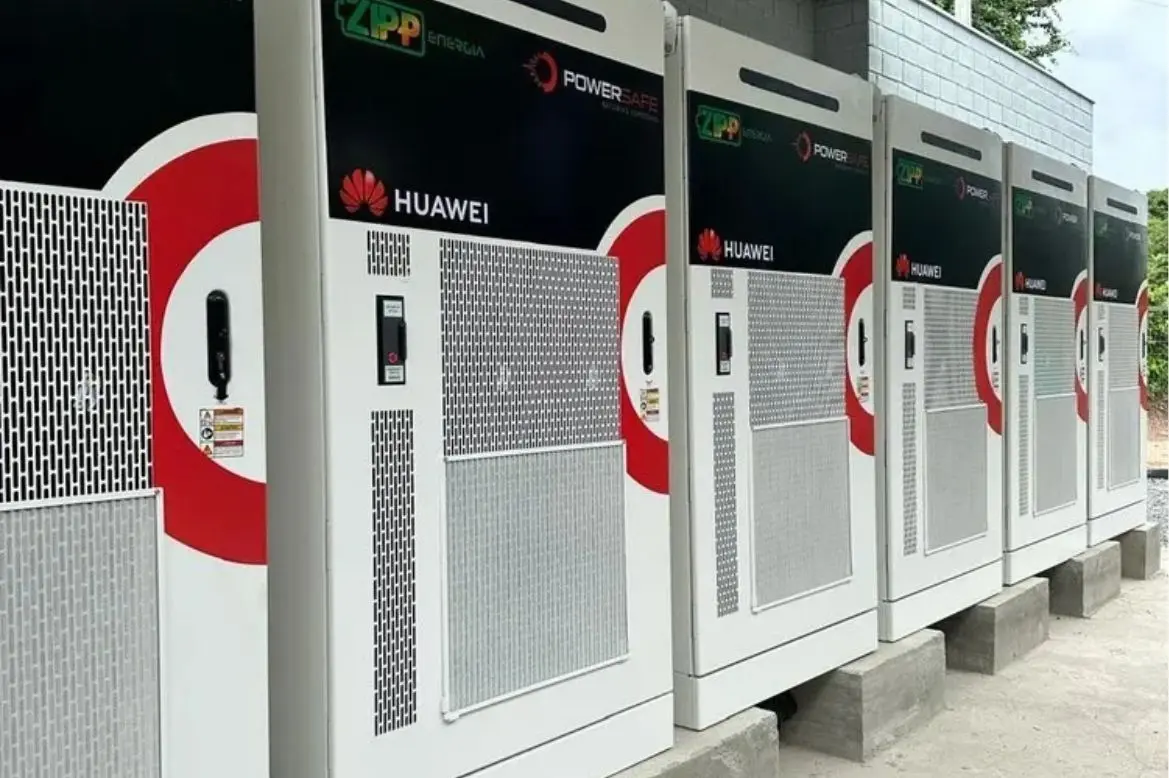
In the event of a power outage, the backup system is automatically activated, eliminating the need for manual transfer to the diesel generator, which is maintained as a second layer of redundancy. The estimated autonomy is ten hours in a critical scenario and can reach 27 hours with the shutdown of non-essential loads. With sufficient solar generation, this period can be extended.
According to Renato Mondino, director of BESS C&I at Huawei, the project demonstrates that energy storage offers more than just backup power: "The combination of BESS, solar generation, and demand management allows us to increase the resilience of the operation while optimizing energy use."
The solution addresses an activity where electricity supports ventilation and environmental control, essential for poultry farming. Rivelli also anticipates investing approximately R$ 430 million to increase its slaughter capacity from 200 to 300 birds per day.
all the content of Canal Solar is protected by copyright law, and partial or total reproduction of this site in any medium is expressly prohibited. If you are interested in collaborating or reusing part of our material, please contact us by email: redacao@canalsolar.com.br.


Comments
Comments are moderated before publication.Comments should be respectful and contribute to a healthy debate. Offensive comments may be removed. The opinions expressed here are those of the authors and do not necessarily reflect the views of the author. Canal Solar.