

For many years, climate change was treated as a distant problem. Today, however, it is already part of the daily lives of most of the Brazilian population, according to a study conducted by the Aerah House Research Institute.
The survey indicates that 54% of Brazilians say they have been directly impacted by environmental or climatic events in recent years, while 82% believe that phenomena such as heat waves, floods, and droughts already affect the lives of the population in the country.
These figures gain even more relevance at a time when professionals in the electricity sector are closely monitoring the possibility of a new El Niño episode, a climatic phenomenon associated with rising global temperatures and capable of causing significant effects in Brazil, such as more severe droughts in some regions, increased rainfall in others, and a greater occurrence of extreme events.
More than revealing a growing concern about the climate, the data helps to explain a trend also observed in several international studies: the greater the perception of climate risks, the greater the public's support tends to be for investments in renewable energy and in adaptation and resilience solutions.
Perception of climate risks increases support for renewables.
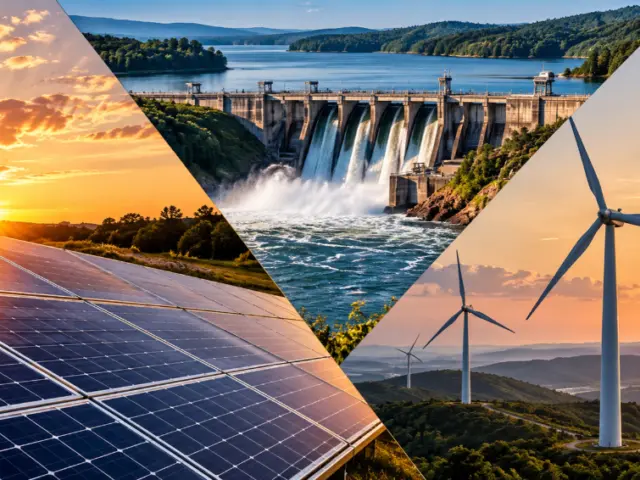
A body of international research suggests that the perception of risks associated with climate change is one of the main factors influencing public support for renewable energy.
One of the most cited studies on the subject, published in the journal International Journal of Disaster Risk Science and titled “Public Perceptions and Support of Renewable Energy in North America in the Context of Global Climate Change"It concluded that people who recognize or experience the impacts of climate change tend to be more supportive of the expansion of renewable energy sources, such as solar and wind power."
The same conclusion was reinforced by the study “Determining Feature Importance for Actionable Climate Change Mitigation Policies“, published in 2020, which identified the perception of climate risks as one of the most relevant factors in explaining public support for policies to mitigate climate change and encourage clean energy.
The trend was also observed by People's Climate Vote 2024This is considered the largest global climate survey ever conducted. The survey showed that 80% of the world's population wants governments to do more to address climate change, while 72% support a rapid transition from fossil fuels to clean energy sources.
Another survey, this time from Pew Research Center Studies show similar results. In the United States, about two-thirds of the population believe the country should prioritize investments in renewable energy, such as solar and wind power, over the expansion of fossil fuels.
For researchers, this data suggests that the climate crisis is no longer perceived solely as an environmental issue, but has become directly associated with energy security, cost of living, public health, and economic stability.
Clean sources as a protection tool
According to Fernanda Faria, founding partner of the Aerah House Research Institute, the Brazilian population's perception of climate change has changed significantly in recent years.
"Brazilians aren't just talking about something that might happen in the future. They're talking about floods, droughts, heat waves, and other events that are already affecting their daily lives," he explains.
The research conducted by the institute also identified that 72% of respondents believe that Brazil is not taking care of the environment as it should, indicating a growing expectation for concrete adaptation and mitigation actions.
"The research shows a population that already lives under financial, emotional, and social pressure. When the possibility of new extreme weather events arises, it tends to reinforce the perception of instability," emphasizes Fernanda.
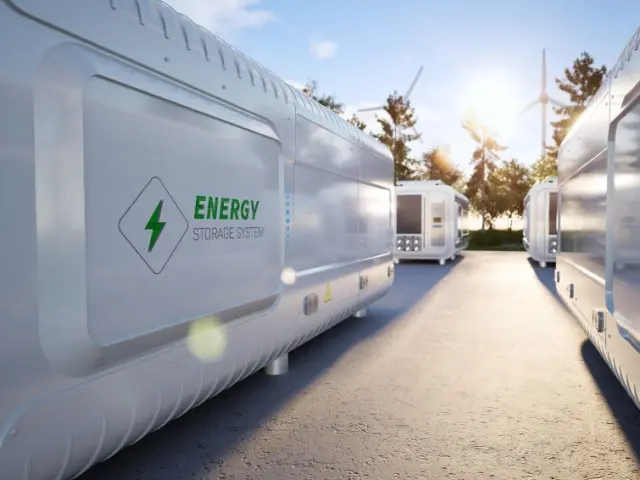
In this context, technologies linked to the energy transition, such as solar energy and storage systems, may gain even more relevance in the coming years. After all, as extreme weather events begin to directly affect people's lives, "the search for security, planning, and protection tends to increase," the researcher points out.
all the content of Canal Solar is protected by copyright law, and partial or total reproduction of this site in any medium is expressly prohibited. If you are interested in collaborating or reusing part of our material, please contact us by email: redacao@canalsolar.com.br.



Comments
Comments are moderated before publication.Comments should be respectful and contribute to a healthy debate. Offensive comments may be removed. The opinions expressed here are those of the authors and do not necessarily reflect the views of the author. Canal Solar.